




Among traditional Chinese festivals, the Qixi Festival shines as a celebration of romance and heritage. Falling on the 7th day of the 7th lunar month, it is also known as the “Qiqiao Festival” (Festival of Begging for Skills) or “Girls’ Festival,” and is often hailed as “Chinese Valentine’s Day” nowadays. Beyond its romantic undertones, Qixi embodies the ancient Chinese pursuit of diligence, wisdom, and a fulfilling life, serving as a perfect window for foreign tourists to delve into traditional Chinese Culture.
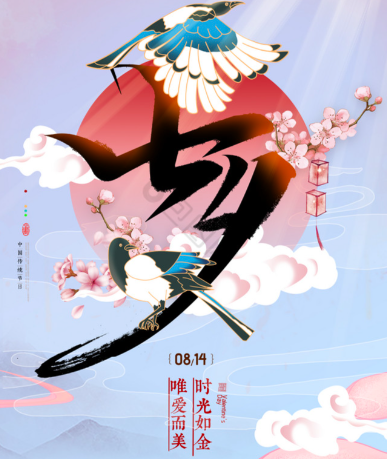
The festival traces its roots to the well-known legend of “Cowherd and Weaver Girl.” As the folklore goes, a mortal cowherd fell deeply in love with the Weaver Girl, a daughter of the Jade Emperor. They married and raised two children, but their union violated celestial regulations. The Queen Mother of the West split them apart with a river of stars—the Milky Way—allowing them to meet only once a year on the 7th day of the 7th lunar month, crossing the river via a bridge woven by magpies. This poignant yet heartwarming story has been passed down through millennia, becoming the core cultural symbol of Qixi. Consequently, Altair (the Cowherd Star) and Vega (the Weaver Girl Star) on either side of the Milky Way are regarded as emblems of steadfast love. In ancient times, people would gaze at the night sky on Qixi, spot these two stars, and pour out their heartfelt wishes and affections.
traditional Qixi customs revolve around “begging for skills” (Qiqiao) and “praying for blessings,” brimming with daily charm and ritualistic significance. Qiqiao stands as the centerpiece of the festival. Since the Weaver Girl was revered as the goddess of craftsmanship, ancient girls would place fruits, needles, and threads on an altar at dusk on Qixi, praying to her for dexterous hands to master weaving, Embroidery, and other crafts. There were various ways to practice Qiqiao, with the most iconic being “threading needles by moonlight”—girls competed to thread colored threads through needle eyes under the moon; those who finished the fastest and most accurately were believed to have won the Weaver Girl’s favor. Additionally, customs like “observing spiders for omens” and “testing skills with needles” added a playful touch to the pursuit of craftsmanship.

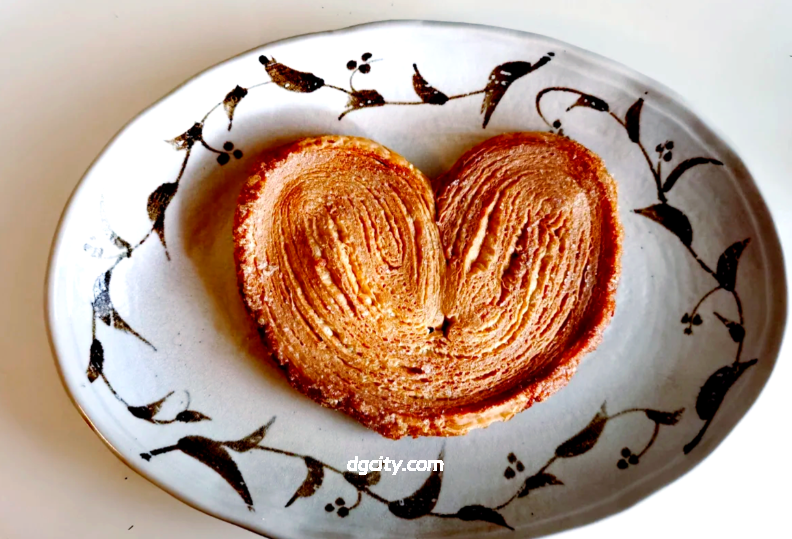
Beyond Qiqiao, Qixi also includes rituals such as worshipping the Weaver Girl, eating “Qiaoguo” (skill pastries), and drying books and clothes. Worshipping the Weaver Girl was primarily a female activity: groups of girls would set up altars together, praying for a happy marriage and peace. Qiaoguo, a special delicacy for Qixi, is made from flour, sugar, sesame, and other ingredients, featuring diverse shapes and a crispy taste, symbolizing “dexterity” and “a sweet life.” The custom of drying books and clothes originated from ancient people’s reverence for sunlight, which they believed could repel moisture and insects. It also subtly showcased one’s knowledge and family background, and though not widely practiced today, it is still preserved in some Ancient Towns.
As time progresses, Qixi celebrations have evolved, integrating traditional essence with modern elements. Today, young couples celebrate by exchanging flowers and gifts, and enjoying romantic dinners, perpetuating the festive romance. Many cities host Qixi-themed events, such as ancient-style markets, Hanfu parades, magpie bridge lantern shows, and traditional Qiqiao experience activities, enabling tourists to immerse themselves in the festival’s ambiance. For foreign visitors seeking an authentic Qixi experience, historical and cultural cities like Suzhou, Hangzhou, and Xi’an are ideal choices. Ancient Towns and gardens in these cities offer special activities—from wearing Hanfu and learning Embroidery to visiting lantern shows and tasting Qiaoguo—fully showcasing the charm of Qixi.
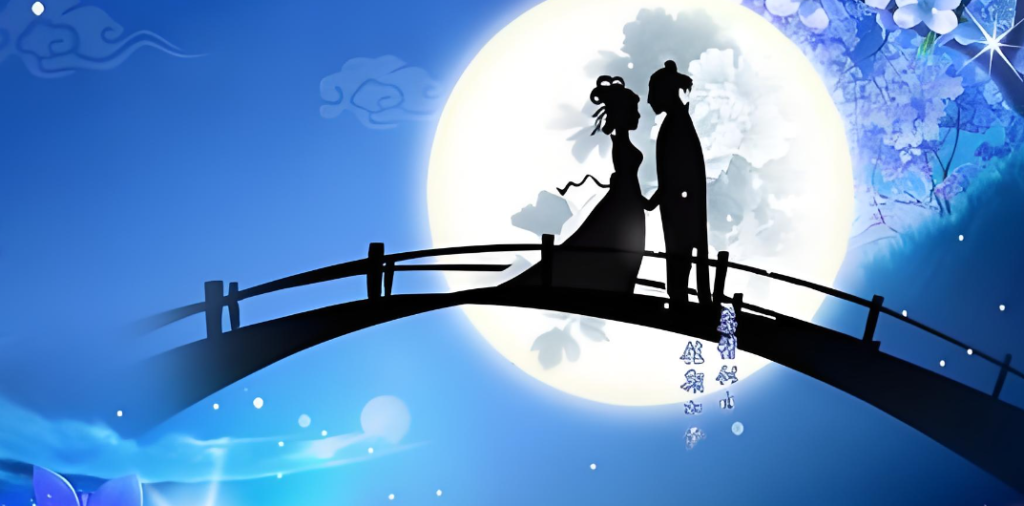
Notably, Qixi is more than a symbol of love; it carries traditional Chinese values of “fidelity,” “diligence,” and “wisdom.” Unlike Western Valentine’s Day, it emphasizes perseverance and responsibility in love, while highlighting women’s independence and wisdom. Visiting China during Qixi allows foreign tourists to not only feel the romantic atmosphere but also gain insight into Chinese people’s emotional concepts and cultural genes, adding a unique cultural dimension to their journey. Whether listening to legends under the moonlight in an Ancient City or participating in traditional activities at a market, Qixi lends a gentle yet profound touch to foreign travelers’ experiences in China.





暂无评论内容