




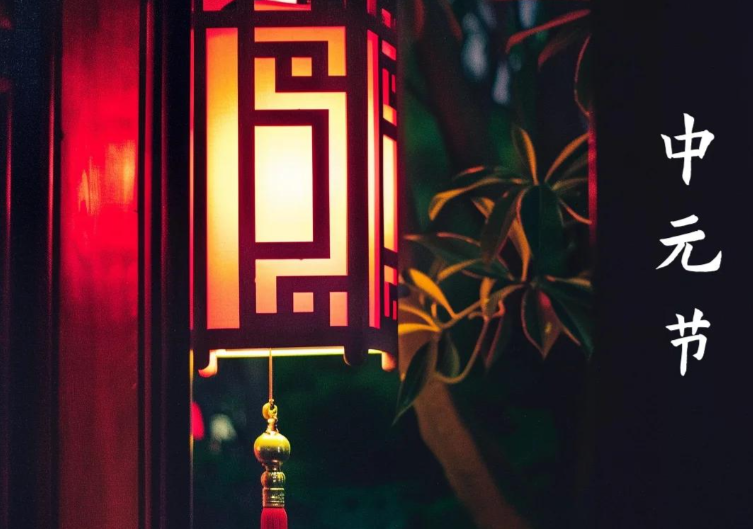
Among China’s numerous traditional festivals, the Zhongyuan Festival stands out as a vital carrier connecting life and death, and embodying filial piety. For foreign travelers, understanding this festival not only allows them to touch the deep veins of Chinese Culture but also feel the Chinese people’s reverence and cherishment for life and family ties. Celebrated on the 15th day of the 7th lunar month, the Zhongyuan Festival, also called “Ullambana Festival” or “Ghost Festival”, originated from a blend of Taoism, Buddhism, and folk beliefs. After thousands of years of inheritance, it has formed a ritualistic and humanistic custom system.
The cultural core of the Zhongyuan Festival stems from the dual aspirations of “honoring ancestors and practicing filial piety” and “redeeming the souls of the deceased”. In Taoism, the 7th lunar month is regarded as the month when the Earth Official pardons sins. On the birthday of the Earth Official, the 15th day of the month, the gates of hell are opened, allowing the souls of the deceased to return to the human world. Therefore, people offer sacrifices to their ancestors, pray for blessings, and redeem the souls of homeless ghosts to prevent them from disturbing the living.
Buddhism has the tradition of “Ullambana Festival”. According to legend, Moggallana, one of the Buddha’s disciples, saw his mother suffering in the hungry ghost realm and sought help from the Buddha. The Buddha instructed him to prepare a variety of foods on the 15th day of the 7th lunar month to offer to monks from all directions, and his mother would be saved through the merits of the monks. This allusion merged with Taoist Culture, gradually forming the core customs of ancestor worship and redeeming the lonely souls during the Zhongyuan Festival.
Among the people, the customs of the Zhongyuan Festival are diverse, with regional differences, but the core rituals always revolve around “respecting ancestors and praying for blessings”. One of the most representative customs is the ancestor-worshipping ceremony. Before the festival, every household cleans the courtyard and wipes the memorial tablets of ancestors. On the festival day, they prepare sacrifices such as wine, meat, fruits, and pastries, burn incense and paper money, and kowtow to pray, expressing longing and gratitude to their ancestors. In some regions, family dinners are held to reunite family members, share food, and continue the bond of family.
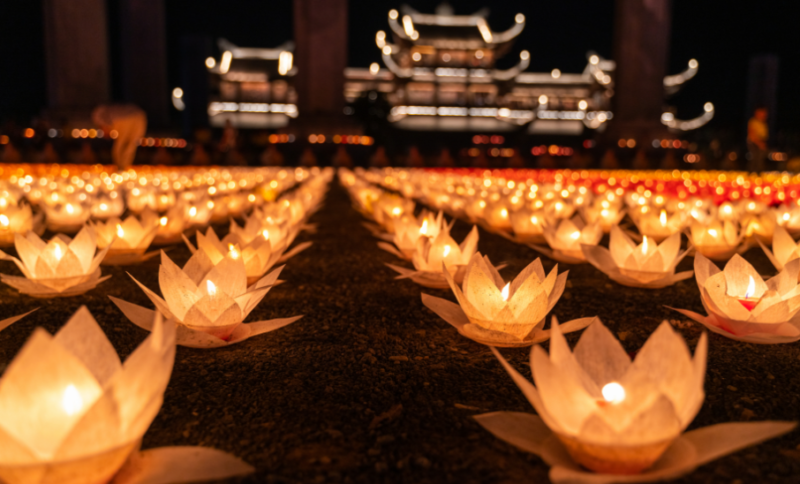
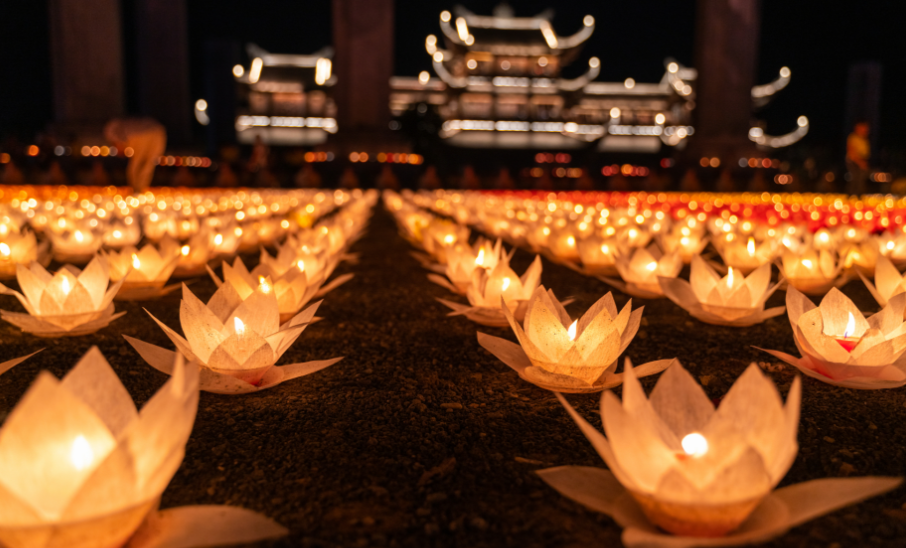
Floating river lanterns is a romantic and ritualistic activity during the Zhongyuan Festival, especially popular in water towns in the south of the Yangtze River and Coastal areas. River lanterns are mostly made of paper, in the shapes of lotus flowers, boats, etc., with candles or wicks placed at the bottom. After being lit, they are put into rivers or lakes. People believe that the light of the river lanterns can illuminate the path for the souls of the deceased to return to the underworld, and also convey their own wishes for peace and prosperity. Today, many regions hold large-scale river lantern floating activities, where thousands of river lanterns float on the water, with flickering lights creating a magnificent scene, becoming a characteristic attraction for tourists.
In addition, the Zhongyuan Festival also includes customs such as burning paper money, eating special foods, and holding folk performances. Burning paper money is to “send money” to ancestors; people burn paper products printed with gold and silver patterns, implying that ancestors will have no worries about food and clothing in the other world. For food, some regions eat dumplings, noodles, Ullambana cakes, etc., with different foods carrying different prayer meanings. In some rural areas, opera troupes are invited to perform and temple fairs are held, which are lively and serve both祈福 and entertainment purposes.
For foreign travelers, it is important to respect local customs and cultural taboos when participating in Zhongyuan Festival activities. Firstly, the ancestor-worshipping ceremony is a solemn family activity; non-relatives should avoid disturbing it at will. If encountering an ancestor-worshipping scene, you can watch from a distance, do not laugh loudly, or touch the sacrifices casually. Secondly, activities such as burning paper money and floating river lanterns must be carried out in designated areas, complying with local fire safety regulations, and do not set off or launch them without permission. In addition, some regions have folk taboos for the Zhongyuan Festival, such as avoiding walking alone late at night and not picking up sacrifices on the road. Although there is no scientific basis, respecting these customs can help you better integrate into the local atmosphere.
The Zhongyuan Festival is not merely a “Ghost Festival”; its essence is a festival carrying filial piety Culture and conveying humanistic care. It allows people to learn to be grateful while remembering their ancestors, and unite emotions in neighborhood gatherings. If foreign travelers visit China around the 15th day of the 7th lunar month, they may wish to enter local communities and water towns, personally experience the folk customs of the Zhongyuan Festival, and understand the profound connotation of “respecting the deceased and cherishing the memory of ancestors” in Chinese culture from the ancestor-worshipping ceremonies and the grand scene of river lanterns, gaining a unique cultural experience.


暂无评论内容