




Deep in Gaobeidian Cultural and Artistic New Street, Chaoyang District, Beijing, hides a national-level art palace integrating artistic creation, research and exhibitions——China Oil Painting Institute. Established in 2007, it is the first national-level professional oil painting institution since the founding of the People’s Republic of China. Affiliated to the Chinese National Academy of Arts, it adheres to the academic purpose of “respecting eternity and promoting classics”, undertakes the mission of inheriting and innovating Chinese oil painting art, and serves as an important bridge for Sino-foreign cultural exchanges. Different from the imperial grandeur of the Forbidden City and Temple of Heaven in Beijing, and the market fireworks of old hutongs, the China Oil Painting Institute perfectly integrates Western oil painting techniques with Eastern aesthetic connotation with its minimalist architectural aesthetics and pure artistic atmosphere. Known as “Little Morocco in Beijing”, it is both a pilgrimage site for art lovers and a hidden gem for foreign travelers to escape the hustle and bustle and feel the charm of Chinese contemporary art. Here, every ray of light and shadow hides the poetry of art, every oil painting tells an Eastern story. Wandering here, you can immersive experience the delicacy of oil paint, the elegance of architecture, and understand the past and present of Chinese oil painting.
To truly appreciate the charm of the China Oil Painting Institute, one must first understand its academic positioning and development context. Founded on September 26, 2007, the China Oil Painting Institute is honorarily presided over by Yang Feiyun, a famous contemporary oil painter, and Zhu Chunlin serves as the dean. It has gathered many well-known artists such as Jin Shangyi, Zhan Jianjun and Chen Danqing as academic consultants or distinguished painters, assembling the backbone of contemporary Chinese oil painting. Its academic core is “seeking the source and exploring the way”, which deeply studies the modeling language system of Western oil painting, draws on the classic artistic spirit of ancient Greece, ancient Rome and the Renaissance, and at the same time takes root in Chinese traditional Culture, explores the connotation of Eastern art and the realistic connotation of Chinese society. It is committed to creating oil painting works with Chinese characteristics and contemporary spirit, and promoting the professional development and international exchanges of Chinese oil painting. Over the past ten years since its establishment, through various academic exhibitions, training courses and art exchange activities, the China Oil Painting Institute has not only cultivated a large number of outstanding oil painting talents, but also brought Chinese oil painting to the world, allowing foreign artists and travelers to closely understand the artistic achievements of Chinese oil painting.
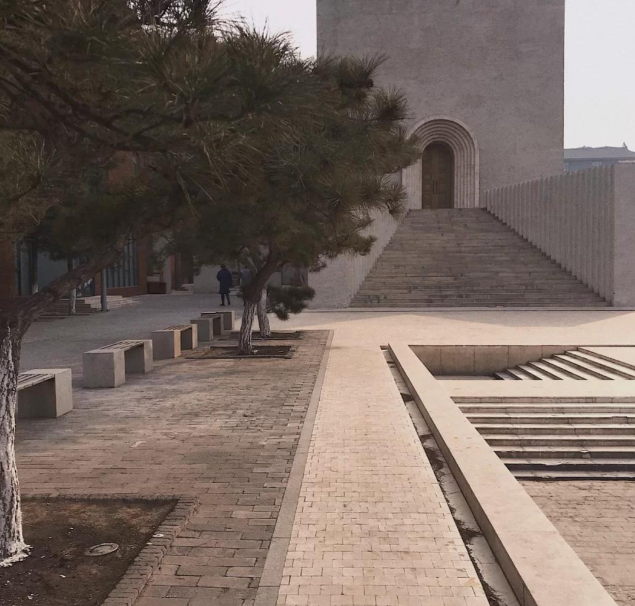
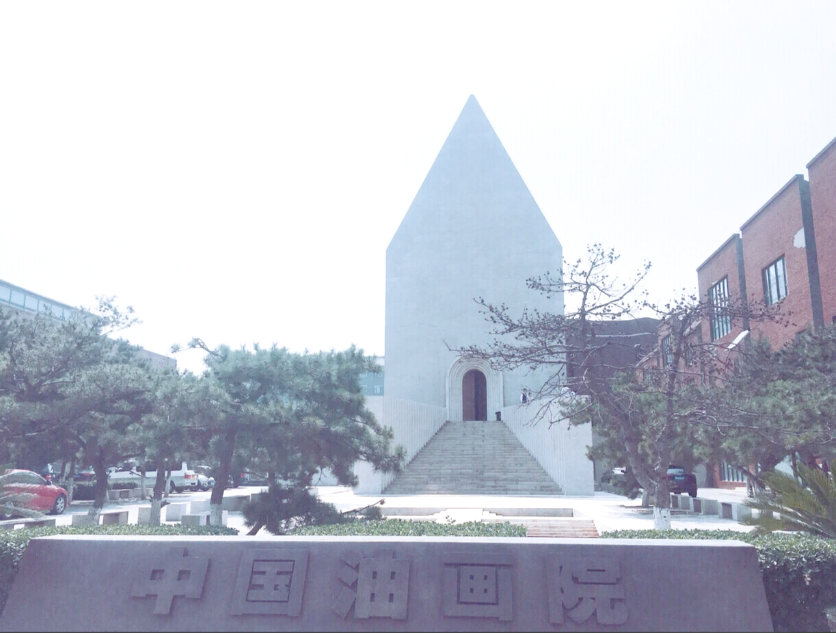
The core attraction of the China Oil Painting Institute lies in its unique architectural aesthetics and quiet artistic atmosphere. Covering an area of more than 40,000 square meters, the entire campus is transformed from old factories, integrating art galleries, exhibition halls, humanistic lecture halls and artists’ studios. The architectural style is simple and elegant, mainly minimalist, with retro red bricks and pure white walls, smooth lines and transparent light and shadow. Every design takes into account both artistry and practicality, like a three-dimensional oil painting. The iconic building of the campus is a milky white spire lecture hall, known as the “Internet-famous Church”, which is also a popular location for many wedding photos and artistic portraits. Even the famous model Liu Wen made a special trip here to take photos. This lecture hall adopts a minimalist style without redundant decorations. The slowly rising steps, triangular spire and pure white walls complement each other. The column-free height of the internal space is as high as 23 meters, and the arrangement of geometric lines is full of a sense of order. Looking up, you can feel a sacred solemnity. However, it is not open to the public when there are no daily activities, and advance reservation is required for visiting and shooting inside.
In addition to the iconic white spire lecture hall, the red brick building complex in the campus is also very distinctive, forming a sharp contrast with the white walls and creating a unique visual beauty. Most of the red brick buildings are art galleries and exhibition halls. The walls are built with uniform red bricks, and the rough texture hides delicate craftsmanship. Large-area glass windows make the indoor space more transparent. The sun shines on the red brick walls through the windows, with light and shadow crisscrossing, outlining flowing poetry, showing a retro and artistic atmosphere. The interior of the art gallery is simple and elegant, mainly in gray tones. The circular skylight introduces natural light, and the soft light sprinkles on the oil painting works, making each painting more vivid, avoiding the seriousness and alienation of traditional art galleries, and allowing foreign travelers to appreciate works of art in a comfortable atmosphere. The courtyard of the campus is small and elegant, planted with green pines and various green plants, with winding stone paths and occasional sculpture works placed. Wandering in it, you can feel quiet and comfortable, as if you are in a European art manor, but you can inadvertently feel the restraint and warmth of Eastern aesthetics. This atmosphere of integrating Chinese and Western Cultures fascinates every visitor.
As a national-level oil painting art institution, the China Oil Painting Institute has a very high level of exhibitions. It holds various academic exhibitions, famous artists’ exhibitions and thematic exhibitions all year round, which is the best window for foreign travelers to understand Chinese oil painting art. The exhibitions are mainly divided into two parts: permanent exhibitions and temporary exhibitions. The permanent exhibitions focus on displaying the classic works of full-time painters and distinguished painters of the China Oil Painting Institute, covering various styles such as classical realism and contemporary freehand brushwork. They not only inherit Western oil painting techniques, but also express Eastern aesthetics and Chinese reality. Among them, there are many masterpieces by famous artists such as Xu Beihong, Wu Guanzhong, Xie Dongming and Pang Maokun, which can be called a “living dictionary of Chinese oil painting history”. Temporary exhibitions focus on different artistic themes and creative groups, regularly inviting well-known domestic and foreign oil painters to participate in exhibitions, showing the latest development achievements of contemporary oil painting art. Sometimes, Sino-foreign oil painting exchange exhibitions are also held to promote the collision and integration of Eastern and Western art, allowing foreign travelers to see the dialogue between Chinese oil painting and international art trends here.
When visiting the exhibitions, foreign travelers can feel the diversity and unique charm of Chinese oil painting: some works are delicate and realistic, depicting the expressions of characters and the details of scenes vividly, showing superb painting skills; some works are free and easy in freehand brushwork, expressing the artist’s emotions and thoughts with simple strokes and rich colors, conveying the artistic conception of Eastern aesthetics; others focus on China’s historical Culture, folk customs and contemporary social life, showing China’s development and changes through oil painting, allowing foreign travelers to understand China’s culture and society more deeply through art. It should be noted that photography is prohibited in most exhibitions in the campus, and photography is allowed in some exhibitions but flash is prohibited. Foreign travelers please pay attention to the signs in the exhibition halls and respect the artists’ copyright and the needs of work protection; at the same time, please keep quiet when visiting, avoid loud noises, and jointly maintain a good artistic atmosphere.
In addition to appreciating the architecture and exhibitions, the China Oil Painting Institute has many details and supporting facilities worth experiencing, making foreign travelers’ visits more rich and comfortable. There are two very artistic cafes in the campus, one is located under the white lecture hall, and the other is opposite the lecture hall. The decoration style is simple and retro, with old table lamps, art albums and various ornaments placed. Each item hides a unique artistic story. The drinks in the store are named after artists, such as “Monet’s Rouge Red” and “Van Gogh’s Sky”, which are both beautiful and delicious. When you are tired from walking, you can rest here, order a cup of coffee, flip through an art album, and feel the perfect integration of art and life. There is also a jazz band performance every Saturday night, which is full of atmosphere. In addition, there is a small art bookstore and a cultural and creative store in the campus, selling oil painting albums, art postcards, cultural and creative ornaments and other products. Foreign travelers can buy characteristic souvenirs here to take away the artistic memories of the China Oil Painting Institute, and also learn more about the history and development of Chinese oil painting art through books.
For foreign travelers, it is very convenient to get to the China Oil Painting Institute. Although it is located in the eastern part of Chaoyang District, far from the hustle and bustle of the city center, public transportation and self-driving are very convenient. Foreign travelers can take the Batong Line to “Gaobeidian Station”, exit from Exit A, and walk about 10 minutes to reach the campus entrance; they can also take Metro Line 1 to “Sihui Station”, Exit A Southeast or Line 7 to “Baiziwan Station”, Exit B Northeast, and take a taxi for about 10 minutes; in addition, they can take bus No. 35 or 167 to “Gaobeidian East” Station or “Cultural New Street North” Station, and walk for a short time to reach. For travelers driving by themselves, there is a Parking lot in the campus, but the number of parking spaces is relatively small, so it is recommended to avoid the weekend peak hours.
The China Oil Painting Institute is open to the public free of charge all year round, no ticket is required, but you need to carry valid ID (passport is applicable) to register at the doorman at the door. Electronic ID or photos are not available, so foreign travelers must carry their original passports with them. The opening hours are 9:00-17:00 every Tuesday to Sunday, closed all day on Mondays (except legal holidays). The opening hours may be adjusted in winter. It is recommended that foreign travelers confirm in advance through the official Weibo or phone (010-87739533) of the China Oil Painting Institute to avoid running empty. The recommended visiting time is 2-3 hours. If you want to deeply appreciate the exhibitions and feel the campus atmosphere, you can reserve half a day; the best visiting time is spring and autumn, when the weather is comfortable and the light and shadow are soft, very suitable for taking photos and visiting exhibitions; in summer, it is recommended to avoid the high temperature period at noon; in winter, you can appreciate the architectural beauty covered by white snow, which has a unique charm, and the indoor exhibition area is well heated, which can temporarily keep out the cold.
When visiting the China Oil Painting Institute, there are some practical tips for foreign travelers to pay attention to: first, it is recommended to wear comfortable shoes, as the campus needs to be visited on foot, and comfortable shoes can make the visit more relaxed; second, it is recommended to wear solid-color clothes (such as white, black, red), which match the white walls and red bricks of the campus, making photos more outstanding; third, there is no convenience store in the campus, only cafes provide drinks, so it is recommended that foreign travelers carry a bottle of drinking water in advance; fourth, the white spire lecture hall is often rented by wedding photography teams, so you may need to queue up or give way to each other. Avoiding the peak shooting period (10:00 am to 2:00 pm on weekends) can get a better visiting experience; fifth, Beijing is dry and cold in winter, so you need to prepare down jackets, hats, gloves and other warm clothes. It gets dark early in winter (sunset at about 17:00), so it is recommended to arrange the visiting time reasonably and pay attention to the temperature difference between indoor and outdoor, adding or removing clothes in time.
There are many characteristic scenic spots and delicacies around the China Oil Painting Institute, which are very suitable for foreign travelers to visit in combination to create a fulfilling art trip. About 10 minutes’ walk from the campus is Gaobeidian Cultural and Artistic New Street, a well-known cultural and artistic block in Beijing. It has an 1800-meter-long “Classical Furniture Street”, as well as small thematic Museums such as Huasheng Tianqiao Folk Culture Park, Imperial Examination Plaque Museum and Stove Museum. Foreign travelers can feel the folk customs and traditional culture of old Beijing here, experience Tianqiao stunts, and understand the charm of Chinese classical furniture and folk cultural relics. The recommended visiting time is half a day. About 15 minutes by taxi from the campus, you can reach the 798 Art District, which is completely different from the classical realistic style of the China Oil Painting Institute. Focusing on contemporary art and avant-garde art, it is full of art galleries, design studios, cultural and creative stores and characteristic exhibition halls. Various street graffiti and installation art can be seen everywhere. It is a popular place to feel Chinese contemporary avant-garde art, suitable for foreign travelers who like niche art and pursue personalized check-in. In addition, there is also the Red Sandalwood Museum nearby, which displays a large number of red sandalwood carving artworks with exquisite craftsmanship, showing the charm of Chinese traditional wood carving art. It is about 20 minutes’ walk from the campus.
In terms of food, the surrounding area of the China Oil Painting Institute gathers Chinese characteristic restaurants and simple light food restaurants, taking into account both taste and atmosphere, to meet the different needs of foreign travelers. The “Oil Painting Institute Canteen” not far from the campus gate is the first choice for many art lovers and travelers. Decorated in a simple and artistic style, it mainly serves home-cooked dishes and northern characteristic snacks, with affordable prices and sufficient portions. Foreign travelers can taste classic Chinese dishes such as Kung Pao Chicken, Scrambled Eggs with Tomatoes and Zhajiang Noodles here, and feel the authentic flavor of Chinese family. The per capita consumption is only 30-50 yuan. “Zhuyi Coffee & Brunch”, about 5 minutes’ walk from the campus, perfectly fits the artistic atmosphere of the campus. In addition to various coffee drinks, it also provides light food such as pasta, salad and sandwiches with fresh ingredients and delicate taste, suitable for resting and dining when tired from walking. Sitting by the window, you can also enjoy the distant red brick building complex, which is full of atmosphere. In addition, there are many characteristic restaurants in Gaobeidian Cultural and Artistic New Street, including hot pot restaurants focusing on old Beijing copper pot shabu-shabu and creative restaurants integrating Chinese and Western flavors. Foreign travelers can choose according to their own tastes, and taste a variety of delicacies while feeling the artistic charm.
The China Oil Painting Institute is an artistic secret place with oil paint as the medium and architecture as the rhyme. It has no noisy crowds or commercial impetuosity, only a pure artistic atmosphere and a quiet aesthetic mood. Here, foreign travelers can not only appreciate the classic works of Chinese oil painting, feel the collision and integration of Eastern and Western art; but also wander between the minimalist style buildings, capturing the poetry of light and shadow flow; they can also connect the journey of art and folk customs in the surrounding blocks and exhibition halls, and comprehensively feel the artistic atmosphere and cultural heritage of Beijing. For foreign travelers who love art and are eager to deeply understand Chinese contemporary culture, this place is not only a check-in spot, but also a dialogue between the soul and art. Wandering here, every oil painting hides Eastern feelings, every building reveals artistic ingenuity, and every bite of food carries the warmth of the market, allowing every foreign traveler to find their own artistic resonance here and leave an unforgettable Beijing travel memory full of poetry and fireworks.


暂无评论内容