




In the core hinterland of Dongcheng District, Beijing, at No. 77 Back Street of the Art Museum, an industrial relic hidden deep in the hutongs is telling the past and future of the city with a new look — this is Beijing 77 Cultural and Creative Park. Different from the crowded popular scenic spots, this cultural and creative park, which is completely renovated from the former Beijing Offset Printing Factory, has both the tough texture of the old industrial era and the soft temperature of contemporary art. It is an excellent window for foreign tourists to understand the urban temperament of “coexistence of old and new” in Beijing, and also a niche secret place to escape the hustle and bustle and encounter literature and art.
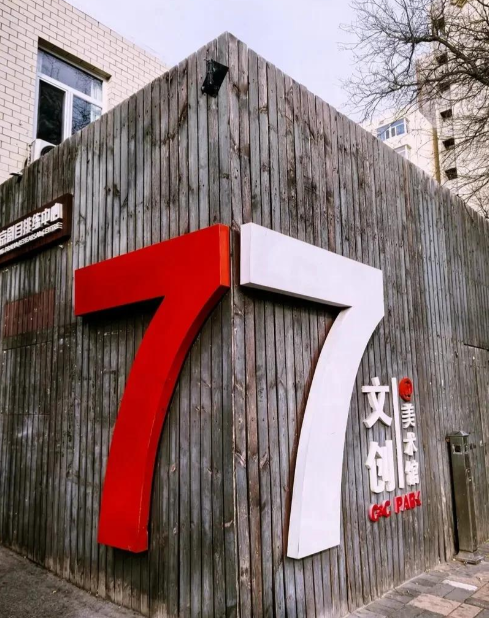
The story of 77 Cultural and Creative Park began with the Beijing Offset Printing Factory founded in the 1950s. This old factory, which once carried the city’s printing memories, covers an area of 6,600 square meters and a construction area of 13,000 square meters. It is one of the earliest cultural and creative Parks in Dongcheng District and a key park enjoying cultural industry subsidies from Dongcheng District. After the offset printing factory moved in 2012, the design team did not demolish and rebuild the old factory on a large scale, but carried out innovative transformation on the basis of preserving the style of the industrial site. Finally, this silent old factory was reborn and became a high-end thematic cultural and creative park with drama and film and television as its core formats. Its transformation design also won the first place in the Gold Award of the “2016 Architectural Creation Award” awarded by the Architectural Society of China.
Walking into the park, the first thing that catches the eye is the highly recognizable red brick wall. The wall, which has faded its paint decoration, reveals the texture precipitated by years, matched with bright and modern large glass windows, making the perfect collision between industrial style and modern aesthetics. The colorful “big chimney” in the center of the park is particularly eye-catching. It is not a simple decoration, but a temperature broadcaster. The display screen at the top will broadcast the weather in real time, becoming one of the most representative check-in spots in the park. In addition, the original German gilding and die-cutting machine preserved in the park once made giant stamp folders for the Beijing Summit of the Forum on China-Africa Cooperation. Now it stands quietly, telling the glorious past of the old factory; the criss-cross steel stairs and aerial corridors connect the scattered buildings, which are not only functional passages, but also excellent positions for internet-famous photos. When the sun shines through the steel frame, the sense of atmosphere is full between the light and shadow.
As a cultural and creative park with drama, film and television as its core, the literary and artistic atmosphere of 77 Cultural and Creative Park permeates every corner. The 77 Theater in the park is the core art space. This small theater, renovated from a machine repair workshop, adopts an industrial warehouse-style architectural structure. The thick wall on the east side can be lifted up, turning the theater into an open-air stage, and the yard becomes a natural auditorium with a strong sense of immersion. Various plays such as experimental dramas, talk shows and children’s plays are performed here all year round. Popular plays such as Mahua FunAge’s “Dance Club”, “Witch Plan” and Director Li Jianjun’s “Pinocchio’s Decision” have been performed here. Foreign tourists can pay attention to the “77 Cultural and Creative” WeChat official account in advance to check the program list and buy tickets to feel the unique charm of contemporary Chinese drama. In addition, the Beijing Rehearsal Center for Dramas in the park has 19 rehearsal halls of different sizes, and more than 500 plays are rehearsed here every year, accounting for more than 90% of the plays performed in various theaters in Beijing. If you are lucky, you can also meet the actors who are rehearsing and feel the process of artistic creation up close.
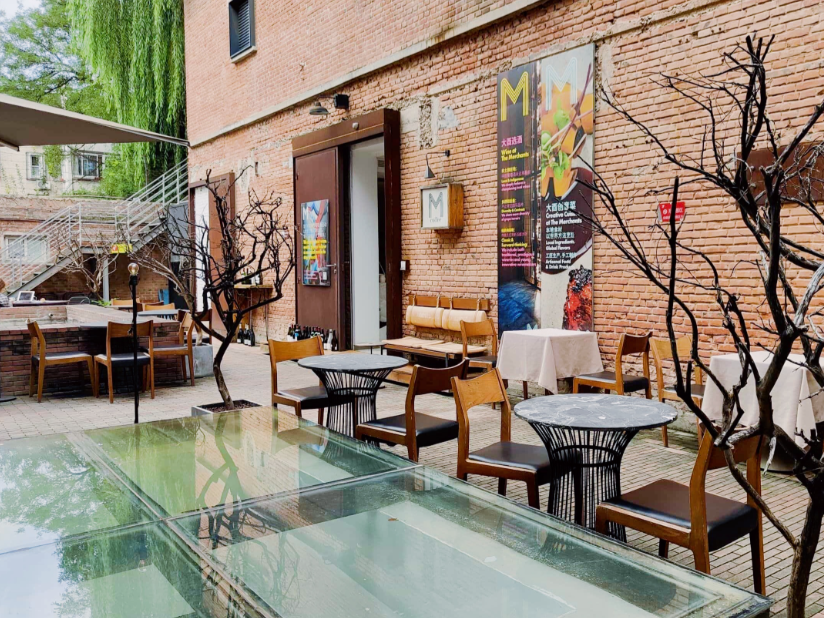
In addition to drama experiences, the park also has a variety of art exhibitions and internet-famous stores to meet the diverse needs of tourists. E6 Space Exhibition Hall and Wuyong Space regularly hold activities such as contemporary art exhibitions and Folk Arts and crafts exhibitions. Among them, the public welfare folk art exhibition in Wuyong Space is very distinctive. It has exhibited more than 400 pairs of shoes and more than 50 hand-made clothes from the late Qing Dynasty to the present. Each exhibit has a touching story behind it, allowing foreign tourists to feel the charm of traditional Chinese arts and crafts. The internet-famous cafes in the park are also not to be missed. Wuyong Zhenwei Café at the entrance is not big but has three floors. The first floor sells coffee and cultural and creative peripherals, and the large terrace on the third floor can overlook the whole park; Dayou · M Coffee in the depths perfectly integrates industrial style with literary and artistic atmosphere, retaining the old factory’s machine tools as dining tables, and every random shot is an industrial-style blockbuster. Famous people such as Jia Zhangke have also visited here, with a full sense of atmosphere.
The supporting facilities around the park are also very complete, with a unique geographical location. Surrounded by Liangguochang Hutong and Wusi Street, it is a 10-minute walk from the National Art Museum of China and the former site of Sino-French University, and a little farther is Longfu Temple. After visiting the cultural and creative park, foreign tourists can stroll in the hutongs, taste the internet-famous snacks in Longfu Temple, check in the art exhibitions in the National Art Museum of China, and feel the market fireworks and cultural heritage of old Beijing. The park is open free of charge, no tickets are required, only theater performances and some special exhibitions need to be paid. It is open 24 hours a day, but the business hours of theaters and stores are different. It is recommended that tourists arrange their itinerary reasonably. The best visiting time is 15:00-17:00, when the light is the best, suitable for taking photos.
In terms of transportation, foreign tourists can take Metro Line 6 or Line 8 to Nanluoguxiang Station, Exit F, and walk for 12 minutes to reach it; they can also take Bus No. 58 to Meishuguan East Station, which is very convenient to travel. Here, there is no noisy crowd, only the collision between industrial memories and contemporary art, and the integration of tradition and modernity. Foreign tourists can slow down, wander between the red brick factories, watch a drama, visit an exhibition, taste a cup of coffee, feel the charm of Beijing in the details, and leave a unique memory of the cultural and creative journey.

暂无评论内容