




Hidden in Jing’an Sculpture Park, Shanghai, the Shanghai Natural History Museum (Branch of Shanghai Science and Technology Museum) takes “Nature · Human · Harmony” as its core theme, creating a palace of natural mysteries integrating popular science, exhibitions, interaction and research. As one of the largest and most richly collected natural history museums in China, it gathers more than 11,000 specimens and models from seven continents, covering paleontology, plants, animals, geology and other fields. From ancient dinosaur fossils to modern rare flora and fauna, from deep-sea wonders to polar landscapes, it fully presents the 4.6-billion-year evolution history of the Earth and the diversity of all things in nature. For foreign tourists, this is not only a popular science education base, but also an immersive natural adventure. Without traveling far, you can travel through time and space, talk with ancient creatures, feel the magic and grandeur of nature, and understand the profound connotation of harmonious coexistence between humans and nature through interesting interactions.
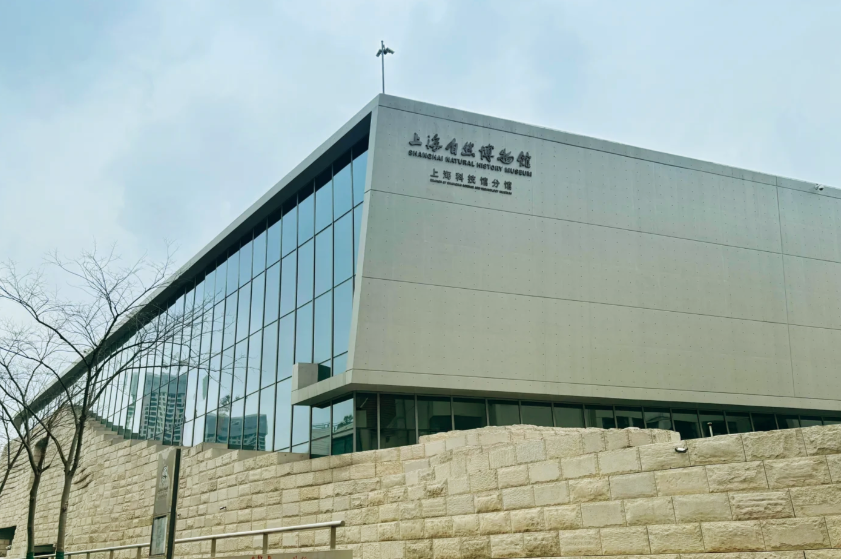
The architectural design of the Shanghai Natural History Museum is full of modernity and ecological aesthetics. The overall shape is like a “seed of nature” with smooth and rounded lines, perfectly integrating with the green landscape of the surrounding Jing’an Sculpture Park. It not only highlights the design concept of “harmonious coexistence between humans and nature”, but also becomes a unique ecological landmark in Shanghai. The museum is in a superior location with convenient transportation, close to Subway and bus stations, making it easy for foreign tourists to reach. The venue is equipped with comprehensive foreign language services to solve the worries of foreign tourists: multilingual audio guides (supporting more than 10 languages such as English, French, German and Japanese) can be rented at the entrance, free Chinese and English guidebooks are provided, core exhibition halls are equipped with bilingual commentators, some exhibits are marked with multilingual descriptions, and the official APP also supports real-time intelligent foreign language navigation. This ensures that foreign tourists can clearly understand the background and story of each specimen and immersive experience the charm of natural popular science.
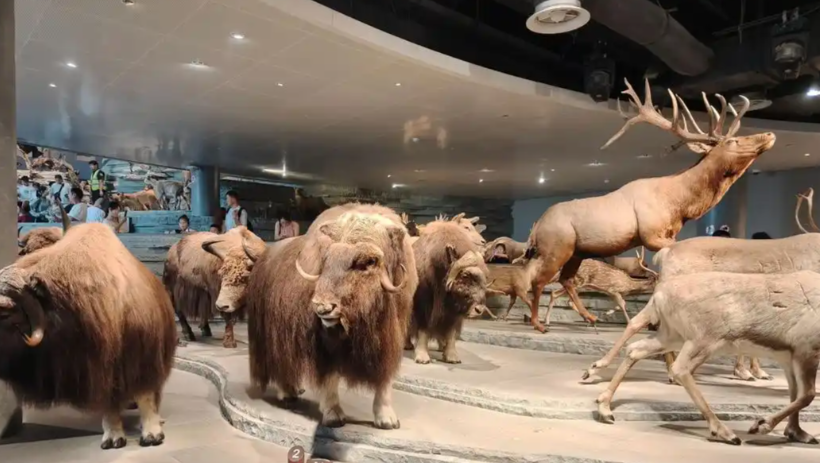
Different from traditional Museums, the Shanghai Natural History Museum adopts a “dynamic and static combination, shocking and realistic” display method, breaking the limitation of “only looking, not touching”. It has more than 10 permanent exhibition halls such as Mystery of Origin, River of Life, Path of Evolution and Road to the Future. Each exhibition hall has its own unique theme and highlights. Among them, River of Life, Paleontological Fossil Hall, Colorful Life Hall and Polar Exploration Hall are most popular with foreign tourists and should not be missed. The River of Life Hall is the core exhibition area of the museum. It gathers more than 200 animal and plant specimens and models from different regions and periods, restoring a variety of ecological scenes from ancient times to the present. You can see the hanging blue whale model above your head, and prehistoric giant beast specimens such as mammoths and Argentinosaurus beside you, as if you are in a real natural world. Wandering here, you can not only see the sharp fangs of saber-toothed tigers and the long necks of giraffes, but also observe the subtle forms of various birds and insects, and fully feel the richness and magic of life on Earth.
The Paleontological Fossil Hall can be called an “ancient adventure resort”. It collects a large number of precious paleontological fossils, among which the most representative are Mamenchisaurus fossils, Tyrannosaurus rex fossils and trilobite fossils. The Mamenchisaurus fossil is one of the longest dinosaur fossils found in China, with a length of up to 22 meters and a height of nearly 7 meters. It has a complete skeleton and a realistic shape. Standing in front of it, you can intuitively feel the majestic momentum of ancient giant reptiles; the Tyrannosaurus rex fossil shows the dominance of the “king of dinosaurs”, with sharp teeth and strong limbs, restoring its prestige as a top predator; the trilobite fossil is a microcosm of ancient marine organisms, with a large number and complete categories, witnessing the evolution of early life on Earth. The exhibition hall is also equipped with multimedia interactive equipment. Foreign tourists can understand the living habits and evolution process of dinosaurs through touch screens, and even simulate the calls of dinosaurs, immersive experience the ecological environment of ancient times.
The Colorful Life Hall focuses on the diversity of modern animals and plants, displaying animal and plant specimens in different ecological environments according to regions, from exotic flowers and plants in tropical rainforests, large mammals in African grasslands, to penguins and polar bears in polar regions, and rare fish in the deep sea. The specimens here are exquisitely made and lifelike, as if they will come to life in the next second: the parrots in the tropical rainforest exhibition area have bright feathers, and the monkeys hang on the branches lifelike; the lions, elephants and giraffes in the African grassland exhibition area are scattered, restoring the lively scene of the grassland; the polar bears in the polar exhibition area have fluffy hair, and the penguins stand in a line, showing the cuteness of polar creatures. The exhibition hall also has a “living touch area”. Under the guidance of staff, foreign tourists can touch small marine organisms such as starfish and hermit crabs, feel the magic of nature up close, which is especially suitable for family tourists with children.
The Polar Exploration Hall reproduces the polar landscapes of Antarctica and the Arctic through scene restoration and multimedia display, showing the specimens and living habits of polar animals. There are cute emperor penguin specimens, majestic polar bear specimens, as well as scene restorations of polar glaciers and auroras, allowing foreign tourists to feel the purity and grandeur of the polar regions without going there. The multimedia screen in the exhibition hall plays polar ecological documentaries in a loop, introducing the characteristics of the polar environment, the living conditions of polar animals, and the impact of global warming on the polar ecology, guiding foreign tourists to pay attention to environmental protection and establish the concept of harmonious coexistence between humans and nature.
In addition to the rich permanent exhibition halls, the special activities and temporary exhibitions of the Shanghai Natural History Museum are even more exciting, bringing more fresh visiting experiences to foreign tourists. Among them, the most distinctive is the recently launched “Sleep with Dinosaurs” sleepover activity, which is a new “technology + cultural tourism” experience, unlocking a new scene of urban popular science “night Economy”. Tourists participating in the sleepover activity can become “animal kingdom explorers” at night, listen to popular science lectures, watch the popular science film “Legend of Feathered Dragons”, the immersive drama “River of Life” and “African Show”. After completing a series of adventure tasks, they can set up camping tents at the preset locations in the museum and “sleep with” fossils and specimens of prehistoric animals such as mammoths, Argentinosaurus and saber-toothed tigers. The museum provides tents, air mattresses, plush blankets and other equipment, and the staff are on duty throughout the night to adjust the venue temperature and patrol regularly to ensure the safety and comfort of tourists. There will also be a radio “wake-up call” early the next morning, allowing tourists to start a new day in the embrace of nature.
In addition, the museum regularly holds multilingual popular science lectures, specimen making experiences, natural handicraft workshops and other activities. Foreign tourists can participate in these activities to deeply understand natural popular science knowledge, learn specimen making skills, make natural-themed handicrafts by hand, and leave unique visiting memories. Temporary exhibitions have rich and diverse themes, including special exhibitions of paleontological fossils, rare flora and fauna exhibitions, and environmental protection theme exhibitions, combining the latest natural popular science achievements at home and abroad, allowing foreign tourists to timely understand the latest trends in natural evolution and environmental protection.
In terms of catering and supporting services, the Shanghai Natural History Museum has also fully considered the needs of foreign tourists and provided them with convenient and comfortable services. There are several restaurants and food stalls in the museum, covering various flavors such as Chinese, American and Japanese, providing various foods such as hamburgers, French fries, rice and noodles, suitable for different budgets. The restaurants have English menus, and the staff can provide simple English services, making it convenient for foreign tourists to order. The museum is also equipped with rest areas, toilets, barrier-free facilities, as well as power bank and umbrella rental services to provide convenience for foreign tourists. The museum is surrounded by complete supporting facilities, adjacent to Jing’an Sculpture Park and Nanjing West Road Pedestrian Street. After the visit, foreign tourists can go to the surrounding areas for sightseeing, shopping and dining, and feel the urban charm and ecological heritage of Shanghai.
To make foreign tourists’ visits smoother and more pleasant, here are some practical visiting tips. In terms of transportation, the most convenient way is to take Metro Line 13 to Natural History Museum Station, exit from Exit 1, and walk for 5 minutes to reach it; you can also take a bus to Beijing West Road Chengdu North Road Station or Shimen Second Road Beijing West Road Station and walk to reach it. In terms of tickets, the adult ticket is about 30 yuan per person, and the children’s and elderly’s tickets are about 15 yuan per person. The sleepover activity needs to be booked separately, and the price is calculated separately. Tickets can be booked in advance on the official website, official applet or third-party platforms. Foreign tourists need to carry valid documents such as passports when purchasing tickets, and verify their admission with tickets and valid documents when entering the park.
In terms of visiting time, the museum is open from 9:00 to 17:00 every Tuesday to Sunday (admission stops at 16:00), and closed every Monday (except legal holidays). The sleepover activity is usually held on weekends, and the specific time can be referred to the official notice. It is recommended that foreign tourists plan their visiting time in advance and reserve 3-4 hours for the visit to fully visit each exhibition hall and participate in interactive activities; if participating in the sleepover activity, they need to understand the activity process and precautions in advance, abide by the museum regulations, take good care of the exhibits and facilities, do not touch or damage the exhibits, and do not bring food into the venue to avoid odor diffusion or garbage accumulation.
Other notes: Please abide by the museum regulations during the visit, do not take photos with flash to avoid damaging the specimens; the living touch area can only be participated in under the guidance of staff, do not touch or catch animals at will; smoking is prohibited in the entire museum to keep the venue clean; if you have any questions, you can consult the service desk, where the staff can provide multilingual services to answer various questions of tourists. It is recommended that foreign tourists wear comfortable sports shoes because the venue is large and requires long walks; carry sunscreen, water cups and other items to replenish water and protect against the sun during the visit.
The Shanghai Natural History Museum is a popular science palace connecting the past and the present, linking nature and humanity. There are traces of ancient creatures, vitality of modern nature, fun of interactive experience, and thinking about environmental protection. For foreign tourists, this is not only a tourist attraction, but also a window to deeply understand the mysteries of nature and feel China’s popular science strength. Whether traveling alone, dating as a couple, or taking a family vacation or study trip, you can gain a lot here. When you come to Shanghai, take half a day or even a day to walk into the Shanghai Natural History Museum, travel through time and space, unlock the mysteries of all things in nature, and feel the beauty of harmonious coexistence between humans and nature in popular science and joy, leaving an unforgettable memory of a natural adventure.





暂无评论内容