




When you step foot on Shanghai’s land, the first thing you will feel is the city’s unique “Haipai vibe” — it has both the warmth and softness of a Jiangnan water town, and the fashion and modernity of a Western city; it has the earthly fireworks in the old alleys, and the cutting-edge trends under the skyscrapers. This characteristic of “inclusiveness and integration” is the core of Haipai Culture and the most charming part of Shanghai. As a foreign visitor, if you want to truly understand Shanghai, you must go deep into Haipai culture and feel the city’s centuries-old precipitation and contemporary vitality through architecture, streets, food and intangible cultural heritage.
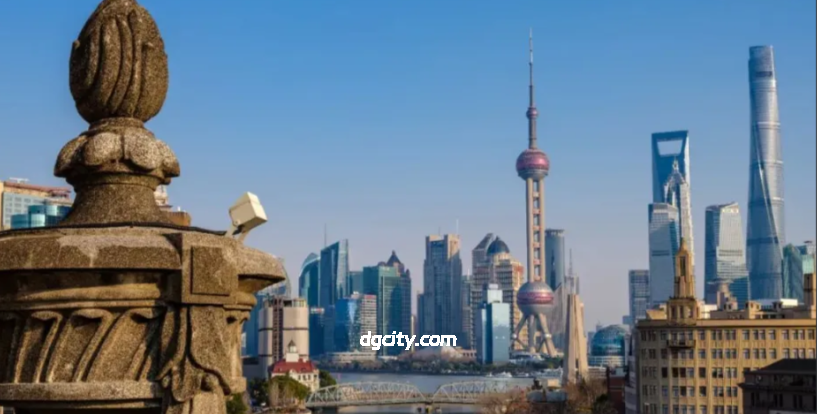
The birth of Haipai Culture is closely related to the history of Shanghai’s opening as a treaty port in modern times. In the mid-19th century, Shanghai became a trading port, and Western Culture, capital and talents poured in, colliding and integrating with the local Wuyue culture, gradually forming this unique cultural form. It does not stick to tradition nor blindly follow the West, but absorbs its essence and makes it its own. It has both the elegance and restraint of traditional Jiangnan culture and the openness and inclusiveness of Western modern culture. Just as Shanghai’s urban spirit says: “Inclusiveness, Pursuit of Excellence, Openness and Wisdom, Elegance and Modesty” — these eight words are the most vivid interpretation of Haipai culture.
To experience the architectural heritage of Haipai culture, the Bund and Shikumen alleys are must-visit check-in spots. Known as the “Gallery of International Architecture”, the Bund stretches along the Huangpu River, with dozens of Western-style buildings of different styles lined up in sequence. Gothic spires, Baroque reliefs, neoclassical colonnades, and Art Deco lines — each building has its own story, including the former sites of foreign banks and commercial firms, as well as today’s high-end hotels and financial institutions. Standing on the Bund, you can see Western-style buildings with a century of history on one side, and skyscrapers in Lujiazui on the other side across the river. The integration of ancient and modern, and the collision of Chinese and Western styles perfectly show the inclusive beauty of Haipai culture. Shikumen alleys, on the other hand, are a local innovation of Haipai architecture. They combine the blue bricks and black tiles of Jiangnan dwellings with the arches and balconies of Western architecture, forming a unique style of “integration of Chinese and Western”. Xintiandi and Tianzifang are great places to experience Shikumen culture. Walking into the narrow alleys, the bluestone-paved paths wind and turn, and the Shikumen buildings on both sides are scattered in an orderly manner. The carvings on the lintels and the potted plants on the windowsills all exude a strong earthly atmosphere. Here, you can see old Shanghainese sitting at the door fanning and chatting, or walk into literary cafes and cultural and creative stores to feel the perfect integration of tradition and modernity, as if traveling through a hundred years of time.
The earthly charm of Haipai culture is hidden in the daily life of old alleys and characteristic food. Shanghai’s alleys are not only places to live, but also carriers of Haipai urban culture. In the early morning, the cries of breakfast stalls come from the alleys, and the aroma of shengjian mantou (pan-fried steamed buns) fills the air; in the afternoon, the elderly play chess, cards and sunbathe in the alleys, and children chase and play, presenting a leisurely and comfortable scene; in the evening, cooking smoke curls up from every household, and neighbors greet each other — that simple neighborhood friendship is the warmest part of Haipai culture. As a foreign visitor, you can walk into ordinary alleys, have simple conversations with local residents, experience their daily life, and feel the most real Shanghai fireworks. Shanghai local cuisine is the embodiment of Haipai culture in diet. It integrates the freshness and tenderness of Jiangnan cuisine with the richness of Western cuisine, featuring “rich sauce and red color”, with a mellow taste and moderate saltiness. When you come to Shanghai, you must try the authentic local cuisine: braised pork in brown sauce is fat but not greasy, melts in your mouth, and the sauce is rich and sweet; xiangyou shanhu (eel paste with hot sesame oil) is fresh and smooth, and pouring hot sesame oil on it gives off a strong aroma; youbao xia (fried shrimp) has a crispy shell and tender inside, with a moderate sweet and salty taste. In addition to local cuisine, characteristic snacks such as Nanxiang xiaolongbao (steamed dumplings), shengjian mantou, pork ribs with rice cakes, and yanduxian (bamboo shoot and pork soup) are also not to be missed. Nanxiang Steamed Bun Shop in Yu Garden and street shengjian stalls can let you taste the most authentic Shanghai flavor and understand the inclusiveness and innovation of Haipai culture from your taste buds.
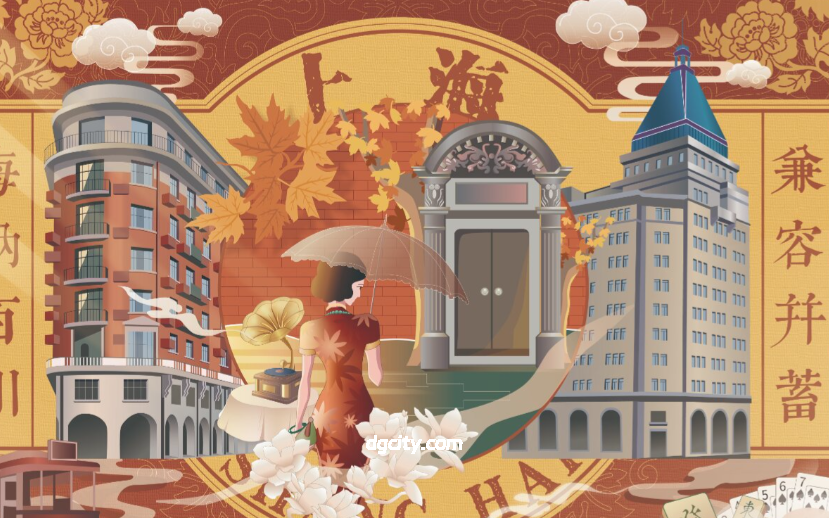
The elegance of Haipai culture is reflected in intangible cultural heritage skills and artistic atmosphere. Shanghai has many national and municipal intangible cultural heritage projects, and each skill carries the inheritance and innovation of Haipai culture. Shanghai paper-cutting is one of the representatives. It integrates the styles of northern and southern paper-cutting, with themes close to urban life and simple and bright shapes. It has both the elegance of traditional paper-cutting and the fashion of Haipai culture. Many paper-cut works also integrate Western elements, which are deeply loved by foreign tourists. Luogu Shu (gong and drum ballad singing) is a local traditional storytelling art in Shanghai, accompanied by gongs and drums. The lyrics are easy to understand and close to folk life, telling stories of old Shanghai. Although there may be some language barriers, you can still feel its unique charm through the actors’ body movements and emotional expressions. In addition, Haipai cheongsam is the essence of Haipai clothing culture. On the basis of traditional cheongsam, it integrates Western tailoring technology, making it more slim and fashionable. It not only retains the gentleness and softness of Oriental women, but also shows the independence and confidence of modern women. Today, Haipai cheongsam is not only a kind of clothing, but also a cultural symbol. You can see it on Shanghai’s streets, exhibitions and banquets.
In addition to these, Shanghai’s artistic atmosphere also highlights the charm of Haipai culture everywhere. China Art Museum collects a large number of Haipai art works, from traditional calligraphy and painting to modern art, from local works to international masterpieces, comprehensively showing the development course of Haipai art; Shanghai Museum houses a large number of national treasure-level cultural relics, such as bronzes, calligraphy and painting, ceramics, allowing you to understand the profoundness and breadth of ancient Chinese civilization while feeling Haipai culture. In addition, cultural events such as the Shanghai International Film Festival and Shanghai Book Fair have attracted artists and cultural lovers from all over the world, showing the international influence of Haipai culture.
As a foreign visitor, when traveling in Shanghai, you might as well slow down. Don’t just chase popular check-in spots, but walk into the buildings on the Bund, the streets of old alleys, the workshops of intangible cultural heritage, and characteristic restaurants to feel every detail of Haipai culture. Here, you will find that Shanghai is not only a modern international metropolis, but also a city with profound cultural heritage; Haipai culture is not only a regional culture, but also a spiritual symbol of inclusiveness, openness, innovation and progress. I believe this journey of exploring Haipai culture will let you have a deeper understanding of Shanghai and make you fall in love with this city that has both earthly fireworks and elegance, both tradition and modernity.

暂无评论内容