




As the evening breeze of the Bund carries the prosperity of the city, and the ancient walls of Yu Garden are engraved with the grace of the Jiangnan region, the melodious singing of Hu Opera flows slowly in the texture of this city. As the only national intangible cultural heritage opera genre native to Shanghai, Hu Opera originated from field ballads and folk songs on both sides of the Huangpu River. After hundreds of years of evolution, it developed from a two-person duet “duizi opera” into a mature opera, becoming a “sound business card” that engraves the urban customs of Shanghai and carries the cultural heritage of Jiangnan. Based on the soft Wu dialect, it integrates the grace of Jiangnan silk and bamboo music with the vitality of modern Shanghai. With straightforward and vivid lines and life-like plots, it boasts both the elegance of traditional opera and the warmth of urban Culture, serving as the best window for foreign visitors to understand Shanghai’s local Culture and feel the humanistic charm of Jiangnan.
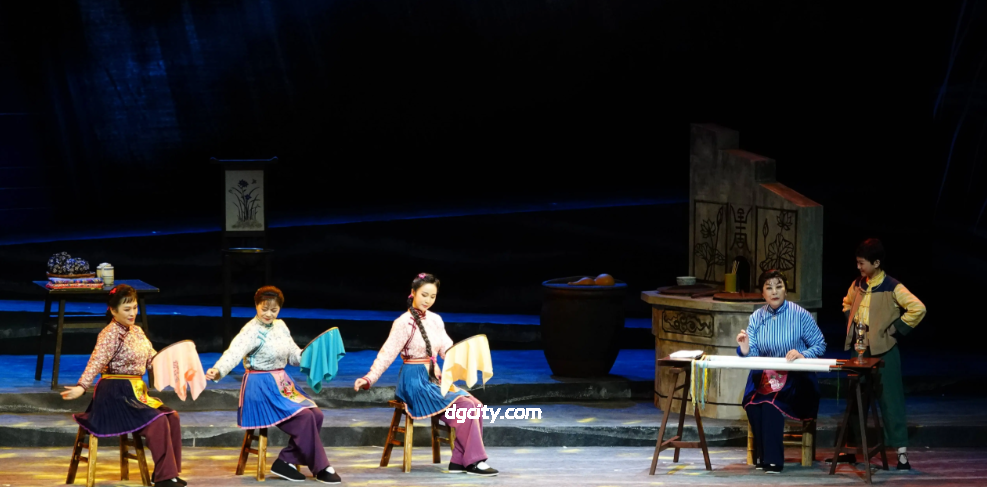
For foreign friends coming from afar, walking into a Hu Opera theater and listening to a piece of Hu Opera singing is not only a double enjoyment for the ears and eyes, but also an immersive cultural journey to feel Shanghai’s spirit of “embracing all rivers and being inclusive.”
To immerse yourself in the unique charm of Hu Opera, the first choice is the Shanghai Hu Opera House, which is the “palace-level” position of Hu Opera art and the core check-in place for tourists at home and abroad to appreciate the essence of Hu Opera. Located at 57 South Maoming Road, Huangpu District, the Shanghai Hu Opera House is adjacent to the Huaihai Road business district, with convenient transportation. The surrounding area combines the style of old Shanghai with modern urban vitality, making it very suitable for foreign visitors to visit on the way. The theater stages classic Hu Opera plays and new works all year round, including traditional classics such as “Meeting at the Nunnery” and “Pearl Tower,” which reproduce the folk customs and human feelings of Jiangnan, as well as adapted plays such as “Thunderstorm” and “Family,” which interpret classic literary stories in the form of Hu Opera. There are also new Hu Opera plays adapted to the times, integrating modern stage technology to bring new vitality to traditional art.
For foreign visitors, the most recommended are the classic performances with English subtitles. Every Saturday afternoon, a “Classic Hu Opera Excerpts Special” is regularly staged, selecting classic segments with compact plots and beautiful singing, accompanied by detailed English plot introduction booklets. Even if you don’t understand the Wu dialect, you can clearly understand the plot and feel the melodious charm of Hu Opera singing. The performance schedule of the Shanghai Hu Opera House balances professionalism and appreciation. Daily performances are mostly at 19:15 (evening session) and 14:00 (afternoon session), and the theater is closed every Monday for rest. Special performances will be added on legal holidays.
Foreign visitors can purchase tickets in advance through the official website of the Shanghai Hu Opera House, WeChat official account or third-party ticketing platforms. The ticket prices are divided into three grades: 80 yuan, 180 yuan and 280 yuan according to the performance and seat level, with high cost performance. There is an English information desk in the theater, where staff can provide thoughtful services such as play explanation and viewing precautions. You can also rent English audio guide headphones to deeply understand the cultural connotation behind each section of singing and each movement. In addition, the theater regularly holds “Hu Opera Open Day” activities (the last Sunday of each month). Foreign visitors can visit the Hu Opera Museum of the theater for free, view precious exhibits such as Hu Opera costumes, props and music scores, understand the development history of Hu Opera up close, and even have the opportunity to watch actors rehearse and communicate face-to-face with Hu Opera artists, feeling the vivid vitality of Hu Opera art.
If the Shanghai Hu Opera House is the “highland” of Hu Opera art, then the North Bund Sub-district Community Cultural Activity Center is a “friendly window” to feel the warmth of Hu Opera. This cultural venue, located at 99 Tongzhou Road, Hongkou District, officially opened in February 2026, with a total construction area of about 3,200 square meters. The “Starry Sky Theater” on the first floor often holds public welfare Hu Opera performances, which is an excellent place for local residents and foreign visitors to get close to Hu Opera. Different from professional theaters, the Hu Opera performances here are more down-to-earth, mostly co-performed by community Hu Opera teams and young actors from the Shanghai Hu Opera House. The plays are mainly classic excerpts and popular plays, with low ticket prices (mostly 30-50 yuan), and some public welfare performances are even free of charge. No complicated reservations are required, and tickets can be purchased on site.
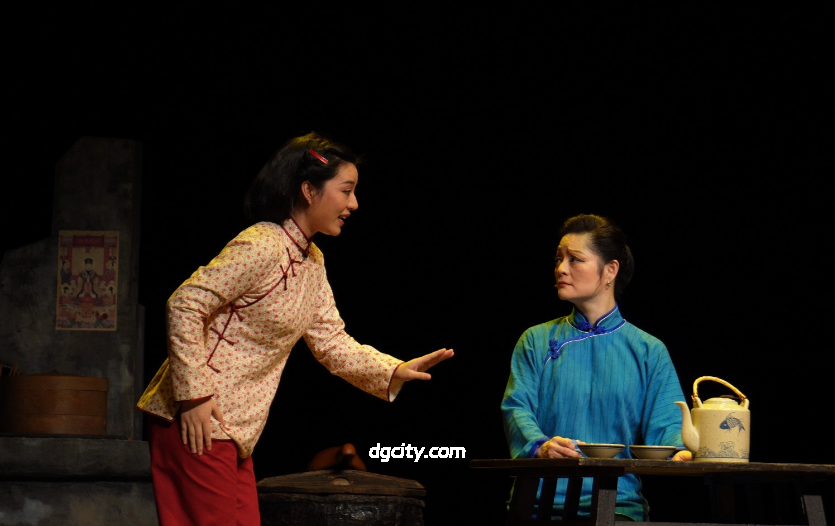
Hu Opera performances at the North Bund Sub-district Community Cultural Activity Center are mostly arranged on weekend afternoons, with each performance lasting about 90 minutes. Simple English subtitle prompts are provided on site, and staff will patiently explain the plot outline to foreign visitors. The venue is conveniently located, accessible by Metro Line 10 to North Sichuan Road Station, then a 10-minute walk. There are also attractions such as the North Bund Riverside Trail and old Shanghai lanes nearby. After watching Hu Opera, foreign visitors can stroll along the riverside, visit the lanes, and feel the urban customs of old Shanghai and the vitality of modern Shanghai. In addition, the venue regularly holds Hu Opera experience activities, inviting foreign visitors to learn simple Hu Opera singing and movements, experience wearing Hu Opera costumes, and personally feel the fun of Hu Opera art. Hu Opera performing artists also often come to the scene to interact with visitors and share the creation stories and artistic characteristics of Hu Opera.
In addition to professional theaters and community venues, some characteristic cultural blocks and scenic spots in Shanghai also hold occasional public welfare Hu Opera performances, providing foreign visitors with more opportunities to feel the charm of Hu Opera. For example, Yu Garden Old Street holds “Hu Opera into Scenic Spots” activities every spring and autumn. A temporary stage is set up beside the Huxin Pavilion and the Zigzag Bridge. Actors wear traditional Hu Opera costumes and perform classic Hu Opera excerpts, with melodious singing and full charm, which complements the antique style of Yu Garden. While visiting Yu Garden and tasting Shanghai’s characteristic snacks, foreign visitors can listen to Hu Opera performances for free and feel the perfect integration of Jiangnan gardens and Hu Opera art. In addition, characteristic blocks such as Tianzifang and Xintiandi also invite Hu Opera actors to perform on site during holidays, allowing foreign visitors to encounter the melodious charm of Hu Opera while feeling the collision between Shanghai’s fashion and retro.
For foreign visitors who hope to deeply understand Hu Opera Culture, they can also go to the Shanghai Opera Museum (located at 788 Huashan Road, Jing’an District). The museum has a special exhibition hall for Hu Opera, which comprehensively shows the origin, development history, classic plays, famous artists and other contents of Hu Opera through various forms such as text, pictures, cultural relics and images. English explanations are provided in the exhibition hall for the convenience of foreign visitors. The museum is open from 9:00 AM to 5:00 PM (last entry at 4:30 PM), closed every Monday, and admission is free. You can make an appointment to enter through the official WeChat public account in advance. Here, foreign visitors can see important cultural relics in the history of Hu Opera development, watch video materials of classic Hu Opera plays, deeply understand the close connection between Hu Opera and Shanghai’s urban development, and feel the cultural value and artistic charm of Hu Opera as an intangible cultural heritage.
Finally, here are some practical viewing tips for foreign visitors to help you better appreciate the charm of Hu Opera. First, theater etiquette: during the Hu Opera performance, please do not talk loudly or walk around at will; please set your mobile phone to silent mode to respect the actors and other audiences. After the performance, you can applaud to express your love and gratitude to the actors. Second, ticket purchase and reservation: it is recommended to buy tickets 3-7 days in advance for Hu Opera performances in professional theaters, as popular sessions are often sold out quickly. Public welfare performances in community venues can be purchased on site, and some characteristic activities require simple advance reservations. Third, language assistance: most classic plays in core performance venues are equipped with English subtitles or English plot booklets, which can be obtained from staff in advance. You can also rent English audio guide headphones to deeply understand the plot and the connotation of the singing.
Fourth, transportation and dressing: most core Hu Opera venues are located in the city center, accessible by metro. It is recommended to wear comfortable and decent clothes, which are convenient for travel and in line with theater etiquette. Fifth, surrounding experiences: after watching Hu Opera, you can taste Shanghai’s characteristic snacks such as shengjian bao (pan-fried buns), xiaolong bao (steamed dumplings) and wontons around the theater, visit old Shanghai lanes, and buy Hu Opera-themed cultural and creative products (such as Hu Opera facial mask bookmarks, singing U disks, etc.) to take the charm of Hu Opera home.
Hu Opera is the sound of Shanghai, the charm of Jiangnan, and the crystallization of the integration of traditional Chinese culture and modern Shanghai urban culture. It tells the century-old stories of Shanghai with melodious singing, and shows the humanistic customs of Jiangnan with vivid plots. Every melody is engraved with the memory of this city, and every role carries the feelings of Jiangnan people. For foreign visitors, walking into a Hu Opera theater, listening to the soft singing of Wu dialect, and feeling the unique charm of traditional opera can not only appreciate the essence of Shanghai’s local culture, but also understand the unique temperament of this city of “inclusiveness and accessibility to both refined and popular tastes.” With a sense of curiosity and expectation, walk into Shanghai’s Hu Opera venues, and start your own cultural journey of Shanghai in the melodious Hu Opera, letting the gentle melody of Hu Opera become the most unforgettable memory of your trip to Shanghai.



暂无评论内容