




On the geographical map of Hong Kong, Victoria Harbour, like a emerald ribbon, stretches between Hong Kong Island and the Kowloon Peninsula. It is not only a natural deep-water harbour endowed by nature, but also the soul and pulse of this international metropolis. As one of the three largest natural harbours in the world, it boasts superior geographical advantages of broad waters, deep depth and excellent shelter from winds. It has witnessed Hong Kong’s transformation from a small fishing village to a global hub of shipping, finance and trade, bearing centuries of vicissitudes and glories of the times, and becoming a world-famous urban symbol etched in the hearts of Hong Kong people.
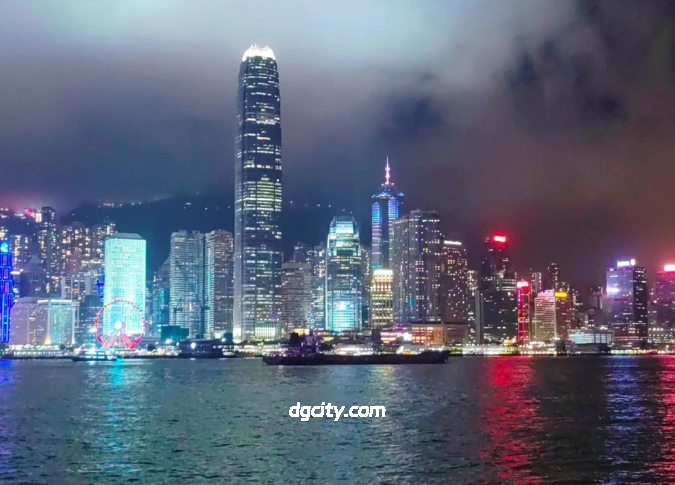
The historical heritage of Victoria Harbour can be traced back to the Song Dynasty. At that time, troops were stationed here to protect the salt merchants and maritime transportation, making it an important node in the early trade network along the Coast of Lingnan. However, it was the historical turning point in the mid-19th century that brought it to the world stage. After the British occupied Hong Kong Island in 1841, this harbour connecting the north and south banks was officially named Victoria Harbour in 1861 to commemorate Queen Victoria of Britain at that time. In the following more than a century, relying on its unique geographical location, Victoria Harbour quickly emerged as the core trade hub in the Far East. Wharves and docks were successively built along the Coast, among which Taikoo Dockyard and Whampoa Dockyard became the top shipbuilding bases in Asia, employing thousands of workers. Their shipbuilding technology was on a par with that of Japan, and countless ships sailed from here to the world, carrying Hong Kong’s industrial dreams.
After the 1970s, Hong Kong’s Economy ushered in a transformation, and the shipping industry gradually declined. The two major dockyards were demolished one after another, and their original sites were rebuilt into residential and commercial areas such as Taikoo Shing and Whampoa Garden, completing the transformation from an industrial center to a prosperous business district. When Hong Kong returned to the motherland in 1997, Victoria Harbour, as an important free supply port, still maintained an open and inclusive attitude, occasionally receiving international warships for berthing, and continuing its legend as an international shipping hub. Today, about 165,000 inland and ocean-going ships enter and leave Victoria Harbour every year, with an annual throughput of 118.6 million tons. It maintains trade relations with more than 600 ports in over 200 countries and regions around the world. The container terminals in its Kwai Chung and Tsing Yi port areas are among the world’s top, with an annual handling capacity exceeding 19 million TEUs, supporting Hong Kong’s status as an international trade center.
The gift of nature has endowed Victoria Harbour with irreplaceable Natural Scenery. Located on the east side of the Pearl River Estuary, adjacent to Guangzhou Port in the north and between the eastern and western port areas of Shenzhen Port, it has a geographical coordinate of 114°09′.1 E longitude and 22°17′.3 N latitude. The port area covers about 50 square kilometers, 7 nautical miles long from east to west, and 2.7 nautical miles at its widest point from north to south. With an average water depth of 12 meters, the deepest Liuyumen Channel is about 43 meters deep, and the shallowest Yau Ma Tei Channel is about 7 meters deep, with a tidal range of about 1 meter. In addition, the entrances on the east and west sides are narrow, and the surrounding area is surrounded by high mountains, forming a natural bag-shaped sheltered harbour. Except for extreme weather, the wind has little impact on the operation in the port. The unique hydrological and climatic conditions enable it to berth more than 100 10,000-ton ships at the same time, while ensuring the safe and smooth navigation of ships, making it a natural shipping treasure.
After years of trials and hardships, Victoria Harbour has also faced challenges. From the 1970s to the early 21st century, due to the discharge of a large amount of untreated sewage, Victoria Harbour was once known as the “smelly harbour” with severe water pollution. To improve water quality, the Hong Kong government launched several phases of sewage treatment projects. In 2001, the first phase of the sewage treatment tunnel project was completed, greatly reducing the organic pollutants and suspended solids in the seawater. In 2017, the government adjusted its strategy to focus on treating stormwater drains and illegal discharges. By 2018, the coliform bacteria content in the seawater had decreased by 92.5% compared with 1997-2001, and the water quality had been significantly improved. Today’s Victoria Harbour has clear seawater and soaring seagulls, regaining vitality and vigor.
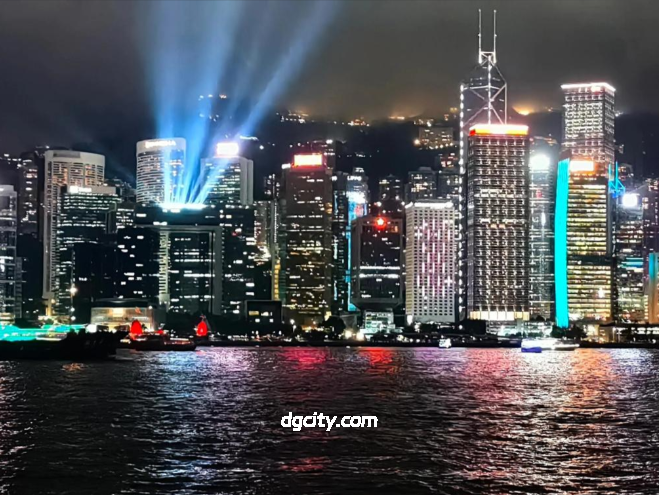
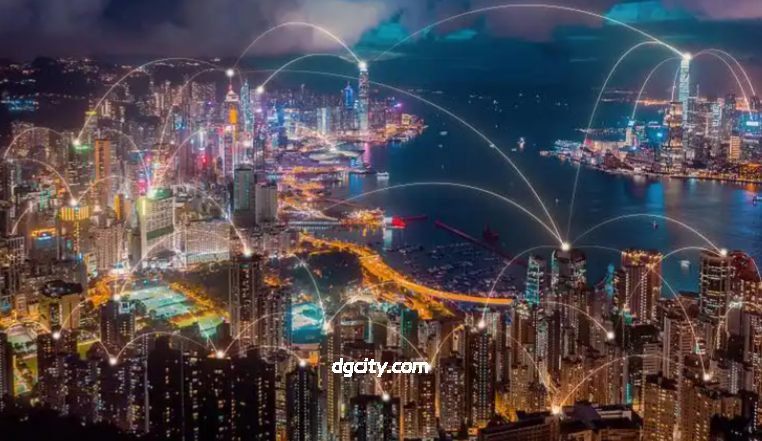
In addition to its shipping and economic value, Victoria Harbour is also the core landmark of Hong Kong’s Culture and tourism, carrying the life memories of citizens and the humanistic atmosphere of the city. The landscapes on both banks are scattered in an orderly manner. The skyscrapers on the north shore of Hong Kong Island complement the historical buildings on the Kowloon Peninsula. Modern buildings such as the Bank of China Tower and the International Finance Center stand tall, and cultural venues such as the Hong Kong Cultural Centre and the Hong Kong Museum of Art are dotted among them, forming an urban picture with both a modern sense and historical charm. The cartoon illustrations on the Wan Chai Waterfront Promenade, the handprints of superstars on the Avenue of Stars, the Xiqu Centre and M+ Museum in the West Kowloon Cultural District have made the banks of Victoria Harbour a popular check-in spot with both artistic atmosphere and leisure vibe. Citizens and tourists stroll, picnic and enjoy the scenery here, feeling the diverse charm of Hong Kong.
When night falls, Victoria Harbour ushered in the most brilliant moment of the day. Every night at 8 o’clock, the “Symphony of Lights” light and music show is staged on time. The lights, searchlights and lasers of more than 40 buildings on both banks dance to the rhythm of the music played by the Hong Kong Philharmonic Orchestra, forming a shocking audio-visual feast and becoming the most representative night scene in Hong Kong. On important festivals such as New Year’s Day and the Spring Festival, grand fireworks displays are also held in Victoria Harbour. The bright fireworks bloom in the night sky, reflecting in the clear seawater. The banks are crowded with people, and cheers and exclamations can be heard everywhere, conveying an atmosphere of reunion and joy. Taking the Star Ferry to shuttle between the north and south banks, blowing the gentle sea breeze and enjoying the lights on both banks is an experience not to be missed by every visitor. This unique romance has long become Hong Kong’s city card.
From an ancient salt transportation route, to a trade hub during the colonial period, and then to an international urban landmark today, the century-old changes of Victoria Harbour are a microcosm of Hong Kong’s development. It is not only a port, but also a spiritual symbol of Hong Kong — inclusive and open, tenacious and forging ahead, and ever-growing. It carries the vicissitudes of history, witnesses the development of the times, and nurtures the future of the city. Today, this pearl of the East, which has been beating for centuries, still shines brightly on the Coast of the South China Sea, connecting Hong Kong with the world and writing the legend and glory belonging to this city.

暂无评论内容