




Chongqing, also known as “Mountain City” and “Fog City”, is a city integrating natural wonders, cultural heritage, urban vitality and intangible cultural heritage charm. Here, there are not only “3D magical” three-dimensional street scenes, but also magnificent natural heritage; not only spicy and delicious local dishes, but also thousand-year-old intangible cultural heritage skills. This guide will systematically sort out Chongqing’s must-visit attractions, characteristic food and important intangible cultural heritage, providing comprehensive and practical travel references for tourists, helping them immerse themselves in the unique charm of the Bayu land.
I. Core Tourist Attractions in Chongqing
Chongqing’s attractions combine natural beauty and cultural charm, from urban Internet-famous landmarks to world natural and cultural heritage, from thousand-year-old Ancient Towns to red sites. Each place highlights the unique temperament of the mountain city. They are sorted by category below to facilitate tourists to plan their trips.
1. Urban Internet-Famous Landmarks (Must-Visit for Magical Mountain City)
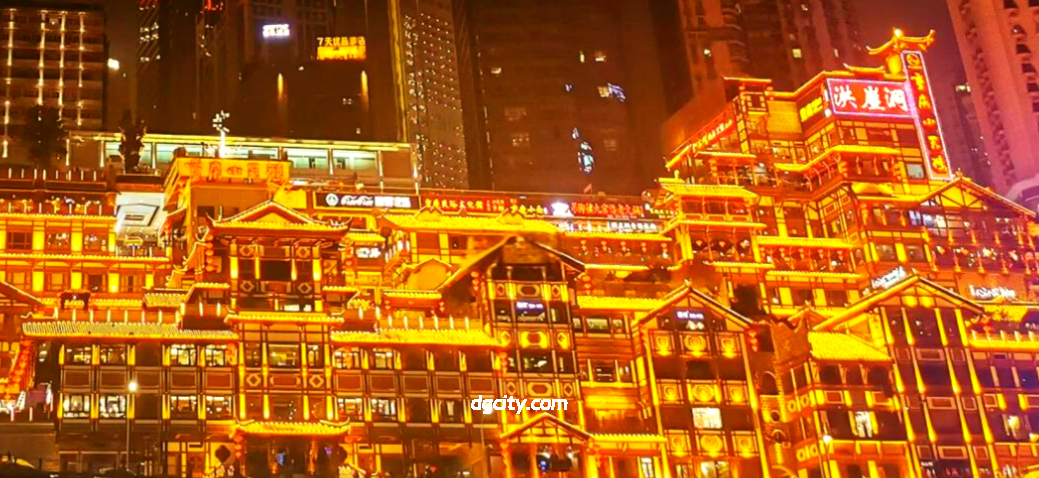
① Hongya Cave Folk Custom Scenic Area: Centered on traditional Bayu stilted buildings, it is built against the mountain and by the river. When the lights are on at night, the layered buildings and the reflection of the Jialing River complement each other, resembling the fantasy scene in “Spirited Away”. It is Chongqing’s city card and an excellent viewing spot for the confluence of the two rivers.
② Liberation Monument & Bayi food Street: Liberation Monument is Chongqing’s city landmark and the Victory Monument for the War of Resistance against Japanese Aggression, surrounded by a prosperous commercial center; the adjacent Bayi Food Street gathers various characteristic snacks in Chongqing, making it a must-visit place to feel the urban vitality and taste delicious food.
③ Yangtze River Cableway: Known as the “air bus”, it connects Yuzhong District and Nan’an District. Taking the cableway, you can overlook the three-dimensional mountain city scenery on both sides of the Yangtze River. Taking it at sunset, with the river breeze blowing and light and shadow crisscrossing, the atmosphere is full.
④ Liziba Light Rail Station: Famous nationwide for the “light rail passing through the building” wonder, Light Rail Line 2 passes through the building, forming a unique scene of “the train running in the building and the building standing beside the train”. There is an observation platform next to the station for tourists to watch and take photos.
⑤ Nanshan One Tree Observation Deck: Located on the top of Nanshan Mountain, it is the best place to overlook the panoramic view of Chongqing’s main urban area. Especially at night, the lights of thousands of families and the night view of the two rivers complement each other, bright and dazzling, making it a must-visit place to take photos of Chongqing’s night view.
⑥ Ciqikou Ancient Town: A thousand-year-old ancient town in Chongqing, retaining the bluestone streets and ancient dwellings of the Ming and Qing dynasties, it is the epitome of Bayu Culture. Here, there is not only the simple street style, but also the birthplace of characteristic foods such as Chen Mahua (fried dough twist) and Maoxuewang (spicy blood curd). You can immerse yourself in the vitality of the mountain city’s ancient town.
⑦ Chaotianmen Wharf & Raffles City: Chaotianmen is the confluence of the Yangtze River and the Jialing River, and has been an important water transport hub in Chongqing since ancient times; the adjacent Raffles City is a landmark building of modern Chongqing, with a unique shape, perfectly integrating with the wharf Culture and landscape, making it a good place for tourists to take photos and relax.
⑧ Shancheng No.3 Trail: The longest suspended trail in Chongqing, connecting multiple old neighborhoods. The trail is built against the mountain, and you can enjoy traditional Bayu buildings such as bucket-and-bracket houses and stilted buildings along the way, feel the living atmosphere of the mountain city residents, and it is an excellent way to experience Chongqing’s “three-dimensional transportation”.
⑨ Bai Mansion & Zhazi Cave: Red historical attractions, important prison sites during the War of Resistance against Japanese Aggression and the Liberation War, recording the heroic deeds of revolutionary martyrs, carrying a heavy red memory, and a must-visit place to understand Chongqing’s red history.
2. World Natural Heritage (Magnificent Landscape)
① Wulong Tiankeng Three Bridges: A national 5A-level scenic spot and world natural heritage, famous for its unique karst tiankeng landform. It has three natural stone bridges: Tianlong Bridge, Qinglong Bridge and Heilong Bridge, which are magnificent and steep. It is the filming location of films and TV works such as “Curse of the Golden Flower” and “Transformers: Age of Extinction”.
② Wulong Longshui Gorge Ground Fissure: Adjacent to Tiankeng Three Bridges, it is a deep and steep canyon landscape. The canyon is full of waterfalls, streams, strange rocks and peaks, and the stream water is clear. Walking on the plank road, you can feel the uncanny craftsmanship of nature.
③ Fairy Mountain National Forest Park: Known as “Oriental Switzerland”, it is a scenic resort where alpine grasslands and forests blend. The climate is cool in summer, making it a summer resort; in winter, you can experience skiing fun. The grasslands, snow-capped mountains and forests form a beautiful picture.
④ Baidi City · Qutang Gorge: Located at the starting point of the Yangtze Three Gorges, the poem “Leaving Baidi City at dawn with colorful clouds” originates here. Baidi City is an important historical site of the Three Kingdoms period, and Qutang Gorge is famous for “Qutang Gorge is the most majestic under heaven”. The cliffs on both sides stand steeply, and the river rushes endlessly, showing the grandeur of the Three Gorges.
3. Cultural History and Ancient Towns
① Dazu Rock Carvings: A world cultural heritage, it is the pinnacle of cliff carvings in the Tang and Song dynasties. There are 2,345 existing niches and more than 100,000 statues, with exquisite carvings and rich themes, covering Buddhism, Taoism and Confucianism, with extremely high artistic and historical value.
② Hechuan Diaoyu Castle: Known as “the place where God broke his whip”, it is an important military site during the Song and Yuan wars. It is strategically located and once resisted the Mongol army for decades with its unique defense system, making it a miracle in the world military history.
③ Anju Ancient Town (Tongliang): A thousand-year-old ancient town, the birthplace of Tongliang Dragon Dance. It retains a large number of ancient buildings from the Ming and Qing dynasties. The ancient town is built against the mountain and by the water, with a strong folk custom. Dragon boat races and other folk activities are held every year.
④ Rongchang Wanling Ancient Town, Antao Town, Xiabu Town: Concentrated places for intangible cultural heritage experience in Rongchang. Wanling Ancient Town is simple and elegant, Antao Town allows you to experience Rongchang pottery making skills, and Xiabu Town shows the unique charm of Rongchang Xiabu (ramie cloth), suitable for in-depth experience of intangible cultural heritage.
⑤ Jiangjin Baisha Ancient Town: A historical famous town, the birthplace of Jiangjin Rice Flower Candy and Baisha Shaojiu (distilled liquor). The ancient town retains a large number of ancient buildings from the Ming and Qing dynasties, with deep streets and strong vitality. You can experience traditional folk customs and food Culture.
II. Chongqing Food Features (Including Intangible Cultural Heritage Food)
Chongqing food is centered on “spicy, fresh and fragrant”, integrating Bayu folk culture. It has not only famous local dishes known nationwide, but also thousand-year-old intangible cultural heritage food. Each dish highlights the boldness and vitality of the mountain city, and is an indispensable part of Chongqing tourism.
1. Core Local Dishes (Spicy Soul)
① Chongqing Hot Pot (National Intangible Cultural Heritage): A representative of Bayu food culture, featuring butter hot pot base, matched with nine-square grid. Ingredients such as tripe, duck intestines, yellow throat and tender beef are spicy and fresh after boiling. It is an important part of Chongqing people’s life and a must-try food for tourists.
② Chongqing Small Noodles: The soul food of the mountain city’s streets, featuring spicy and fresh taste. It is divided into two types: “soup noodles” and “dry noodles”, matched with toppings such as peas, minced pork and beef. It has a chewy taste and affordable price, and is the first choice for Chongqing people’s breakfast.
③ Maoxuewang (Spicy Blood Curd): Originated in Ciqikou Ancient Town, with duck blood, tripe, yellow throat, lunch meat and other main ingredients. It is spicy, fresh and rich in soup, and is a classic representative of Chongqing local dishes.
④ La Zi Ji (Spicy Chicken): Most famous for its characteristics in Jiangjin and Geleshan. The chicken is crispy on the outside and tender on the inside, matched with a lot of dried chili and Chinese prickly ash, spicy and fragrant, which is an excellent dish with wine.
⑤ Suan Cai Yu (Pickled Vegetable Fish) / Tai’an Yu (Tai’an Fish, Tongnan): Sour and spicy, appetizing, the fish is tender and smooth, and the soup is rich. Suan Cai Yu uses pickled vegetables as auxiliary materials, while Tai’an Yu uses soybean paste and pickled peppers as characteristics. It is a common food on Chongqing people’s dining tables.
⑥ Laifeng Yu (Laifeng Fish), Bishan Tu (Bishan Rabbit, Bishan): Famous local dishes in Bishan. Laifeng Fish is spicy and tender, and Bishan Rabbit is fresh and delicious. Both kinds of food take spiciness as the core, showing the bold style of Chongqing local dishes.
⑦ Youting Ji Yu (Youting Crucian Carp, Dazu): A characteristic food in Dazu. The crucian carp is tender, matched with spicy hot pot base, supplemented with bean sprouts, fungus and other side dishes, spicy and tasty, and is a very representative local dish in the area.
2. Intangible Cultural Heritage Traditional Food and Snacks
① Fuling Zhacai (Preserved Vegetable) Making Craft (National Intangible Cultural Heritage): One of the three famous preserved vegetables in the world. It is made from Fuling green vegetables through multiple processes of pickling, crispy and refreshing, with appropriate saltiness. It can be eaten directly or as a dish auxiliary material.
② Yongchuan Douchi (Fermented Soybean) Brewing Craft (Municipal Intangible Cultural Heritage): One of the soul seasonings of Sichuan Cuisine. It is made from local black beans in Yongchuan through traditional brewing methods, with a strong sauce flavor. It can be used for stir-frying dishes, steaming fish, etc., to enhance the flavor of dishes.
③ Zhongzhou Tofu Milk (Municipal Intangible Cultural Heritage): Made from Zhongzhou soybeans through fermentation, pickling and other processes. It is delicate and smooth, salty and delicious, and is a classic side dish on Chongqing people’s dining tables.
④ Jiangjin Rice Flower Candy: A century-old brand food. It is made from glutinous rice, white sugar, sesame and other raw materials through frying, pressing and other processes. It is crispy and sweet, melts in the mouth, and is a famous characteristic snack in Chongqing.
⑤ Rongchang Braised White Goose: A representative of Rongchang’s intangible cultural heritage braised food craft. The goose meat is glutinous on the skin and fragrant in the meat, with rich braised sauce. It is made through multiple traditional braising processes. It is a characteristic food in Rongchang and the first choice for tourists’ souvenirs.
⑥ Tujia Eight Great Bowls, Rongchang Hakka Nine Great Bowls: Traditional banquet food in Chongqing. Tujia Eight Great Bowls highlight the folk characteristics of the Tujia nationality, while Rongchang Hakka Nine Great Bowls integrate Hakka culture. The dishes are rich and auspicious, and are important carriers to feel Chongqing’s folk food culture.
3. Characteristic Drinks and Brewing
① Yongchuan Xiuya (Green Tea) Handmade Craft (Municipal Intangible Cultural Heritage): A famous tea in Chongqing. It is made from tender buds of local tea trees in Yongchuan through hand stir-frying. The tea leaves are tender and neat, fresh and sweet, and are a representative of Chongqing’s tea culture.
② Jiangjin Luxi Shaojiu (Distilled Liquor) Brewing Craft: A traditional liquor brewing craft. It is made from sorghum, corn and other raw materials through traditional fermentation and distillation. The liquor is mellow and soft, with a rich taste, and is a characteristic liquor in Chongqing.
③ Han’s Clay Pot Soy Sauce/Vinegar (Municipal Intangible Cultural Heritage): A traditional brewing craft. It is made from grain through clay pot fermentation. The soy sauce has a rich sauce flavor, and the vinegar is sour and sweet, which are indispensable condiments in Chongqing people’s daily life.
III. Chongqing Intangible Cultural Heritage (Important Components)
Chongqing has a profound heritage of intangible cultural heritage, covering traditional dance, music, art, craftsmanship, folk customs and other categories. It is an important carrier of Bayu culture, inherited for thousands of years with great charm. The following are the core components.
1. Traditional Dance (National Level)
① Tongliang Dragon Dance: Known as “the first dragon in China”, it is a national intangible cultural heritage. The dragon body is exquisitely shaped, and the dragon dance movements are magnificent, integrating dance, martial arts, acrobatics and other elements. It is performed during festivals such as the Spring Festival and Lantern Festival every year, and is also a regular guest on the Spring Festival Gala.
② Gaotai Lion Dance (High Platform Lion Dance): A national intangible cultural heritage, featuring high platform lion dance. The lion dancers perform thrilling movements such as jumping, rolling and shaping on the high platform, with exquisite skills and excitement, showing the bravery and wisdom of the Bayu people.
2. Traditional Music and Folk Art (National Level)
① Chuanjiang Haozi (Yangtze River Boatmen’s Chant): A national intangible cultural heritage, originating from the Yangtze River boatmen’s culture. It is a chant sung by boatmen when pulling the boat, with a bright rhythm and majestic momentum. It records the history of Yangtze River navigation and reflects the perseverance of the Bayu people.
② Sichuan Opera (Chongqing): A national intangible cultural heritage, one of the traditional Chinese opera genres. It is famous for its unique skills such as face-changing, fire-spitting and lamp-rolling. The singing is beautiful and the performance is vivid, showing the unique charm of Bayu culture.
③ Sichuan Bamboo Qin (Bamboo Zither), Sichuan Qingyin (Clear Tone) and Jinqian Ban (Money Board): Local rap arts in Chongqing, all municipal intangible cultural heritage. Sichuan Bamboo Qin is accompanied by a bamboo zither with a gentle singing style; Sichuan Qingyin has a beautiful melody, mainly sung by female voices; Jinqian Ban uses three bamboo boards as musical instruments, with a bright rhythm and strong local characteristics.
④ Liangping Laizi Luogu (Liangping Lazy Man’s Gongs and Drums): A national intangible cultural heritage, a folk percussion music composed of various gongs and drums. It has a cheerful rhythm and majestic momentum, and is often used in festivals, weddings and funerals, making it an important representative of Liangping folk culture.
⑤ Jielong Chuida (Jielong Wind and Percussion Music), Jinqiao Chuida (Jinqiao Wind and Percussion Music): National intangible cultural heritage, belonging to Bayu wind and percussion music. It has a variety of musical instruments and a bold performance style, integrating Bayu folk culture, and is a treasure of Chongqing folk music.
3. Traditional Art and Craftsmanship (National Level)
① Rongchang pottery Making Craft (An Tao): A national intangible cultural heritage, one of the four famous potteries in China. Originating from Anfu Town, Rongchang, the pottery has an exquisite shape and unique glaze color, especially the “Rongchang Pottery Carving” craft, which is exquisite and has high artistic value.
② Rongchang Xiabu (Ramie Cloth) Weaving Craft: A national intangible cultural heritage. It is hand-woven from local ramie in Rongchang. Xiabu is as thin as cicada’s wings and durable, and can be used to make clothes, accessories, etc. It is a treasure of traditional Chinese textile craftsmanship.
③ Rongchang Folding Fan Making Craft: A national intangible cultural heritage, known as “a delicate object in the sleeve”. The folding fan has an exquisite shape and rich patterns on the fan surface, integrating calligraphy, painting and other art forms, with exquisite craftsmanship, both practical and artistic.
④ Liangping woodblock New Year paintings: A national intangible cultural heritage, a representative of Chongqing folk printmaking art. Originating from Liangping, the New Year paintings are bright in color and vivid in patterns, with themes covering folk customs, myths and characters, and a strong folk flavor.
⑤ Liangping Bamboo Curtain Making Craft: A national intangible cultural heritage. It is hand-woven from Liangping bamboo silk. The bamboo curtain is as thin as cicada’s wings and has good light transmittance. It can be used for decoration, partition, etc., and is the pinnacle of traditional Chinese bamboo weaving craftsmanship.
⑥ Dazu stone carving: A national intangible cultural heritage, originating from Dazu Rock Carvings. The stone carving craftsmanship is exquisite, with rich themes, integrating Buddhism, Taoism and Confucianism, and is an important representative of ancient Chinese sculpture art.
⑦ Tujia Stilted Building Construction Craft: A national intangible cultural heritage, reflecting the wisdom of Bayu architecture. Stilted buildings are built against the mountain, with wooden structures and unique shapes. They not only adapt to the topographical characteristics of the mountain city, but also have a strong Tujia folk flavor.
4. Folk Customs and Festivals (Characteristic Intangible Cultural Heritage)
① Xiushan Flower Lantern: A national intangible cultural heritage, a traditional folk dance of the Tujia and Miao nationalities in Xiushan. It integrates song, dance, drama and other elements, with lively performances and a strong ethnic flavor, often used in festival occasions.
② Xiushan Meijiang Lantern Festival Dragon Blasting: A county-level intangible cultural heritage, a traditional folk activity in Meijiang Town, Xiushan. Every Lantern Festival, local people dance dragons shirtless to welcome the bombing of firecrackers. The scene is lively, showing the courage and carnival spirit of the local people.
③ Dazu Zhong’ao Fire Dragon: A municipal intangible cultural heritage, known as “a unique in China”. Originating from the late Ming and early Qing dynasties, the fire dragon has an exquisite shape. When dancing the dragon, it is matched with fireworks and firecrackers, with a magnificent momentum. It is an important folk festival activity in Dazu.
④ Rongchang Qixi Festival, Anju Dragon Boat Festival: Important local folk festivals in Chongqing. Rongchang Qixi Festival inherits the legend of Cowherd and Weaver Girl, with activities such as praying for blessings and begging for skills; Anju Dragon Boat Festival is held every Dragon Boat Festival, with dragon boat races and folk performances, lively and extraordinary, showing the charm of Bayu folk culture.
5. Other Important Intangible Cultural Heritage
① Traditional Production Craft and Customs of Chongqing Hot Pot (Municipal Intangible Cultural Heritage): Covering the production of hot pot base, food processing and eating customs, it is an important part of Bayu food culture, inheriting the life wisdom and folk customs of Chongqing people.
② Shu Embroidery (Chongqing): A municipal intangible cultural heritage, one of the four famous embroideries in China. The Embroidery craftsmanship is exquisite, the patterns are beautiful, and the themes cover flowers, birds, figures, landscapes, etc., both practical and artistic.
③ Three Gorges Root Carving, Micro-Carving, Zhengze Embroidery: Chongqing Folk Arts and crafts. Three Gorges Root Carving uses tree roots from the Three Gorges area as raw materials, with unique shapes; Micro-Carving has exquisite craftsmanship, which can carve characters and patterns on small materials; Zhengze Embroidery integrates multiple embroidery techniques with a unique style, all of which are important supplements to Chongqing’s intangible cultural heritage.




暂无评论内容