




Nestled in Anfu Sub-district, Rongchang District, in the western hinterland of Chongqing, Anyao Town is a small town nourished by kiln fire for thousands of years. As the birthplace of Rongchang pottery, one of China’s Four Great Famous Pottery, this national 4A-level scenic spot is more like a living pottery Culture Museum, carrying a pottery-making history of over 800 years. It perfectly integrates the fireworks of the Bashu land with intangible cultural heritage skills, becoming an ideal destination to escape the hustle and bustle of the city and experience traditional Culture. Unlike the crowded popular scenic spots in downtown Chongqing, Anyao Town has always maintained a quiet and simple atmosphere with a light commercial flavor. Every inch of land is permeated with the fragrance of clay and fire, waiting for every visitor to explore the legend of thousand-year-old pottery art.
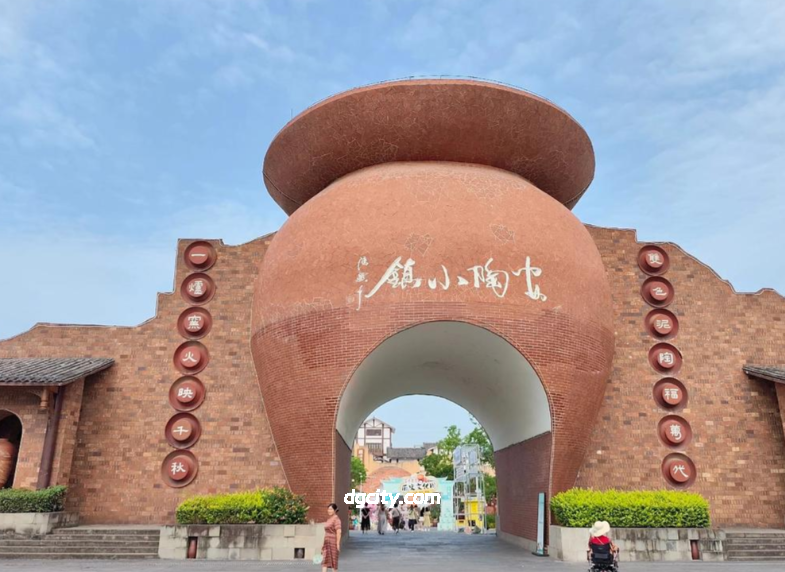
The soul of Anyao Town lies in the thousand-year-old Rongchang Pottery Culture. As a national intangible cultural heritage, Rongchang Pottery is as famous as Yixing Zisha Pottery in Jiangsu, Jianshui Pottery in Yunnan and Qinzhou Nixing Pottery in Guangxi, renowned for its unique charm of “red as jujube, thin as paper, bright as mirror, and resonant as chime”. The pottery-making history of the town can be traced back to the Han Dynasty. In the Tang and Song Dynasties, relying on the ancient post road, it became a regional pottery-making center, and reached its peak in the Ming and Qing Dynasties. The ancient folk song “Anfu Market is five li long, in the porcelain kiln there are distilleries, and clay pots are lined up in rows” vividly depicts the prosperity of the pottery industry at that time. Today, the kiln fire still burns continuously. 218 intangible cultural heritage inheritors adhere to the traditional craftsmanship and integrate modern creativity, making this ancient craft glow with new vitality in the new era.
When arriving in Anyao Town, the first stop must be the Rongchang Pottery Museum, which is the core window to understand Rongchang Pottery culture and a national 3A-level scenic spot. It houses more than 4,000 precious pottery pieces from the Han Dynasty to the present, systematically showing the development context of Rongchang Pottery from its embryonic form to its peak. The Museum collects not only early artifacts such as Han Dynasty pottery lamps and figurines, but also exquisite works of art from the Ming and Qing Dynasties, as well as award-winning works by modern pottery masters. Each pottery piece is engraved with the marks of the times, telling the story of clay and fire. Here, you can clearly see the unique production process of Rongchang Pottery, from clay selection, kneading, throwing, carving, to glazing and firing. Each process embodies the craftsman’s dedication, making people deeply feel the sophistication and profoundness of traditional skills. After visiting the museum, when you go to other parts of the town, you can more deeply understand the cultural connotation behind each pottery piece.
Taobao Ancient Street is the core tourist area of the town. On both sides of the 438-meter-long ancient street, bluestone slabs wind forward, and buildings in the style of the Ming and Qing Dynasties are scattered. More than 60 pottery studios and cultural and creative stores line the street. The ground is decorated with pottery pieces and pots, showing the characteristics of pottery culture everywhere. Wandering along the ancient street, you can randomly walk into a studio to watch craftsmen make pottery on site, and see how a piece of ordinary clay is gradually shaped into exquisite tea sets, vases or small ornaments through the kneading of fingers and the rotation of the turntable. If you like, you can also choose a favorite hand-made pottery as a souvenir. Each piece is a unique treasure, carrying the pottery charm and craftsmanship of the town. At the end of the ancient street, there is the Rongchang Pottery Intangible cultural heritage Corridor and the kiln site. Walking along the river, you can not only appreciate the pictures and texts introducing the history of Rongchang Pottery, but also see the site of the traditional stepped kiln (also known as “tongji kiln”), touch the traces of the ancient kiln fire, and feel the prosperity of the pottery industry thousands of years ago.
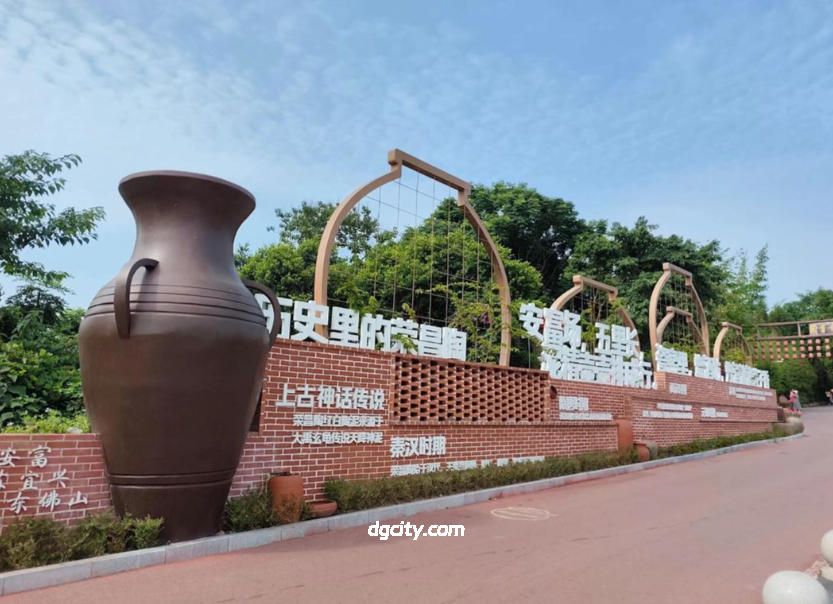
The fun of Anyao Town lies not only in viewing, but also in immersive experience. The pottery experience projects here are the essence. Almost every pottery bar and studio provides experience services such as throwing, Clay Sculpture and underglaze painting, with professional teachers guiding on site, so that both adults and children can get started quickly. Throwing is the most classic experience project. Sitting in front of the turntable, gently stroking the clay with both hands, feeling the softness and agility of the clay flowing between the fingers, and gradually shaping your own utensils, the process is healing and fulfilling. After the experience, the works can be fired by the store and then mailed to your home (additional firing and postage fees are required). The price ranges from 50 to 150 yuan according to the project and the size of the work, which is very cost-effective. In addition, if you happen to be there on the first Saturday of each month, you can watch the ancient dragon kiln ignition ceremony and participate in the firewood throwing link to personally feel the inheritance of the thousand-year-old kiln fire. If you catch the Pottery Festival from March to May, you can also see the grand occasion of masters gathering and skill competitions, and immerse yourself in the charm of pottery culture.
After playing, how can you miss the local characteristic food of Rongchang? The food in Anyao Town and its surrounding areas is full of Bashu fireworks, which is memorable. The first recommendation is Rongchang braised goose. As the most famous specialty of Rongchang, it is golden in color, mellow in braised aroma and firm in meat quality. It is very delicious whether eaten cold or hot. It is recommended to go to “Liu’s Braised Goose” in Anfu Sub-district for the most authentic taste. In addition, Huangliangfen (yellow jelly) is also a must-try snack. Made of peas, it has a smooth taste. With spicy condiments, it is sour and spicy and appetizing, which is one of the favorite street foods of local people. The hand-pulled Pugaimian (quilt noodles) has a wide skin like a quilt, chewy texture, and is served with a delicious chicken soup or minced meat soup base, which is warm and comforting. If you go in winter, a bowl of steaming mutton soup pot is cold-dispelling and nourishing, which is a must for winter. There are many small restaurants in the town. If you want to taste more authentic flavors, you can also go to Rongchang urban area, which is only about 20 minutes by car.
In terms of transportation, Anyao Town is conveniently accessible, whether by self-driving or public transportation. Starting from downtown Chongqing, the most recommended way is to take the high-speed rail. Take the high-speed rail from Chongqing North Station or West Station to Rongchang North Station, which takes only 30-40 minutes. After getting off the station, transfer to a bus or taxi to reach the town. The bus takes about 40 minutes, and the taxi takes about 20 minutes. You can also take a long-distance bus to Rongchang Bus Station, then transfer to a local bus or taxi to go there, which takes about 1.5-2 hours. Self-driving is more flexible. Navigate to “Anyao Town” or “Rongchang Pottery Museum”, take the G85 Chongqing-Kunming Expressway, get off at the “Rongchang” or “Guangshun” exit, and follow the road signs to reach there, which takes about 1.5 hours. It is recommended to arrange 0.5 to 1 day for the tour. A half-day tour can focus on visiting the museum, experiencing pottery making and wandering around the ancient street. A one-day tour can be a deep immersion, visiting the pottery factory, participating in in-depth pottery experience, tasting food. If you have enough time, you can also visit Wanling Ancient Town nearby to experience different ancient town customs.
Finally, here are some practical tips for you. In terms of clothing, it is recommended to wear comfortable and easy-to-move clothes and shoes. You may get your clothes dirty when experiencing pottery making, so try not to wear too expensive clothes, or ask the store for an apron. If you are a group tour or hope to experience pottery in a specific studio, it is recommended to make a phone reservation in advance to avoid delaying the itinerary. When buying pottery, you can compare prices in several stores. Hand-made pottery is unique and the prices will vary. Moreover, pottery is fragile, so it is recommended to mail it on site or pack it properly. The best time to visit is in spring and autumn (March-May, September-November), when the weather is cool and comfortable, suitable for wandering and experiencing. It is hot in summer, so you need to pay attention to heatstroke prevention. It is cold and humid with more rain in winter, so you need to take warm measures.
The kiln fire has been burning for a thousand years, and the pottery charm has been preserved forever. Anyao Town has no noisy crowds or the impetuosity of excessive commercialization, only the inheritance of thousand-year-old pottery art, the quiet town time and the authentic Bashu fireworks. Here, you can touch the temperature of history, feel the persistence of craftsmanship, experience the fun of pottery making, taste authentic food, and let your body and mind be completely relaxed under the influence of clay and fire. Whether traveling alone, dating with a partner, traveling with family or studying, Anyao Town can bring you an unforgettable journey, allowing you to understand the profound connotation of Bashu culture in the thousand-year-old pottery charm.




暂无评论内容