




At the confluence of Laixi River and Rongfeng River in Rongchang, Chongqing, hides a treasure town with thousands of years of intangible cultural heritage as its soul and the charm of the Ming and Qing dynasties as its framework — Chongqing Xiabu Town. As a national 4A-level scenic spot, it is not only a concentrated display of Rongchang Xiabu Culture, but also an immersive intangible cultural heritage Park integrating sightseeing, experience, cultural and creative products and food. Without traveling far, you can touch the craftsmanship of three thousand years of ramie weaving and feel the humanistic heritage of the Bayu land.
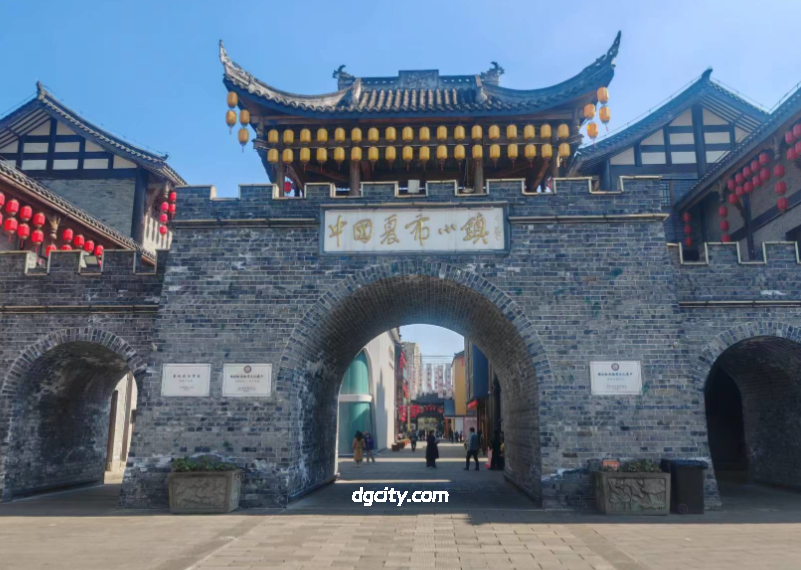
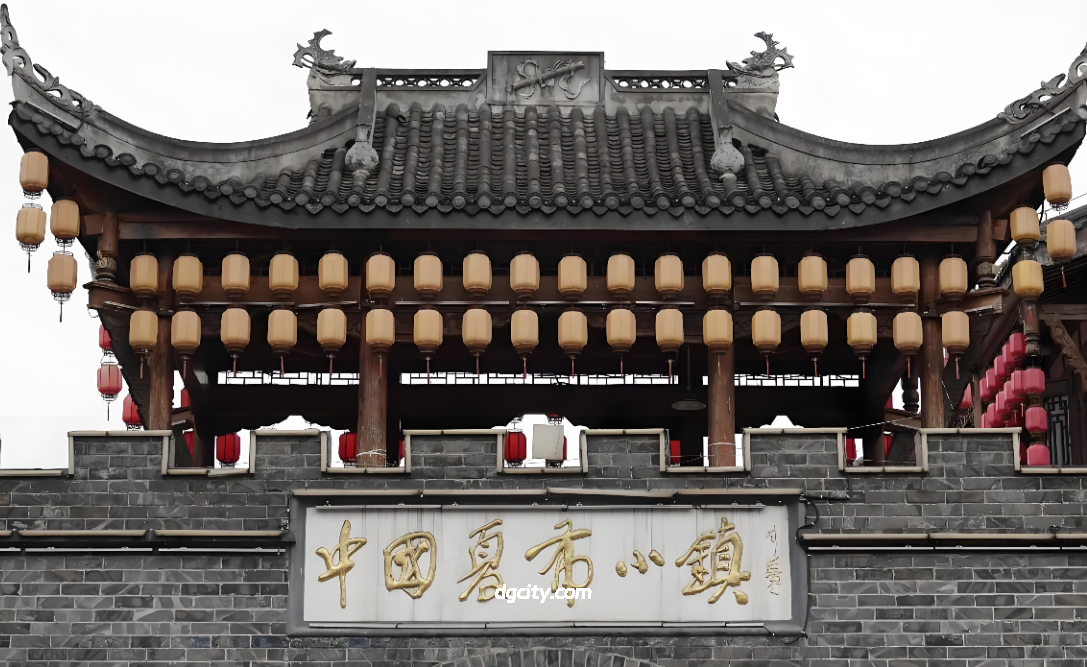
Covering an area of more than 40,000 square meters with a total construction area of 53,000 square meters, Xiabu Town is mainly composed of 24 courtyards imitating the style of the Ming and Qing dynasties. With blue tiles on the roof, upturned eaves, crisscross paths and Yimeng Covered Bridge spanning the river, every step presents an ancient charm, and every random shot is a high-quality ancient-style photo. Different from overly commercialized Ancient Towns, every building and every exhibit here tells the thousand-year-old story of Xiabu, quiet and textured, suitable for slowing down and savoring carefully.
When coming to Xiabu Town, the core must-visit is the China Xiabu Museum, the only museum in China focusing on Xiabu Culture. With a total area of about 1,200 square meters, the Museum is divided into three floors. The first floor displays the traditional Culture and weaving techniques of Xiabu, exhibiting Xiabu cultural relics and old looms from the Shang and Zhou dynasties to the present. There are also intangible cultural heritage inheritors on site demonstrating the whole process of “degumming — spinning — weaving”. Watching the old craftsmen stepping on the wooden looms and weaving thin ramie fibers into Xiabu that is as thin as cicada wings and as light as a mirror, you can understand that the praise of “as light as cicada wings, as flat as a lens; as thin as rice paper, as fine as silk” is well-deserved.
The second floor presents the overall development of the Xiabu industry, showing the innovative vitality of intangible cultural heritage from traditional Xiabu to modern cultural and creative products; the third floor looks forward to the future of the Xiabu industry, allowing people to see the rebirth of this ancient craft in the contemporary era.
In addition to the Xiabu Museum, the Rongchang Historical and Cultural Exhibition Hall and the Deng Zaijun TV Art Museum in the town are also not to be missed. The Rongchang Historical and Cultural Exhibition Hall, with the theme of “Thousand-Year-Old Rongchang, Pearl of Bayu”, systematically shows the historical context of Rongchang from ancient times to the present through six chapters. The cultural relics, images and scene restorations in the exhibition hall allow people to quickly understand the humanistic heritage of this city. The Deng Zaijun TV Art Museum tells the legendary life of Deng Zaijun, a director from Rongchang, and the development history of Chinese TV art through multimedia interaction. Among them, the behind-the-scenes treasure exhibition area of “Century-Old Enlai” makes people feel the power of red culture.
Intangible cultural heritage experience is a major feature of Xiabu Town. Here, you can personally participate in experience projects such as ramie twisting, spinning and weaving, and feel the hardships and fun of Xiabu weaving. Even if you just step on the loom a few times, you can deeply experience the craftsmanship of “slow work yields fine products”. There is also a Hanfu experience area in the town. Put on elegant Hanfu and walk among the blue-tiled ancient courtyards, as if traveling back to the Ming and Qing dynasties, bumping into the thousand-year-old intangible cultural heritage.
In addition, the Little Pig Market is also a must-visit place, where you can find local specialty snacks such as Rongchang braised goose, cold cake and Pugai noodles. After walking tired, sit down and taste authentic food, which is the most pleasant time.
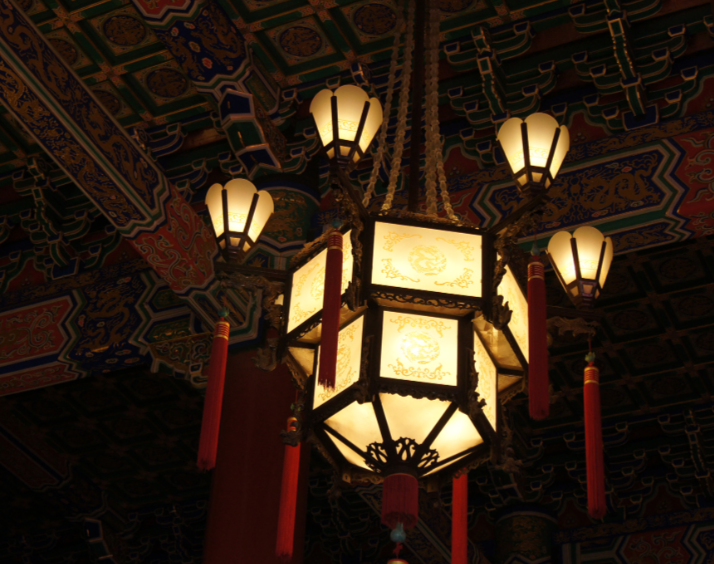
The night view of the town is even more unique. In the evening, around 18:20, all the lanterns are lit. The blue-tiled ancient courtyards look more gentle under the light, and the paintings and lights on the Yimeng Covered Bridge complement each other. The evening breeze blows across the Laixi River, bringing a burst of coolness. Whether walking along the river or sitting in the leisure room of the covered bridge, you can feel the tranquility and beauty of the town. During the Spring Festival, the town will also hold activities such as drone light shows, Hanfu parades and Sichuan opera face-changing, bringing tourists a different travel experience.
In terms of transportation, the town is very convenient to reach. Take the high-speed rail from downtown Chongqing to Rongchang North Station, then transfer to No. 202 bus to Baochengqiao (East Xiabu Town) Station; you can also take No. 202 bus directly in Rongchang. The town is free to visit, and some experience projects are charged. It is recommended to spend 3-4 hours here. If you have enough time, you can also go to the nearby Wanling Ancient Town and Antao Town to unlock the in-depth intangible cultural heritage travel route in Rongchang.
Here, the thousand-year-old Xiabu is no longer an exhibit in the museum, but a temperature integrated into life; the Ming and Qing ancient courtyards are no longer cold buildings, but carriers of craftsmanship. Come to Chongqing Xiabu Town, visit ancient courtyards, watch intangible cultural heritage, taste food and enjoy a slow time. Between every stitch and tile, understand the thousand-year-old heritage of Rongchang and feel the unique charm of intangible cultural heritage.




暂无评论内容