




In the west of Jiangjin, Chongqing, by the banks of the Yangtze River, lies a millennium-old town that carries thousands of years of history and is permeated with Bayu customs — Jiangjin Baisha Ancient Town. It stands at the important ferry of the Yangtze River, serving as an economic, cultural, commercial and transportation hub in northern Guizhou and western Jiangjin. Known as the “Famous Town of Tianfu”, “Important Cultural Town of Eastern Sichuan” and “Famous Anti-Japanese War Cultural Town”, it is a “National Historical and Cultural Town”. Here, there is not only the fireworks of ancient streets in the Ming and Qing dynasties, but also the profound sense of Anti-Japanese War Culture and the interest of film and television customs. Without traveling far, you can immerse yourself in the unique charm of Chongqing’s millennium-old town.
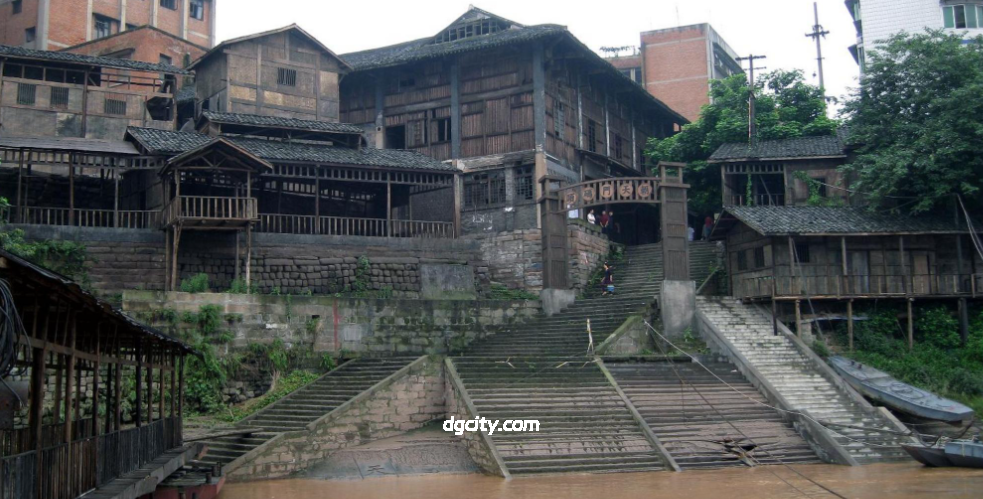
The history of Baisha Ancient Town can be traced back to the Song Dynasty. During the Ming and Qing dynasties, relying on the advantages of the Yangtze River’s golden waterway, it became an important waterway ferry in eastern and southern Sichuan and an important market town on the Sichuan-Guizhou-Yunnan post road. With a gathering of merchant ships and prosperous trade, it left a large number of architectural relics from the Ming, Qing and Republic of China periods. Today, the ancient town still retains 65 old streets and lanes, of which 38 are well-preserved, with a total length of about 8.5 kilometers and 111 cultural relic protection sites. Historical and cultural relics from the Song Dynasty to the present are scattered all over the town, known as the miniature of “Old Chongqing”. Walking on the bluestone roads of the ancient town, every step steps on the traces of time.
When coming to Baisha Ancient Town, the core must-visit is Baisha Old Street, which is the soul of the ancient town. The bluestone roads are smooth and warm polished by years, with scattered Ming and Qing dwellings on both sides, covered with blue tiles and carved wooden windows. The mottled walls are engraved with the marks of time. Occasionally, old people sit at the door fanning and chatting, and children chase and play in the lanes, full of fireworks. On the old street, there are various old shops, including century-old teahouses, pawnshops, drugstores, and small shops selling local specialties. Walk into a teahouse, order a cup of Jiangjin Tuocha, and listen to the boss tell the past of the ancient town, which is the most pleasant slow time. Deep in the old street, there are also many well-preserved mansions, such as Zhang Family Courtyard and Li Family Courtyard. The courtyards are exquisitely laid out with carved beams and painted buildings, showing the prosperity of the past. Pushing open the mottled wooden door, you can almost hear the echo of time.
Anti-Japanese War Culture is a distinctive feature of Baisha Ancient Town. During the Anti-Japanese War, a large number of cultural institutions, schools and industrial and mining enterprises gathered here, such as the Audit Department of the National Government, the National Central Library, Chuandong Normal University, and Xinyun Textile Factory. With a gathering of talents, it became an important cultural town in the rear area at that time. Today, a large number of Anti-Japanese War sites are still preserved in the ancient town, such as the Anti-Japanese War Victory Monument, the former site of the National Central Library, and the former site of Chuandong Normal University. Each site carries the memory of that fiery war years. Among them, the Anti-Japanese War Victory Monument stands in the center of the ancient town, with the heroic deeds of the Anti-Japanese War engraved on the monument. Standing in front of the monument, you can almost feel the majestic power of the military and civilians working together to resist foreign aggression at that time; the former site of the National Central Library preserves a large number of books and documents from the Anti-Japanese War period. Walking into here, you can immerse yourself in the cultural perseverance during the Anti-Japanese War.
In addition to the old streets and Anti-Japanese War sites, Chongqing Film City (Jiangjin Baisha) is also a must-check-in place. Covering an area of 13,000 square meters, the film city has a number of scenes including exhibition halls and sugar factory shooting areas. It is a famous film and television shooting base, and many film and television dramas such as “Sister Jiang”, “Mist City” and “Liberate Southwest China” have been filmed here. It restores the streets, shops and dwellings of the Republic of China period. Putting on the costumes of the Republic of China and walking in it, you seem to travel back to the years of the Republic of China, and every random shot is a high-quality Republic of China-style photo. The exhibition hall in the film city also displays film and television shooting props, costumes and behind-the-scenes stories, allowing tourists to deeply understand the whole process of film and television shooting.
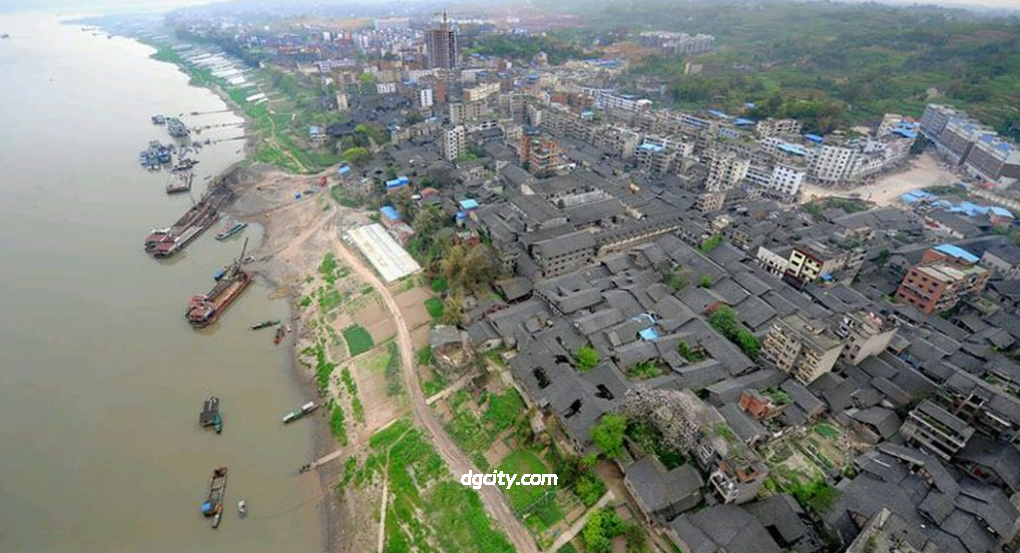
Intangible cultural heritage is another highlight of Baisha Ancient Town, among which the most representative is the intangible cultural heritage craftsmanship of Jiangjin Shaojiu. Lvxi Distillery in Baisha Town, whose Shaojiu production craftsmanship is rated as a “Chongqing Municipal Intangible Cultural Heritage”, is also one of the largest Xiaoqu Baijiu production bases in the country. Tourists can walk into the distillery, visit the Shaojiu brewing workshop, watch the intangible cultural heritage inheritors demonstrate the traditional brewing craftsmanship. From grain selection, fermentation, distillation to aging, each process shows the craftsmanship of the old craftsmen. You can also taste the freshly brewed Jiangjin Shaojiu for free and feel its mellow and long taste. In addition, there are traditional intangible cultural heritage projects such as hand weaving and Paper Cutting in the ancient town. Tourists can personally participate in the experience and feel the charm of traditional craftsmanship.
food is an indispensable part of the ancient town tour. The food in Baisha Ancient Town combines Bayu flavor with local characteristics, which is unforgettable. The must-try is Baisha Glutinous Rice Balls, which are soft, glutinous and sweet, wrapped with sesame, peanut crumbs and white sugar, and full of fragrance in one bite; there is also Jiangjin Pork Slices, which are crispy on the outside and tender on the inside, sweet and sour, a classic local dish; in addition, Baisha Sesame Cakes, Lvxi Baijiu, Yangtze River Fish and other characteristic foods are also not to be missed. After walking tired, sit in a snack shop on the old street, taste authentic food, and feel the fireworks of the ancient town.
In terms of transportation, Baisha Ancient Town is convenient to reach. Take the high-speed rail from downtown Chongqing to Jiangjin Station, then transfer to the bus from Jiangjin to Baisha, which takes about 1.5 hours; you can also drive there, navigate to “Jiangjin Baisha Ancient Town”, which takes about 1.5-2 hours, and there is a free Parking lot at the entrance of the ancient town. The ancient town is free to visit, and some experience projects (such as the film city and distillery visit) are charged. It is recommended to spend 4-5 hours here. If you have enough time, you can also go to the nearby Tanghe Ancient Town and Gunziping Scenic Area to unlock the in-depth tour route of Jiangjin ancient towns.
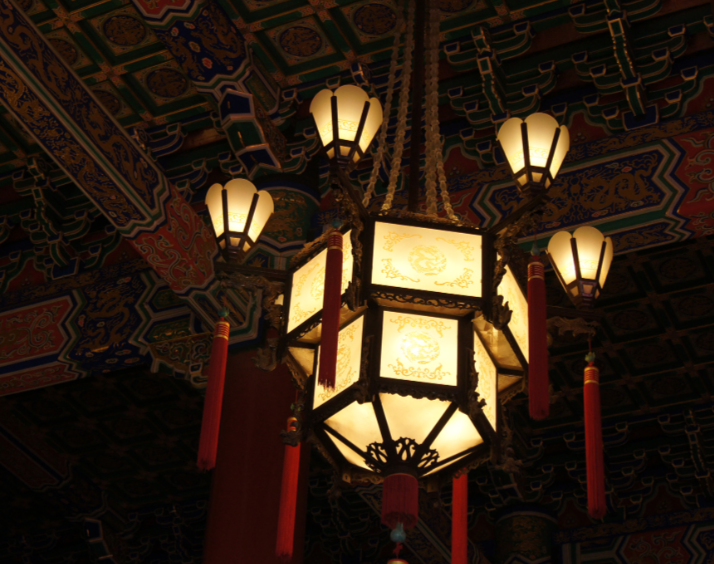
The night view of Baisha Ancient Town is more charming. The evening breeze from the Yangtze River blows, the lights light up the ancient streets, the blue-tiled dwellings look more gentle under the lights, the lanterns on the old street are lit one by one, complementing the night view of the Yangtze River, quiet and beautiful. Here, millennium history is integrated with modern life, Anti-Japanese War memories coexist with film and television customs, and intangible cultural heritage craftsmanship is accompanied by fireworks. Come to Baisha Ancient Town, visit the old streets, recall the Anti-Japanese War, appreciate the film and television, taste the intangible heritage, and try the food. Between every brick and tile, every food and taste, understand the millennium humanistic heritage on the bank of the Yangtze River.




暂无评论内容