




1. The Origin of Chongqing Mao Xue Wang: From Dockside Scraps to a Culinary Legend
In Chongqing’s culinary landscape, Mao Xue Wang stands as the “grandfather of river-town dishes,” ranking alongside Chongqing noodles and hot pot as one of the city’s three iconic foods. This vibrant, red-hot dish emerged in the 1940s in Ciqikou Ancient Town, born from the ingenuity of dock laborers and butchers seeking to minimize waste and maximize flavor.
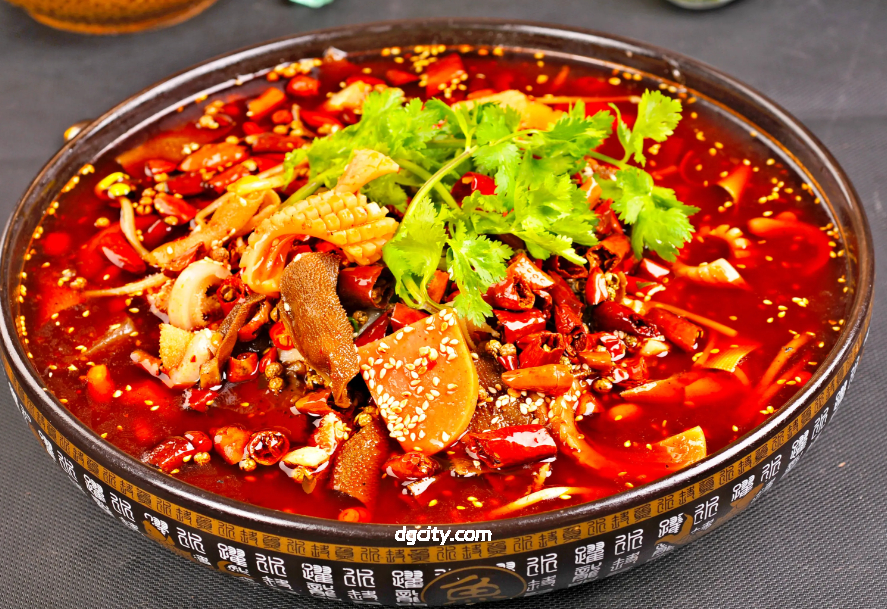
A local butcher surnamed Wang would sell leftover meat scraps at a low price each day. His wife, unwilling to let the ingredients go to waste, simmered duck blood, tripe, and trachea with dried chili peppers, Sichuan peppercorns, and beef tallow, pouring hot oil over the finished dish to serve immediately. This “rustic” cooking method transformed affordable scraps into an extraordinary feast, quickly spreading along the river docks to become a staple for laborers seeking sustenance and satisfaction.
The name “Mao Xue Wang” carries dual meaning: “Mao” refers to the rough processing of ingredients (like untrimmed tripe) and the bold, working-class spirit of the dish; “Xue Wang” is the local dialect term for blood curd. In 1962, Chongqing Cuisine Recipe officially recognized the dish, elevating it from street food to a formal culinary treasure. Today, traditional versions have spawned variations like clear soup and pickled cabbage flavors, and even “premium” editions with abalone and sea cucumber, but the core spicy essence remains unchanged.
2. The Authentic Ingredient Formula: Perfect Balance of Tenderness and Crunch
Authentic Chongqing Mao Xue Wang emphasizes diverse ingredients with distinct textures, with duck blood as the soul, paired with crispy and fresh offal to create a multi-layered eating experience. Below is a classic ingredient list and selection tips:
- Core Main Ingredient: Duck blood is the heart of the dish. Use fresh duck blood, which coagulates into a smooth yet sturdy curd—essential for the signature tender texture. High-quality duck blood has a dark red color, uniform texture, and no air pockets, remaining elastic when cooked.
- Classic Offal Pairings: Tripe, trachea, and intestine are the “trinity” of Chongqing hot pot. Choose thick beef tripe, crisp pork trachea, and curly intestine; blanched briefly, they offer a crunchy texture with natural umami.
- Fresh Additions: Eel slices, luncheon meat, and squid enhance richness. Eel slices are tender and flavorful, luncheon meat adds a hearty taste, and squid provides a chewy bite, deepening the ingredient hierarchy.
- Base Vegetables: Bean sprouts, enoki mushrooms, and lettuce are must-have bases. Bean sprouts add crunch and cut grease, enoki mushrooms soak up broth flavor, and lettuce balances spiciness while adding dietary fiber.
3. Home-Made Mao Xue Wang: Replicate the Street-Style Spicy Aroma
Replicating authentic Mao Xue Wang at home hinges on broth simmering and blanching time. Master these two steps, and you’ll create a vibrant, spicy, and aromatic dish true to Chongqing’s flavors. Here’s a detailed step-by-step guide:
(I) Ingredient Preparation (Serves 3-4)
- Main: 500g fresh duck blood
- Offal: 150g tripe, 150g trachea, 100g intestine, 100g eel slices
- Other: 100g luncheon meat, 200g bean sprouts, 100g enoki mushrooms
- Seasonings: 30g dried chili peppers, 20g dried Sichuan peppercorns (equal parts green and red for aroma and numbingness), 15g ginger slices, 20g garlic slices, 30g broad-bean paste, 50g beef tallow, 30g rapeseed oil, 10g rock sugar, 15ml light soy sauce, 10ml cooking wine, salt to taste
(II) Cooking Steps
- Prep Ingredients: Cut duck blood into 2cm cubes, soak in warm water with a pinch of salt for 10 minutes to remove fishy smells and retain tenderness. Rinse tripe, trachea, and intestine thoroughly; cut tripe into strips, trachea into segments, and intestine into long sections, then marinate with cooking wine for 10 minutes to deodorize. Slice eel fillets, cut luncheon meat into thick slices; wash bean sprouts and enoki mushrooms.
- Simmer the Broth: Heat beef tallow and rapeseed oil in a pan over medium heat. Sauté ginger and garlic slices until fragrant, then add broad-bean paste and stir until red oil forms. Add dried chili peppers and Sichuan peppercorns, stir to release aroma, then add rock sugar and melt. Pour in water (or bone broth), bring to a boil over high heat, then simmer on low for 5 minutes to infuse the broth with spicy, numbing, and aromatic flavors.
- Blanch Ingredients: First, add bean sprouts and enoki mushrooms, cook until tender, then remove and place at the bottom of a large bowl as a base. Next, add luncheon meat and eel slices, cook for 2 minutes until half-done, then add duck blood cubes. Cook for 3 minutes until the blood curd floats and is fully cooked. Finally, add tripe, trachea, and intestine—blanch for 15-20 seconds then turn off the heat to prevent overcooking and loss of crunch.
- Finish with Aroma: Pour all ingredients and broth into the bowl. Sprinkle with extra dried chili peppers, Sichuan peppercorns, and garlic slices. Heat 20g of cooking oil in a pan until smoking, then pour over the seasonings to release a rich, fragrant aroma. Your authentic Chongqing Mao Xue Wang is ready to serve.
4. The Right Way to Eat Mao Xue Wang: Pairings and Scenarios
Eating Mao Xue Wang requires eating hot and pairing with the right drinks to fully savor the flavors. Locals have a signature way to enjoy it:
- Eating Order: Start with duck blood to enjoy its tender texture, then move to crispy tripe, trachea, and intestine, and finish with the base bean sprouts. Mix the broth with rice for an ultimate taste explosion.
- Drink Pairings: Spicy and hot Mao Xue Wang pairs perfectly with iced Weiyi soybean milk, plain water, or sour plum soup—cooling and grease-cutting, a “divine combination” for Chongqing people.
- Scenarios: Mao Xue Wang is a must-have main dish for family gatherings and friend outings in Chongqing. You can find authentic versions in century-old restaurants in Ciqikou Ancient Town or street stalls in Jiefangbei. Today, it has spread nationwide, becoming a top-selling item in Sichuan restaurants with a 68% order rate.
5. The Cultural Essence of Mao Xue Wang: The Bayu Spirit in Spicy Flavors
Mao Xue Wang is more than a dish—it embodies Chongqing’s dock Culture and Bayu spirit. Born from the ingenuity of laborers, it transforms scraps into excellence, reflecting Chongqing people’s practical and bold character. The large serving size stems from the dock workers’ shared eating tradition; the intense spicy, numbing, fresh, and aromatic flavors mirror the city’s passionate and free-spirited lifestyle.
As locals say, “If you don’t eat Mao Xue Wang, you haven’t really been to Chongqing.” The dish carries the city’s memories—from the street-side smoke of the docks to the bustling modern dining scene, the bright red spicy broth remains unchanged. Whether eating on the streets of Chongqing or replicating it at home, this pot of Mao Xue Wang lets you feel the city’s vitality and charm. One bite of spiciness chases away worries, and one pot of red broth cooks up the essence of the river town.






暂无评论内容