




In Chongqing, what is more integrated into daily life than hot pot is a bowl of steaming hot noodles. It does not have the grandeur of hot pot, but hides the most simple fireworks of the Mountain City. It is the first comfort for Chongqing people in the morning, the taste scenery in the streets and alleys, and the “breakfast card” of the city. Known as Chongqing Noodles, with simple ingredients and exquisite seasoning, it has become the core representative of Sichuan-Chongqing snacks. In 2016, it was selected as one of the “Top Ten Cultural Symbols of Chongqing” together with Chongqing hot pot, and was included in the representative items of Chongqing Intangible cultural heritage in 2019, becoming another reason for countless foodies to rush to Chongqing.
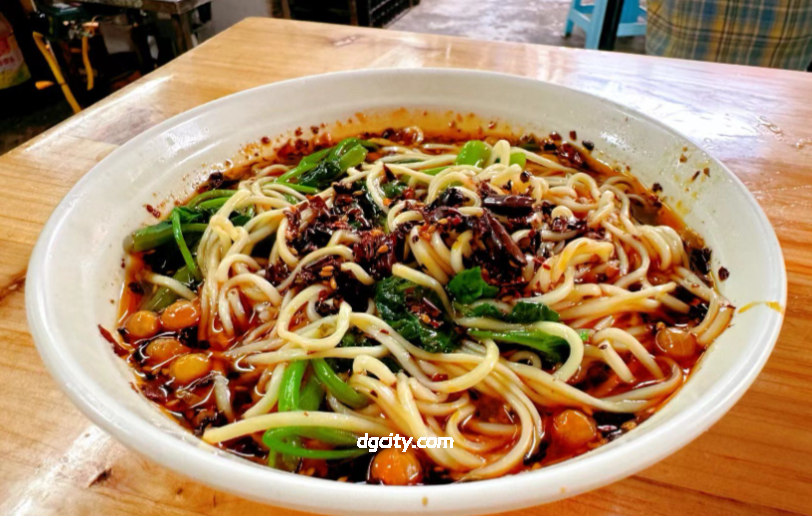
Although the history of Chongqing noodles is not as long as that of hot pot, it is deeply rooted in the urban Culture of Chongqing. Its origin can be traced back to the Republic of China. At that time, Chongqing, as a transportation hub in the upper reaches of the Yangtze River, was lined with docks and filled with merchants. In order to save time and supplement physical strength, grassroots laborers gave birth to this fast, affordable and flavorful food. The original Chongqing noodles were just simple noodles with basic seasonings such as salt, chili and Sichuan peppercorns, without complex toppings, but with a spicy, numbing and fresh taste, they became the first choice of dock workers and merchants. With the development of the times, Chongqing noodles have been constantly iterated, adding rich toppings such as beef, minced pork sauce and pea minced pork, and the seasonings have become more refined. From street stalls, they have gradually developed into chain stores all over the country and even the world, becoming an important carrier of Chongqing’s urban culture. Today, there are more than 20,000 local Chongqing noodle stores in Chongqing, and millions of bowls of noodles are sold every day, becoming an indispensable part of Chongqing people’s lives.
To truly understand Chongqing noodles, the core lies in “seasoning” – for a bowl of good noodles, seasoning accounts for 70% of the success. The seasoning of Chongqing noodles emphasizes the balance of six flavors: spicy, numbing, fresh, fragrant, salty and sweet. The collocation of each seasoning is extremely exquisite and indispensable. The authentic seasoning of Chongqing noodles takes red oil chili as the core. It is made of local Erjingtiao chili and new-generation chili in Chongqing, which are fried and ground. It has a bright red color, spicy but not dry, and a strong aroma. Combined with prickly ash oil made of Hanyuan prickly ash, the numbing aroma is mellow, which blends with the spiciness of chili to form a unique “spicy and numbing coexistence” taste.
In addition to red oil and prickly ash oil, soy sauce, vinegar, salt, monosodium glutamate and chicken essence are the basic seasonings. Soy sauce enhances freshness, vinegar relieves greasiness and increases aroma, and salt and monosodium glutamate control the saltiness. Minced garlic, chopped green onion and coriander add flavor layers. The spiciness of minced garlic neutralizes the freshness of chopped green onion and coriander, making the seasoning taste softer. Preserved vegetables and preserved mustard greens are the “soul supporting roles” of Chongqing noodles. They are crisp and refreshing, which can not only enrich the taste but also relieve greasiness, making the whole bowl of noodles more layered. Finally, pour a spoonful of bone soup or noodle soup to dilute the strong seasoning and make the taste more mild. The seasoning of a bowl of authentic Chongqing noodles needs to be adjusted many times with precise proportions to achieve a spicy, numbing, fresh and fragrant taste with rich layers, which is also the essence of Chongqing noodles.
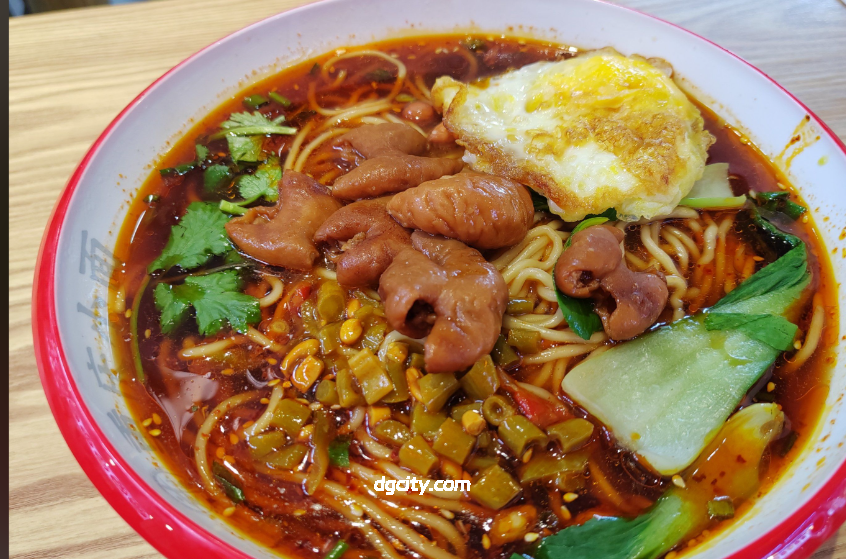
Choosing the right seasoning, the topping determines the upper limit of the flavor of the noodles. There are many types of toppings for Chongqing noodles, and each has loyal fans. The must-try toppings recognized by experienced foodies can unlock different flavors of noodles. Pea and minced pork noodles are definitely the “top stream”. Soft glutinous peas are boiled until they bloom, paired with fragrant glutinous minced pork sauce (minced pork stir-fried with bean paste and soy sauce), spread on the noodles. After mixing well, every strand of noodles is covered with peas and minced pork sauce, which is salty, fragrant and glutinous, moderately spicy and numbing, and loved by both the elderly and young people.
Beef noodles are the first choice for meat lovers. Selected beef shank or beef brisket is stewed for a long time, with tender and flavorful meat, not dry or tough, and rich and mellow soup. Paired with chewy noodles, it absorbs the beef soup, and every bite is full of fresh fragrance. Minced pork noodles are more pure. The stir-fried minced pork is covered with noodles, which is salty and fragrant. Paired with crisp preserved vegetables and preserved mustard greens, the taste is rich, which is one of the most classic flavors of Chongqing noodles. In addition, pork intestine noodles, pork kidney noodles and pickled pepper chicken gizzard noodles are also very popular. Pork intestines are soft, glutinous and Q弹, without fishy smell. Pork kidneys are fresh and tender, and pickled pepper chicken gizzards are sour, spicy and appetizing. Each one can meet the taste needs of different diners.
The choice of noodles also affects the taste of Chongqing noodles. The noodles of Chongqing noodles are mainly alkaline noodles, which are divided into three types: thin noodles, medium-thick noodles and wide noodles. Thin noodles are delicate in taste and easy to absorb flavor. Medium-thick noodles are chewy, and wide noodles are more absorbent, suitable for matching with rich toppings. Most old Chongqing people prefer medium-thick noodles, which are moderately chewy, can absorb the aroma of seasoning, and retain the taste of the noodles themselves. When cooking noodles, it is important to “fish them out when they are just cooked”. Cook until the noodles are soft and hard, not sticky or lumpy. After fishing out, drain the water, pour on the seasoning and toppings, and a bowl of authentic Chongqing noodles is completed.
Many people are easy to fall into the misunderstanding of “only focusing on toppings but not on seasoning” when eating Chongqing noodles. In fact, the soul of Chongqing noodles is seasoning, and toppings are just the finishing touch. Even “plain noodles” without toppings are still delicious as long as the seasoning is in place. When eating noodles, it is recommended to mix them well first, so that every strand of noodles is covered with seasoning, then taste slowly, and feel the layered sense of spicy, numbing and fresh fragrance bursting in the mouth. Pair with a bowl of free noodle soup to relieve spiciness and greasiness. Eating a bite of noodles and a sip of soup is the most authentic way to eat. In addition, the atmosphere of Chongqing noodles is also very important. You don’t need to pursue high-end stores. The old noodle shops in the alleys and the stalls downstairs in residential areas often hide the most authentic taste. With a few spoonfuls of the boss, it is a bowl of mountain city flavor full of fireworks.
Today, Chongqing noodles have long gone out of Chongqing, walked into the whole country, and even exported overseas, becoming an important business card of Sichuan-Chongqing snacks. Whether you are a novice eating Chongqing noodles for the first time or an experienced foodie who checks in repeatedly, as long as you follow this guide, you can unlock the ultimate deliciousness of Chongqing noodles. In a bowl of steaming hot noodles, you can feel the fireworks and riverside spirit of the Mountain City, and understand the taste preference deeply rooted in the bones of Chongqing people.






暂无评论内容