




When it comes to Chongqing, the first thing that comes to mind is the boiling red soup hot pot with rich beef tallow aroma—it is the taste card of the Mountain City, the fireworks deeply rooted in the hearts of Chongqing people, and the reason why countless foodies rush to this city. Also known as Maodu Hot Pot (tripe hot pot) or Mala Hot Pot (spicy and numbing hot pot), Chongqing hot pot, as the core representative of Sichuan-style hot pot, has long surpassed the food itself and become a cultural symbol carrying Chongqing’s riverside spirit and humanistic heritage. In 2016, it was selected as the top of “Chongqing’s Top Ten Cultural Symbols”, listed in the second batch of Chongqing Intangible cultural heritage List in 2009, and included in Chongqing’s Top Ten Classic Dishes in 2018.
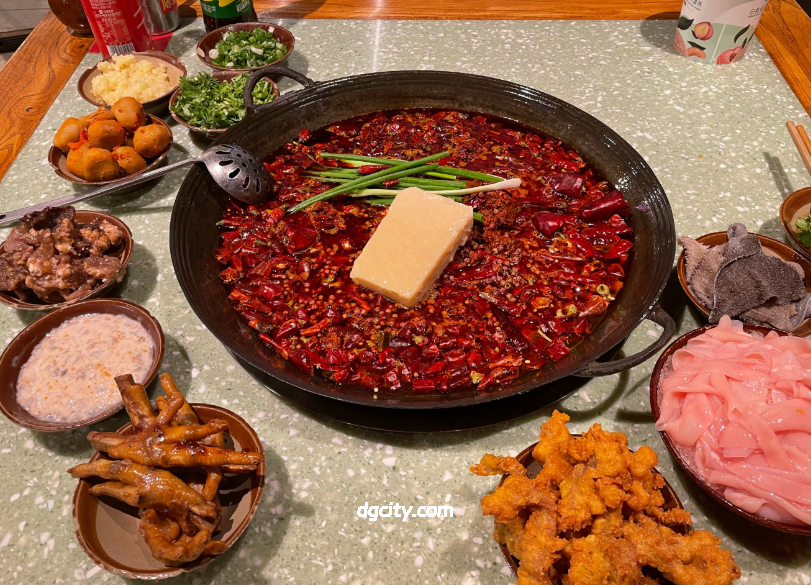
The origin of Chongqing hot pot hides the wisdom and tenacity of the grassroots laborers. Its history can be traced back to the Daoguang period of the Qing Dynasty, and the most widely spread legend originates from the boatmen and trackers in Xiaomi Beach, Luzhou, and the dock workers in Jiangbei, Chongqing. At that time, boatmen and trackers worked along the river all year round, suffering from cold winds and huge physical consumption. They set up earthen pots by the river, boiled soup with spicy ingredients such as chili and Sichuan peppercorns, and then blanched cheap beef offal and vegetables. This way of eating could not only dispel cold and dampness but also satisfy hunger quickly. “Vegetables serve as three parts of food, and chili serves as clothes” was the true portrayal of that time. Later, this simple way of eating was introduced into restaurants, moving from street stalls to formal dining places. After a hundred years of development, it has gradually evolved into a characteristic food popular all over the country and even the world. By 2021, there were more than 30,000 hot pot restaurants in Chongqing, and over 150,000 Chongqing hot pot restaurants in other cities in China, with the total industrial chain output value approaching 60 billion yuan, becoming an important force driving local economic development.
To truly understand Chongqing hot pot, you must first grasp its soul—the soup base. Authentic Chongqing hot pot is centered on beef tallow red soup. Different from the light and fresh clear oil hot pot, the beef tallow soup base has a rich aroma, bright red color, and becomes more flavorful as it boils, spicy but not dry, numbing but not bitter. The preparation of the soup base is extremely exquisite. It uses Pixian chili bean paste, Yongchuan fermented soybeans, Garzê beef tallow, and Hanyuan Sichuan peppercorns as the core raw materials, combined with auxiliary materials such as old ginger, garlic, rock sugar, and glutinous rice wine. It is stir-fried slowly over low heat and boiled over high heat. The proportion of each condiment is repeatedly adjusted to form a unique flavor with a combination of spicy, numbing, fresh and fragrant tastes. In addition to the classic red soup, there are now various options such as clear soup, yuanyang hot pot (a pot divided into two parts: spicy and clear), mushroom hot pot, and medicinal hot pot to meet the taste needs of different diners. However, experienced foodies will always choose a pot of pure beef tallow red soup to experience the most authentic flavor of the Mountain City.
Choosing the right soup base is not enough; you also need to choose the right ingredients. Half of the charm of Chongqing hot pot lies in the soup base, and the other half lies in the ingredients. In the must-try list recognized by experienced foodies, tripe and duck intestines are definitely the “soul ingredients”. The tripe should be thick buffalo tripe with distinct particles on the surface. When blanching, follow the principle of “seven ups and eight downs”—blanch quickly in the red soup for about 15 seconds until the edges curl slightly. The taste is crisp and tender, not dry or tough. The duck intestines should be pinkish white and elastic, also blanched with “seven ups and eight downs”. When you take a bite, it is crisp and tender, and the spicy and fresh flavor bursts in your mouth instantly after absorbing the beef tallow soup.
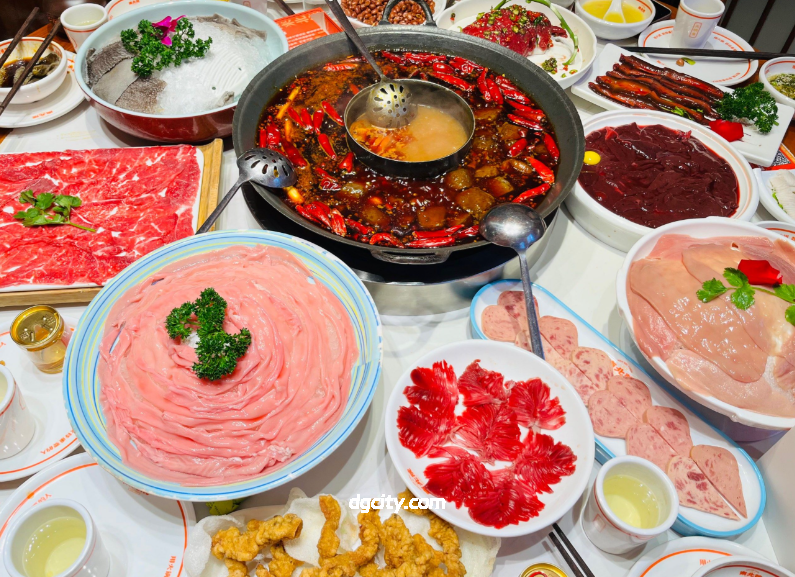
In addition to tripe and duck intestines, yellow throat is also an indispensable delicacy. Pork yellow throat is thin and crisp, while beef yellow throat is thick and firm. After boiling for 3-5 minutes, it makes a crunching sound when bitten, and the more you chew, the more fragrant it becomes. Meat lovers can also choose tender beef, spicy beef, pig brain, and other dishes. The tender beef is marinated with egg white and starch, which is smooth, tender and juicy after boiling. Covered with red oil soup, it is fresh and spicy. The spicy beef is coated with local Chongqing chili noodles, which doubles the spiciness in one bite, suitable for diners who can eat spicy food. Pig brain is a “hardcore ingredient”. Fresh pig brain without blood streaks is boiled in red soup for more than 10 minutes, with a smooth and delicate taste like tender tofu, absorbing the aroma of beef tallow. It is cherished by those who love it and avoided by those who don’t.
For vegetarian dishes, water spinach stem, potato, lotus root slices, and tofu skin are all excellent choices. Water spinach stem is crisp and absorbs flavor well. Potatoes and lotus root slices are cut into thin slices and boiled for 1-2 minutes, covered with red oil, crisp, tender and refreshing. Tofu skin becomes soft after boiling, absorbing the soup, and the bean aroma blends perfectly with the beef tallow aroma.
Many people are easy to “step on pitfalls” with the dipping sauce when eating Chongqing hot pot. The dipping sauce of Chongqing hot pot is simple, focusing on “highlighting the original flavor of the soup base”, which is completely different from the sesame paste sauce in Northern China. The most authentic combination is garlic sesame oil sauce: pure sesame oil + minced garlic + a little salt, and at most a little chopped green onion and coriander. Sesame oil can cool down, relieve spiciness and neutralize greasiness, while minced garlic enhances aroma and taste, perfectly highlighting the fresh and fragrant flavor of the beef tallow soup base. For an advanced eating method, you can try dry sauce, which is a mixture of local Chongqing chili noodles (preferably roasted chili), Sichuan peppercorn powder, salt, and monosodium glutamate. The blanched ingredients are directly dipped in it, which increases the spiciness and makes the aroma more intense. Remember not to add sesame paste, peanut butter, or fermented tofu, as these will cover the original flavor of the soup base and ingredients, which is regarded as an “amateur behavior” by Chongqing people.
There are many hidden skills for eating Chongqing hot pot. Learning these will make you an experienced local foodie in an instant. The order of serving dishes should follow “meat first, then vegetables”. First blanch meat dishes such as tripe, duck intestines, and beef to let the soup base absorb the meat aroma, then blanch vegetarian dishes for a better taste. At the end of the meal, put a handful of alkaline noodles into the red soup, boil for 2 minutes, mix with the beef tallow and spices in the soup base, and it becomes a bowl of authentic hot pot noodles, so delicious that you will lick the bowl. To relieve spiciness, don’t just rely on cold drinks. The free eagle tea provided in hot pot restaurants is the best choice. The tea taste is fresh and refreshing, which can neutralize the greasiness of beef tallow, relieve spiciness better than cold drinks, and will not stimulate the stomach and intestines.
In addition, the atmosphere of Chongqing hot pot is also very important. You don’t need to pursue high-end restaurants. The old hot pot restaurants downstairs in residential areas and the bench hot pot in the alleys often hide the most authentic taste. Sitting around a table with three or five friends, watching the red soup boil and chatting about daily life is the most comfortable fireworks of the Mountain City.
Today, Chongqing hot pot has long gone out of Chongqing and walked into the world. Brands such as Liuyishou, Dezhuang, and Little Swan have opened stores in more than 20 countries and regions, allowing foodies around the world to taste the spicy flavor of the Mountain City. Whether you are a novice eating Chongqing hot pot for the first time or an experienced foodie who checks in repeatedly, as long as you follow this guide, you can unlock the ultimate deliciousness of Chongqing hot pot and feel the enthusiasm and riverside spirit of the Mountain City in the boiling red soup.






暂无评论内容