




At the foot of Fuxou Mountain in Chenghua District, Chengdu, a Panda Avenue connects a “natural paradise for national treasures” — the Chengdu Research Base of Giant Panda Breeding. As a world-famous ex situ conservation base, scientific research and breeding base, popular science education base and cultural tourism base for giant pandas, it covers an area of 3.07 square kilometers, only 10 kilometers away from the city center with convenient transportation. Surrounded by mountains and waters, with the sound of forest waves and birds singing in harmony, it perfectly integrates artificial conservation with natural ecology, becoming an important fortress for protecting giant pandas and a window for global tourists to understand China’s national treasures.
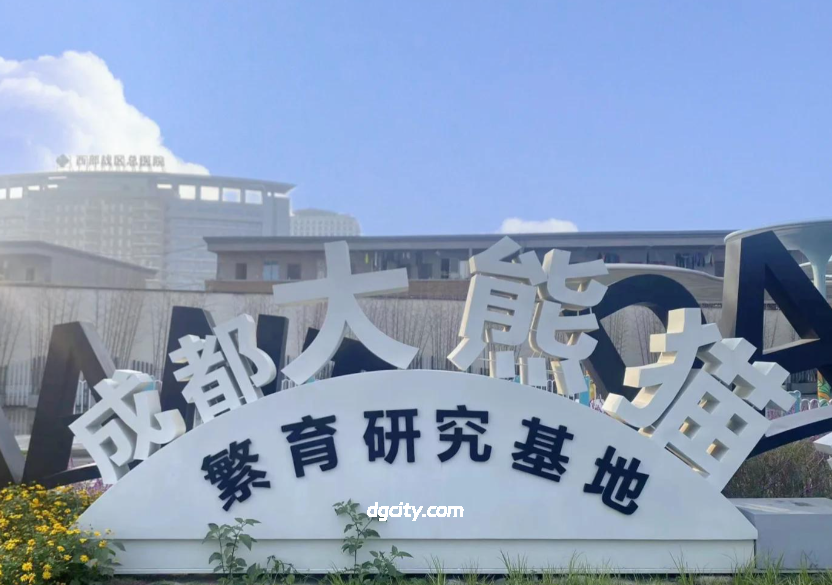
The establishment of the base stems from a warm guardianship journey. In the 1980s, the arrow bamboos in the Qionglai Mountain system bloomed and withered, leaving some giant pandas in danger due to lack of food. They were rescued and concentrated in Chengdu Zoo. On this basis, the Chengdu Municipal People’s Government decided to establish the Chengdu Research Base of Giant Panda Breeding in 1987. Construction broke ground in March of the same year and was officially completed in 1988. Initially, it started with only 6 giant pandas rescued from the wild, embarking on the exploration of ex situ conservation of giant pandas. After more than 30 years of development, the base has grown from a small breeding station into a world-leading giant panda conservation institution. By the end of 2024, the number of captive giant pandas had reached 260, forming the world’s largest ex situ conservation population of artificially bred giant pandas. It also has the world’s largest captive red panda population, writing a miracle of species protection with science and perseverance.
Scientific and technological innovation is the core strength of the base in protecting giant pandas. For more than 30 years, the research team has successively solved key technical problems such as artificial feeding and management, reproduction and cub rearing, disease prevention and control, and population genetic management of captive giant pandas, broken through many technical bottlenecks, obtained 72 scientific research achievements at all levels, published more than 400 papers in well-known international and domestic journals, and obtained 30 national patents. The base is recognized at home and abroad as the ex situ conservation demonstration unit with the strongest scientific and technological strength, the most scientific and technological achievements, and the best application and promotion effect in captive giant panda protection. In 2014, it was awarded the honorary title of “National Advanced Collective of Technical Talents”. To help giant pandas return to nature better, the base also established the Dujiangyan Wild Release Breeding Research Center — “Panda Valley”, covering an area of 2004 mu. With lush bamboo and wood, gurgling streams, and more than 700 species of animals and plants, it has more than 10 giant pandas carrying out wild release adaptation training all year round, building an important bridge for their return to the wild.
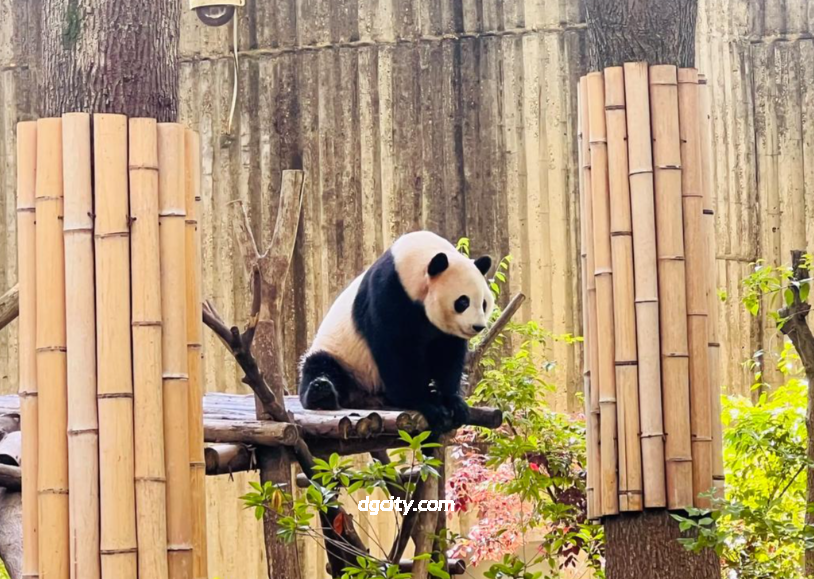
Popular science education is an important mission of the base. In 2000, the base took the lead in setting up a full-time popular science education department in the national wildlife protection system. In 2021, it built and opened the world’s first interactive experience Museum themed on giant pandas. Through scene restoration, immersive visits, multimedia interaction and other methods, it systematically introduces the evolutionary history, ecological habits and protection achievements of giant pandas, allowing the public to understand the living status of rare animals and stimulate environmental protection awareness while visiting and entertaining. In the past ten years, the base has carried out more than 3,000 popular science education activities of various types, and has successively won many honors such as the National Popular Science Education Base, the National Youth Science and Technology Education Base, and the National Ecological Environment Popular Science Base. Its popular science volunteer team also won the title of the Best Volunteer Service Organization in the national “Four 100s” advanced typical publicity and selection activity of learning from Lei Feng volunteer service.
As a national AAAA-level tourist attraction, the base adheres to the principle of equal emphasis on scientific research and tourism, forming a sustainable development model integrating “production, learning, research and tourism”. Following the original topographical features, the Park simulates the wild ecological environment of giant pandas with gardening techniques. Giant panda delivery rooms, feeding areas, scientific research laboratories and panda hospitals are distributed in an orderly manner, and a number of panda “villas” are scattered among the mountains. Giant pandas of different ages live and multiply here, with both the old and the young living in harmony. The expanded park is divided into several areas including the Adventure Valley Area, the Infinite Hill Area and the Treasure Lake Area. Seven characteristic pavilions are connected by sightseeing plank roads. The 69.8-meter-high Panda Tower is shaped like a spring bamboo shoot, and climbing to the top can overlook the whole base, becoming one of the landmark buildings in Chengdu. Swan Lake ripples, inhabited by white swans, black swans and other waterfowl, which set off against the bamboo forests and pandas, forming a picture of harmonious coexistence between man and nature.
From rescuing injured pandas to building the world’s largest captive population, from solving scientific research problems to popularizing protection concepts, the Chengdu Research Base of Giant Panda Breeding has become a benchmark in the cause of giant panda protection with more than 30 years of perseverance. It is not only a home for national treasures, but also a model of harmonious coexistence between humans and nature. Every cute giant panda carries human awe and guardianship of life, attracting global attention and conveying China’s ecological protection concepts.







暂无评论内容