




The charm of Shanghai Blue Calico lies not only in its simple and elegant aesthetics, but also in its complex, exquisite and craftsmanship-oriented production process. The entire process is completed by hand, from pattern carving, paste scraping, dyeing to whitening and drying. Every step cannot be perfunctory; a little carelessness will make all previous efforts wasted. The first step, pattern carving, is the foundation of the craftsmanship. Craftsmen need to carve flowers, birds, poems, auspicious patterns, etc., on tung oil cardboard. The patterns need to be connected with short lines and broken dots. The knife work is steady and neat, and the quality of the knife work directly determines the quality of the pattern plate. A complex pattern plate often takes several days of repeated polishing to complete.
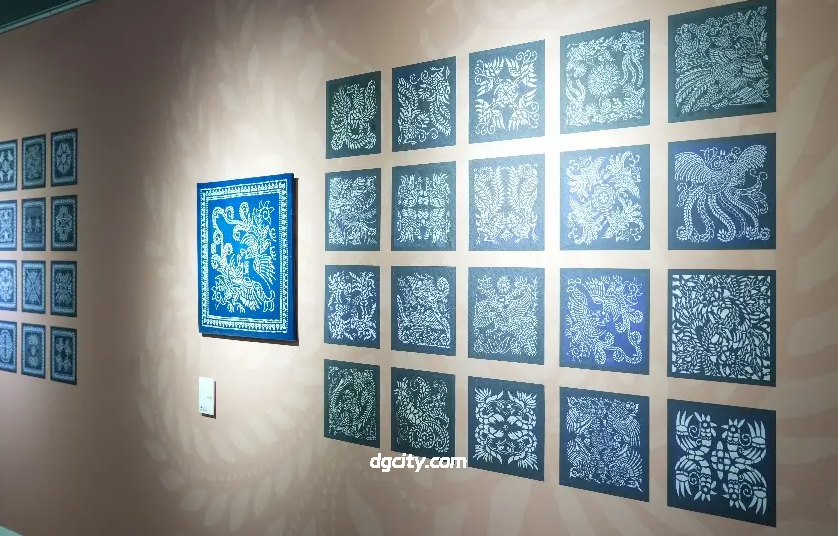
When dyeing, the pasted cloth needs to be soaked in clean water first, then put into the dye vat for about 20 minutes. The color of blue calico cannot be achieved at one time; each additional dyeing will deepen the color a little. It needs repeated dyeing and oxidation to slowly reach the ideal indigo color. This process often needs to be repeated several times, testing the patience and experience of the craftsman. The final step is whitening and drying. Take out the dyed cloth, scrape off the surface resist-dyeing paste, and the part originally covered by the paste will show white patterns, with indigo background and white patterns complementing each other. After natural drying, unique natural ice crack textures will form on the cloth, which is a natural beauty that cannot be replicated by machine printing and dyeing, making each blue calico work a unique existence.
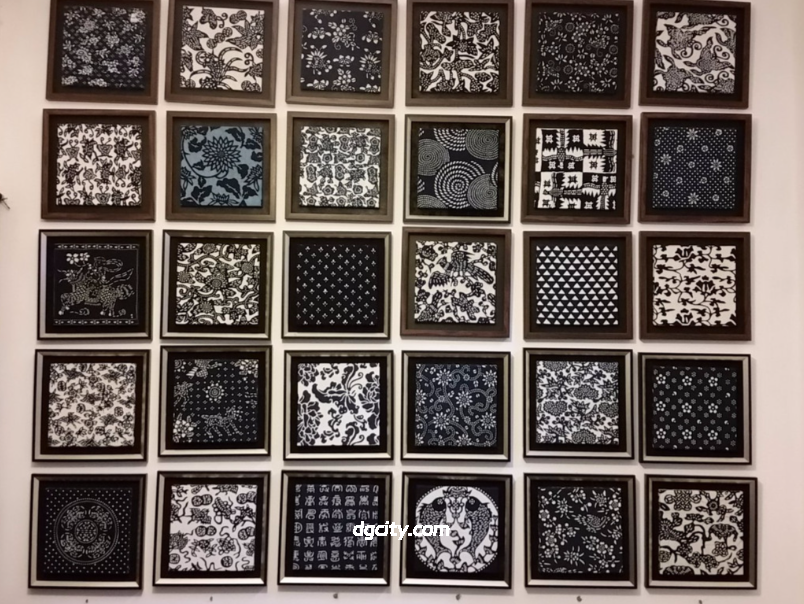
After hundreds of years of vicissitudes, Shanghai Blue Calico once encountered a low ebb in its development. Since modern times, with the rise of the machine printing and dyeing industry, chemical dyes have gradually replaced natural indigo. Due to its long production cycle and low output, hand-made blue calico has been gradually squeezed out of the market by mass-produced printed and dyed cloth. Many old craftsmen have passed away one after another, and the craftsmanship is facing the crisis of being lost. The indigo figure that once spread all over the streets and lanes of Jiangnan has slowly faded out of people’s sight. Fortunately, with the increasing awareness of intangible cultural heritage protection, Shanghai Blue Calico has ushered in an opportunity for rebirth.
At the same time, blue calico has also become an important carrier of Shanghai’s cultural exchanges with foreign countries. It has gone abroad many times and appeared in international exhibitions, showing the charm of Jiangnan intangible cultural heritage to the world, making indigo dye rhythm a shining business card of oriental aesthetics. In addition, major colleges and universities have opened relevant courses, inviting old craftsmen to teach, cultivating intangible cultural heritage inheritors, so that the craftsmanship and Culture of Shanghai Blue Calico can be passed down from generation to generation.



暂无评论内容