




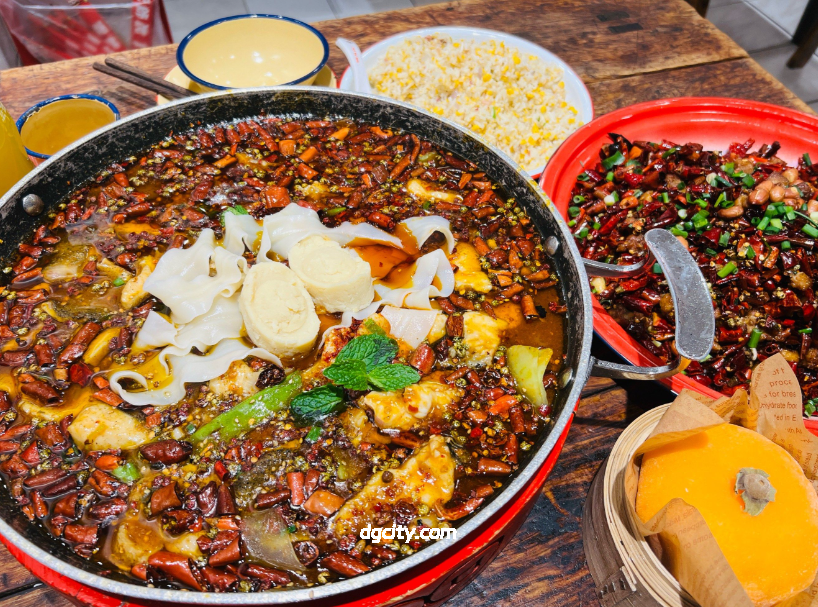
In Bishan, west of Chongqing, there lies a timeless delicacy that carries the legacy of 300 years of ancient post road history and is hailed as the “grandfather of Chongqing’s Jianghu cuisine”—Laifeng Fish. Defined by its core flavors of “numbing, spicy, fresh, aromatic, and tender,” this dish encapsulates the bold and vibrant spirit of Bayu cuisine. In 2016, the “Cooking Techniques of Laifeng Fish” was officially inscribed on Chongqing’s fifth batch of Municipal Intangible cultural heritage List, elevating this street food from a humble post road snack to a precious symbol of Bayu culinary Culture.
1. A Post Road Treasure: From Ancient Stations to Intangible cultural heritage
The story of Laifeng Fish begins on the ancient Chengdu-Chongqing post road during the Ming and Qing dynasties. Laifeng Post Station, one of the “Four Famous Stations” on this route, was a bustling hub where merchants, horse traders, and travelers converged. Travelers, exhausted from their journeys, craved a quick, flavorful, and filling meal, which gave birth to Laifeng Fish.
Its spicy flavor can be traced back to the Song Dynasty, when Scholar Feng Shixing served a “spicy fish” to his guests, planting the seed for Laifeng Fish’s signature heat. However, it was the Deng family during the Kangxi period of the Qing Dynasty who truly refined and popularized the dish. They created the unique “double cooking method”—stir-frying to lock in freshness and simmering to infuse flavor—and established the first fish restaurant at Laifeng Post, marking the official birth of Laifeng Fish. The great migration of “Huguang filling Sichuan” in the late Ming and early Qing dynasties further enriched its flavor, blending tender cooking techniques from the Jiangnan region with the spicy seasonings of Fujian, Hubei, Hunan, and Guangdong cuisines, resulting in a dish that is a harmonious fusion of diverse styles.
In the 1980s, Laifeng Fish experienced its golden age, with over a hundred restaurants specializing in it lining the streets, filling the air with the aroma of sizzling oil and spices. Over centuries, Laifeng Fish has not faded with time; instead, it has become the pioneer of Chongqing’s Jianghu cuisine, profoundly influencing later classics like Spicy Chicken and Youting Crucian Carp. Today, it stands as an intangible cultural heritage, embodying the rich immigrant Culture and post road memories of the region.
2. Intangible Cultural Heritage Techniques: The Art of Heat and Seasoning
Authentic Laifeng Fish is a culinary ritual that demands precision, with its core secrets lying in three key steps: “fresh fish killed on-site, high-heat stir-frying, and first stir-frying then simmering.” Each step reflects the rigor and craftsmanship of the intangible cultural heritage techniques.
Ingredient Selection: Only fresh grass carp or bighead carp local to Bishan is used, valued for their tender flesh and few bones. Authentic recipes strictly prohibit using dead or frozen fish, as only freshly killed fish can deliver the ultimate melt-in-your-mouth texture. The fish’s black membrane and blood must be thoroughly cleaned. Marinate with cooking wine to remove fishy smells, then coat with egg white and starch to lock in moisture, ensuring the flesh remains tender even after cooking.
Flavor Core: The seasoning is the soul of Laifeng Fish. A blend of green and red Sichuan peppercorns, bullet-shaped dried chili peppers, chaotian chili, Pixian broad bean paste, and fresh ginger and garlic forms the base. Green and red Sichuan peppercorns create a rich, layered numbing sensation, while the dried chilies provide both aroma and heat. Slow-frying Pixian broad bean paste in oil extracts a vibrant red oil, the key to the dish’s rich, glossy broth. Authentic Laifeng Fish is defined by its “balanced spiciness and numbing sensation, rich aroma without greasiness,” with flavors that build gradually rather than overwhelming the palate.
Cooking Method: This is where the magic happens. First, heat oil in a wok until it shimmers, then fry the broad bean paste until it releases a rich red oil. Add pounded chili peppers, ginger, and garlic to sauté until fragrant, creating a complex spicy base. Next, add the prepared fish fillets and stir-fry quickly over high heat until they change color. Pour in an appropriate amount of water (traditionally half a catty of water per catty of fish) and simmer gently until the fish is just cooked through. Finally, transfer the fish to a plate lined with lettuce sprouts or bean sprouts, sprinkle with a layer of Sichuan peppercorns, dried chilies, and minced garlic, and drizzle with boiling hot oil. The sizzle as the hot oil hits the seasonings releases an explosive aroma, completing the dish.
The result is a dish where the fish flesh is as tender as tofu, the broth is rich and flavorful, and the numbing-spicy aroma lingers on the palate, creating a truly unforgettable taste experience.
3. Culinary Guide: Where to Find the Best Laifeng Fish in Bishan
To taste the most authentic Laifeng Fish, Bishan District of Chongqing is the destination. It is home to numerous time-honored restaurants that have inherited the intangible cultural heritage techniques, each with its own unique secret recipe.
- Dajianglong Fish Workshop Restaurant: Run by the 11th-generation inheritors of Laifeng Fish craftsmanship, this restaurant is a renowned intangible cultural heritage base in western Chongqing. Their “Ancient Post Road Laifeng Fish” is a celebrated dish, winning titles like “China’s Famous Dish” and “Top Dish of Chongqing’s 360 Local Flavors.” The dish features a glossy red broth garnished with fresh mint leaves, delivering an intense spicy and numbing flavor that perfectly embodies the intangible cultural heritage.
- Laocheng Laifeng Fish: A local favorite with decades of history, this restaurant adheres to traditional craftsmanship. The fish is flavorful, generously portioned, and incredibly affordable, with an average cost of around 50 yuan per person.
- Chuanjiang Restaurant: Established in 1984, this time-honored restaurant is famous for its “Gold Medal Laifeng Fish.” Chefs with over 40 years of experience blend traditional techniques with modern seasoning concepts, creating a taste that is both authentic and refined. It is a popular choice for local banquets.
4. Tasting Experience: The Ultimate Way to Enjoy Laifeng Fish
To fully savor Laifeng Fish, it is best enjoyed in a group of 3-5 people. Order a large plate of authentic Laifeng Fish, paired with local specialties like Bishan Spicy Rabbit and Cold Mixed Crucian Carp, and serve with several bowls of rice. This is the most authentic way to experience the “Jianghu” (rivers and lakes) spirit of Chongqing cuisine.
The tender fish flesh melts in your mouth, with the numbing-spicy aroma exploding on the palate. The broth is the soul of the dish; it is rich, glossy, and perfect for mixing with rice. Each bite is bursting with flavor, making it impossible to stop eating. If you find the spiciness too intense, you can ask the restaurant to adjust the heat level, or balance the flavors with a glass of sour plum soup.
Today, Laifeng Fish has evolved from a post road snack on the Chengdu-Chongqing ancient road to a landmark delicacy with a complete industrial chain. Bishan has built a comprehensive ecosystem covering ecological breeding, catering consumption, craftsmanship training, and cultural tourism experiences, all centered around Laifeng Fish. The annual Laifeng Fish food Festival and Cooking Competition continue to keep this delicacy vibrant and relevant, attracting food lovers from all over the world.
Laifeng Fish is more than just a dish; it is a living history of Bayu’s culinary heritage. For 300 years, it has stood the test of time, proving that the most authentic flavors are always found in the warmth of human life and the dedication of master craftsmen.






暂无评论内容