




The Three Gorges of the Yangtze River is not only a magnificent natural wonder with steep mountains and turbulent rivers, but also a fertile land for the breeding and inheritance of Bayu Culture, giving birth to a precious intangible cultural heritage skill that integrates natural creation and craftsman’s ingenuity — Three Gorges Root Carving. As a municipal-level intangible cultural heritage of Chongqing, Three Gorges Root Carving is different from ordinary root art works. Relying on the unique geographical environment of the Three Gorges and thousand-year-old wood resources, it abides by the core principle of “30% manual carving and 70% natural retention”, turning the thousand-year-old deadwood roots into vivid artworks. It is not only a vivid carrier of Three Gorges regional Culture, but also a bright treasure of Chinese folk handicrafts. After generations of craftsmen’s inheritance, it still exudes a unique artistic charm today.
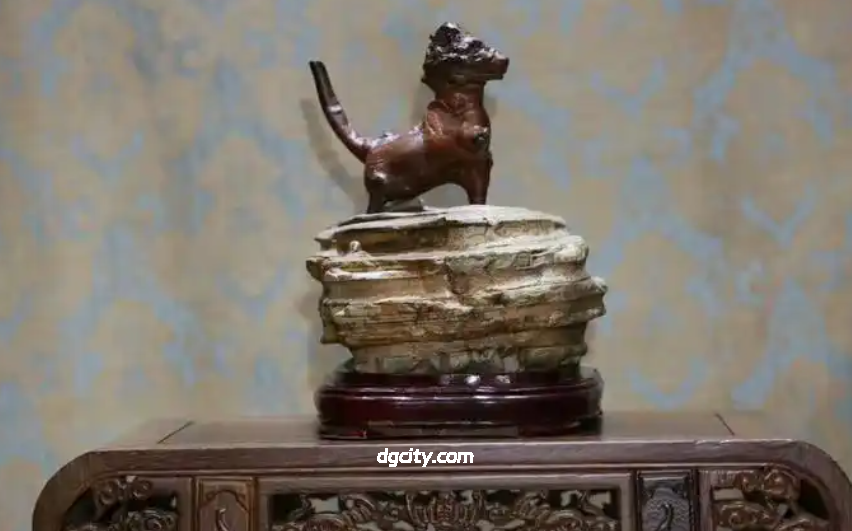
The core advantage of Three Gorges Root Carving firstly comes from its unique raw material resources, which is also the key to distinguishing it from root carvings in other regions. The Three Gorges area has high mountains and deep valleys, with river water scouring all year round. Coupled with geological changes and mountain floods, a large number of ancient trees are deeply buried at the bottom of the river or rooted on cliff walls. After hundreds or even thousands of years of soaking, extrusion and weathering, they form natural root materials with hard texture, peculiar texture and vigorous shape, among which ebony, boxwood, azalea root, camphor root and cliff cypress are the most precious. Especially Three Gorges ebony, known as “Oriental Divine Wood”, is a rare wood formed by carbonization of trees buried in anoxic environment for thousands of years. It has a simple and dignified color, hard as iron, rot-resistant, crack-resistant and fade-resistant, with a warm and thick historical texture, making it the top raw material for Three Gorges Root Carving. During the impoundment of the Three Gorges Reservoir Area in 2003, intangible cultural heritage craftsmen rescued and protected more than 50 boats of rare roots and exotic wood. These root materials washed by the river water are unique, with the vigorous charm of the Three Gorges, laying a natural foundation for Root Carving creation.
In terms of craftsmanship, Three Gorges Root Carving adheres to pure manual inheritance, abandons mechanized mass production, and abides by traditional carving techniques, balancing natural form and manual carving, truly realizing “turning decay into magic”. The core craft follows the process of “first observe the shape, then determine the spirit, carve carefully, and retain the authenticity”. After getting the root material, craftsmen will not carve blindly, but repeatedly observe the natural trend, texture direction and overall shape of the roots. Combined with themes such as Three Gorges landscape, Bayu folk customs, flowers, birds and animals, they finalize the creative conception, and then carry out multiple processes such as peeling, shaping, rough carving, fine carving, polishing and lacquering maintenance in turn. The carving techniques integrate a variety of traditional techniques such as intaglio carving, bas-relief carving, round carving, through-carving and hollow carving, with exquisite details and vigorous rough parts. No nails are used in the whole process, and the traditional tenon-and-mortise structure is used for connection, which not only ensures the stability and durability of the work, but also retains the natural charm of the root material to the greatest extent. Different from deliberately carved crafts, Three Gorges Root Carving pays attention to following the natural trend, retaining the natural knots, holes and textures of the roots. Manual carving only serves as the finishing touch, making each work have both natural wild interest and humanistic ingenuity, which is also its core artistic essence.
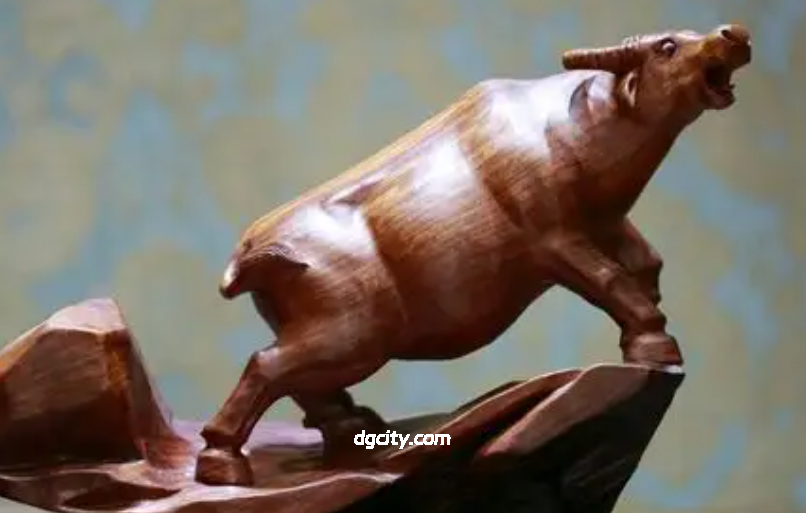
Cultural connotation is the soul of Three Gorges Root Carving, deeply branded with regional characteristics of the Three Gorges and humanistic feelings of Bayu. The creative themes of Three Gorges Root Carving are mostly derived from the landscape, historical allusions, folk customs and natural creatures of the Three Gorges. There are works such as “Bashan Stacked Peaks” and “Xiajiang Fisherman” showing the majestic appearance of the Gorges, “Three Gorges Eagle” and “Divine Dragon Wagging Tail” symbolizing the Three Gorges spirit, figure root carvings depicting Ba people’s life, Qu Yuan Culture and Three Kingdoms allusions, as well as various flower, bird and animal root art works, forming ten classic categories including animal series, landscape series, figure series and stationery series. The works of intangible cultural heritage inheritors alone reach more than 400 pieces, creating a unique “root art zoo”. These works are not only simple crafts, but also a microcosm of Three Gorges culture, carrying the ancient custom of Ba people’s worship of wood, entrusting people’s awe of nature and yearning for a better life, and witnessing the historical changes and humanistic inheritance of the Three Gorges area, making the deadwood not only have “shape”, but also “soul”.
As an intangible cultural heritage skill, the inheritance and development of Three Gorges Root Carving is inseparable from the persistence of generations of craftsmen. The craftsman team represented by Mou Zhisong, a representative inheritor of municipal-level intangible cultural heritage, has devoted themselves to root carving skills through four generations. They not only rescued and protected a large number of rare root materials, but also integrated modern aesthetics and innovated creative themes on the basis of inheriting traditional crafts, making the ancient root art enter the public vision. At the same time, Three Gorges Root Carving has both artistic value, collection value and practical value. High-quality ebony and cliff cypress root carving works have become treasures in the art collection circle due to their non-renewable raw materials, pure manual craftsmanship and uniqueness of works. Small root carving ornaments, stationery and pendants have also become preferred choices for home decoration and cultural gifts with their simple and elegant style. Today, Three Gorges Root Carving has won many awards in domestic arts and crafts competitions, and has gone to the whole country and even overseas through cultural tourism exhibitions and intangible cultural heritage research, becoming an important business card for spreading Three Gorges culture and Bayu culture.
For enthusiasts and collectors, there are three core points to appreciate Three Gorges Root Carving: first, look at the raw materials, give priority to rare root materials such as ebony, cliff cypress and boxwood, and observe whether the texture is natural and the texture is hard; second, look at the craftsmanship, identify whether it is pure manual carving, whether the carving is vivid and retains natural charm, and avoid rigid mechanized mass-produced works; third, look at the verve, high-quality Three Gorges Root Carving has both form and spirit, with both natural wild interest and cultural connotation, reflecting the vigorous charm of the Three Gorges. At the same time, daily maintenance needs to pay attention to moisture and sun protection, regular wiping and maintenance to extend the service life of the work.
From the thousand-year-old deadwood sleeping at the bottom of the river to the art treasure in the hall, Three Gorges Root Carving takes wood as the medium and knife as the pen, integrating natural beauty, craftsman’s heart and cultural charm. It is not only a handicraft skill, but also a living inheritance of Three Gorges regional culture, and an artistic expression of the harmonious coexistence between man and nature. Under the current revival of intangible cultural heritage, Three Gorges Root Carving is attracting more people to understand the cultural heritage of the Three Gorges and feel the endless charm of traditional folk crafts with its unique charm.








暂无评论内容