




This guide explains the four functional zones of Beijing’s 16 districts for foreign tourists, covering the positioning, landmarks, business districts and transportation of core areas, with exclusive routes for a perfect Beijing trip.
Beijing’s 16 administrative districts are not just geographical divisions, but a functional matrix divided into “Core Area of Capital Functions, Urban Function Expansion Area, Urban Development New Area, and Ecological Conservation and Development Area”. Each district has unique tourist charm and experience focuses. For foreign tourists, planning trips by functional zones not only allows efficient visits to core landmarks, but also deeply experiences Beijing’s diverse temperament—from the cultural heritage of the old city to the modern vitality of the new city, from high-tech hubs to ecological secrets, unlocking the whole picture of this city in one stop.
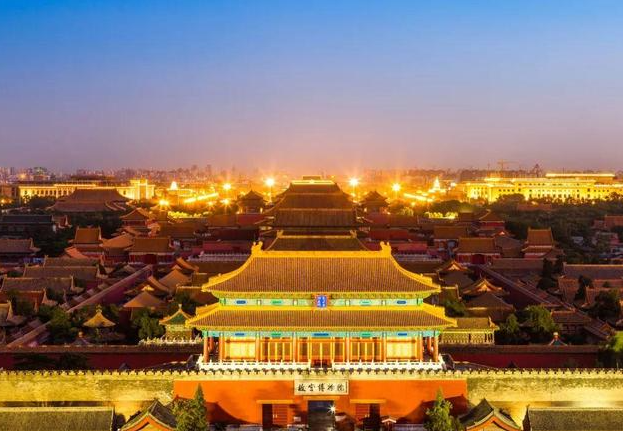
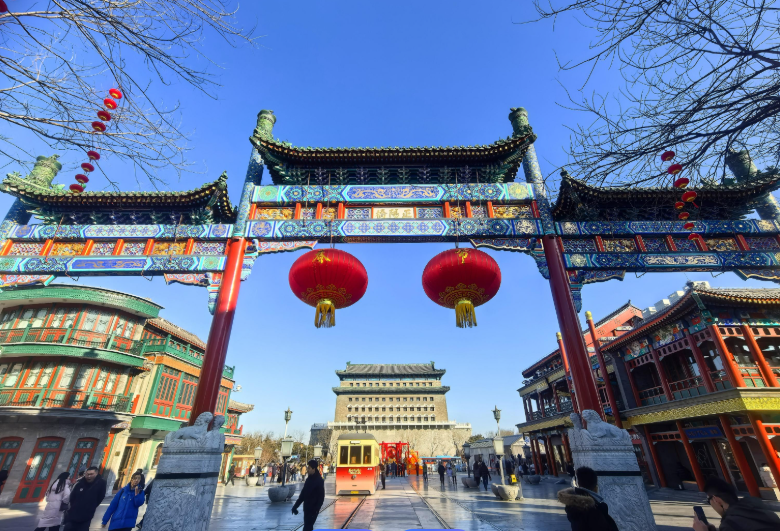
The Core Area of Capital Functions consists of Dongcheng District and Xicheng District, which are the cultural heart and historical epitome of Beijing, and the preferred tourist areas for foreign visitors. Dongcheng District focuses on cultural inheritance, gathering top cultural landmarks such as the Forbidden City, Temple of Heaven, and Imperial College. As the imperial palace of the Ming and Qing dynasties, the Forbidden City is the pinnacle of Chinese architecture. During the visit, you can feel the majesty of imperial etiquette along the central axis, and climb Jingshan Hill to overlook the panoramic view of the palace complex after the tour. In addition, Nanluoguxiang and Shijia Hutong in Dongcheng District are perfect places to experience the daily life of old Beijing. The gray bricks, tile-roofs, characteristic shops and traditional courtyard houses in the hutongs complement each other, and you can also taste authentic snacks such as douzhi (fermented soybean milk) with jiaoquan (fried dough rings) and luzhu huoshao (stewed pork intestines with baked wheat cake). Xicheng District combines cultural and financial attributes, with historical landmarks such as Prince Gong’s Mansion and Beihai Park, as well as Financial Street, the national financial core area. Wandering around Financial Street, you can feel the collision between the traditional ancient capital and modern finance. In the evening, go to Shichahai to enjoy the lake scenery and market style under the setting sun. In terms of transportation, the core area has a dense Subway network. Lines 1, 2, and 4 can directly reach major scenic spots, and public transportation is recommended first.
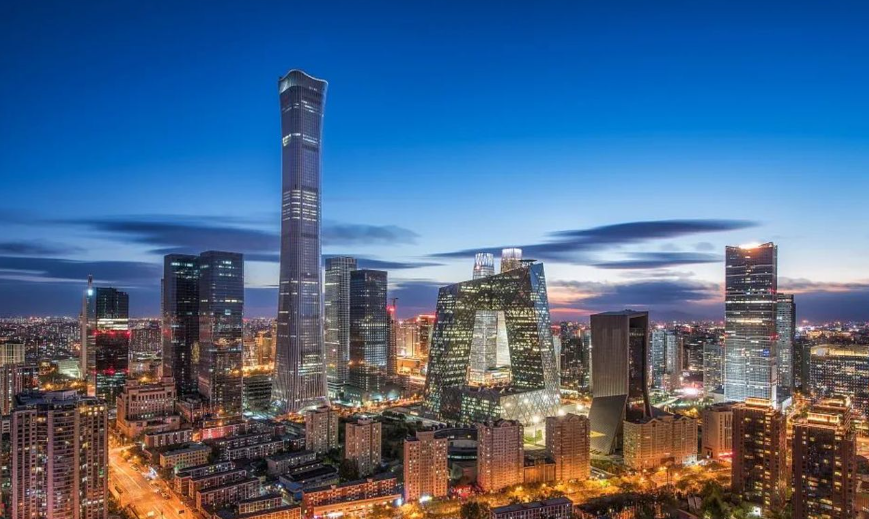
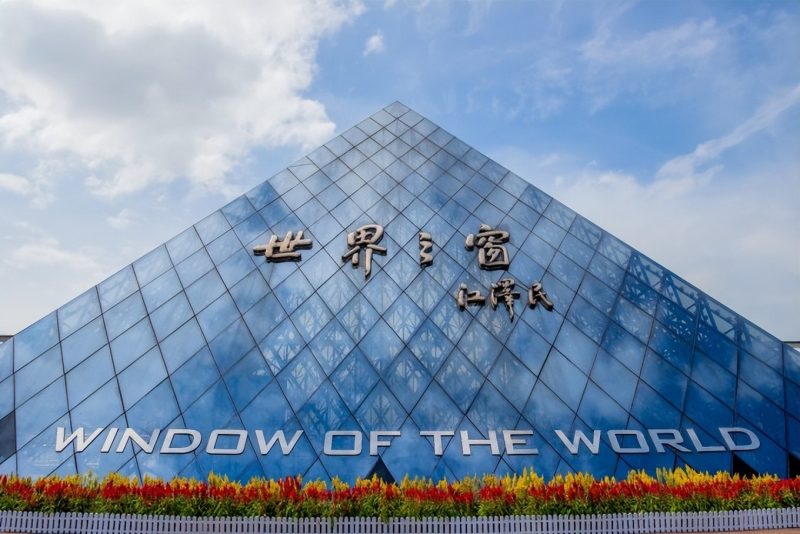
The Urban Function Expansion Area includes Chaoyang District, Haidian District, Fengtai District, and Shijingshan District, which are the concentrated embodiment of Beijing’s modern vitality, suitable for tourists with different interests. Haidian District, as a high-tech hub, not only has top universities such as Tsinghua University and Peking University, but also attractions such as Zhongguancun Science City and Haidian Park. The ancient buildings and modern teaching buildings on campus blend, showing the symbiosis of humanity and technology; in your spare time, you can go to the Summer Palace to feel the tranquility of classical gardens by Kunming Lake. Chaoyang District is Beijing’s international card. The CBD business district gathers many multinational enterprises and skyscrapers. Sanlitun Taikoo Li and SKP-S are popular fashion check-in spots. The diverse food, fashion shops and art exhibitions here allow tourists to feel Beijing’s international atmosphere; in addition, 798 Art Zone, an art space transformed from old factories, has various graffiti, sculptures and avant-garde exhibitions, which are very suitable for art lovers. Fengtai District focuses on leisure and transportation hub functions. Beijing West Railway Station is located here, which is an important gateway to surrounding cities. The Garden Expo Park and World Park in the district can be used as a adjustment in the itinerary to experience the charm of natural landscapes and miniature world landscapes. Shijingshan District is famous for Shougang Industrial Ruins Park, which was once a Winter Olympic venue. The combination of industrial relics and ice and snow facilities shows the transformation vitality of the old industrial base.
The Urban Development New Area includes Tongzhou District, Shunyi District, Changping District, Daxing District, and Fangshan District, which are Beijing’s emerging growth poles and treasure areas for in-depth tours. Tongzhou District, as Beijing’s sub-center, is known as the “Millennium City”. The Grand Canal Forest Park and Ransheng Pagoda here witness the prosperity of canal transportation Culture. Wandering along the canal, you can enjoy the clear water and ancient ruins, and feel the ecology and cultural heritage of the new city; at the same time, Tongzhou has improved infrastructure, suitable for experiencing modern urban life in Beijing. Shunyi District is an aviation hub and high-end leisure resort. Capital Airport is located here. The international convention and exhibition center, golf courses and hot spring resorts in the district are suitable for business tourists or those pursuing high-quality leisure. Changping District has core attractions such as the Ming Tombs and Juyongguan Great Wall, which are the first choices for exploring imperial mausoleums and the magnificent Great Wall. It can be matched with a one-day tour to deeply feel the historical sense of weight. Daxing District is centered on Daxing International Airport, the world’s largest single terminal building, which is a landmark attraction in itself. Its unique “phoenix spreading wings” shape has a strong visual impact. Nanhaizi Park in the district is Beijing’s largest wetland park, where you can watch rare animals such as milu deer up close. Fangshan District focuses on nature and prehistoric civilization. Zhoukoudian Peking Man Site and Shidu Scenic Area are well-known. The former unlocks the history of East Asian ancient humans, while the latter attracts hikers and outdoor enthusiasts with karst landforms and landscapes.
The Ecological Conservation and Development Area consists of Mentougou District, Pinggu District, Huairou District, Miyun District, and Yanqing District, focusing on ecological protection and natural experience, suitable for tourists who want to escape the hustle and bustle of the city and get close to nature. Dongling Mountain in Mentougou District is the highest peak in Beijing, with an altitude of 2303 meters. The mountains are rich in vegetation, with blooming flowers in spring and red leaves all over the mountains in autumn, making it an excellent place for hiking and mountaineering. You can also visit ancient villages along the way to feel the mountain life. Pinggu District is famous for peach blossoms. Every spring, the Pinggu Peach Blossom Festival attracts millions of peach blossoms blooming, forming a pink flower sea. Combined with the orchard picking experience, it is full of pastoral fun. Huairou District combines nature and science and technology. Huairou Science City has many large scientific devices, suitable for tourists interested in technology. At the same time, Yanqi Lake Scenic Area is beautiful with mountains and clear water, which once hosted the APEC meeting. The homestays and characteristic restaurants around allow tourists to immerse themselves in rural life. Miyun Reservoir in Miyun District is Beijing’s “water tank”, surrounded by mountains and clear lakes, suitable for camping, fishing and self-driving. Gubei Water Town in the district integrates the characteristics of Jiangnan water towns and northern Ancient Towns. The night light view and The Great Wall complement each other, creating a strong atmosphere. Yanqing District is a model of integrating ecology and Winter Olympic heritage, gathering attractions such as Badaling Great Wall, Wild Duck Lake Wetland Park, and Shougang Winter Olympic Village. You can not only feel the grandeur of the Great Wall, but also experience the fun of ice and snow sports. Yanqing has a cool climate in summer, making it a summer resort.
The transportation connecting the 16 districts is very convenient. The two airports (Capital Airport and Daxing Airport) reach the world, 7 major railway passenger hubs connect the whole country, the Subway network covers the core areas and major scenic spots, and some suburban districts can be reached by special buses or self-driving. In terms of business districts, Wangfujing and Xidan in the core area, CBD and Sanlitun in Chaoyang District, and Zhongguancun Business District in Haidian District can meet the diverse needs of shopping, catering and entertainment. It is recommended that foreign tourists plan their trips according to their interests: cultural lovers focus on the core area, Changping and Fangshan; fashion and business tourists focus on Chaoyang and Haidian; nature lovers delve into the ecological conservation area, so that each journey can accurately meet their needs and fully experience the diverse charm of Beijing.



暂无评论内容