




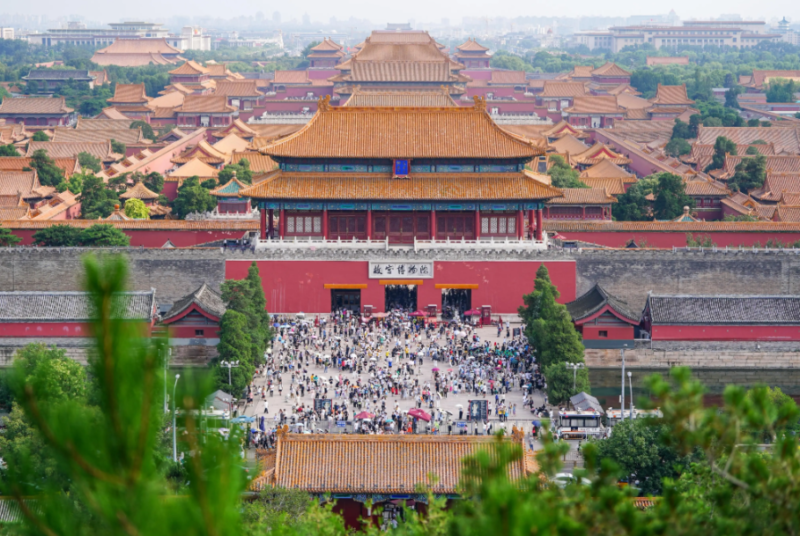
Echoes of the Imperial Era: A Comprehensive Guide to the Palace Museum
The Palace Museum, formerly the Forbidden City, is the imperial palace of Ming and Qing dynasties. This guide explores its grand architecture, precious artifacts, and travel tips f...
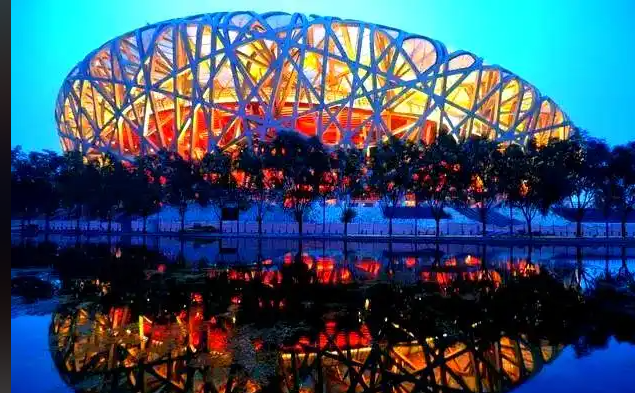
Tradition Meets Trend: The Dual Charm of Beijing’s Cultural Landmarks
This guide connects Beijing's traditional, contemporary art, trendy and industrial transformation landmarks for foreigners, details core spots like Forbidden City and 798 Art Zone,...
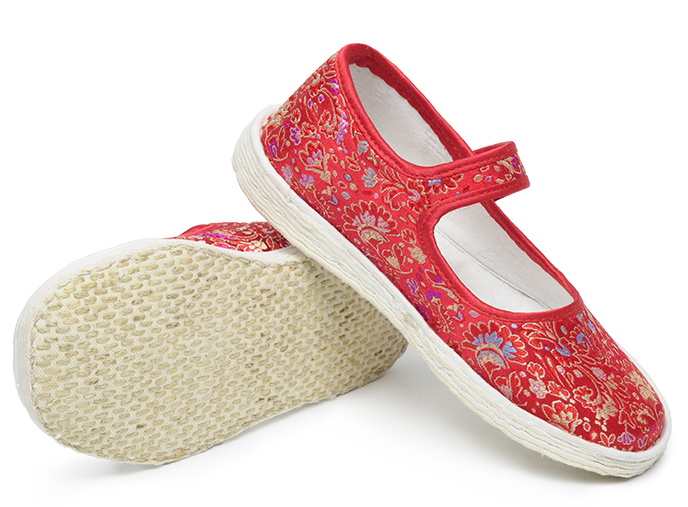
一针一线纳春秋:北京内联升千层底布鞋的非遗匠心与百年传承
本文为外国旅客详解内联升千层底布鞋技艺,涵盖1853年宫廷渊源、30余道核心工序、家族传承故事,推荐大栅栏总店与体验工坊,解锁一针一线中的东方生活美学。
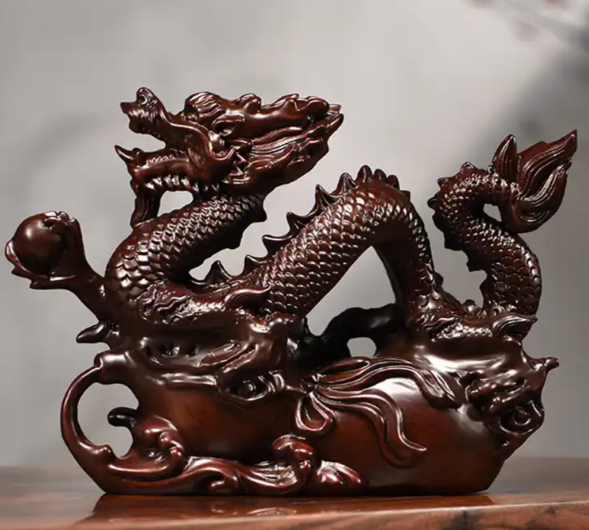
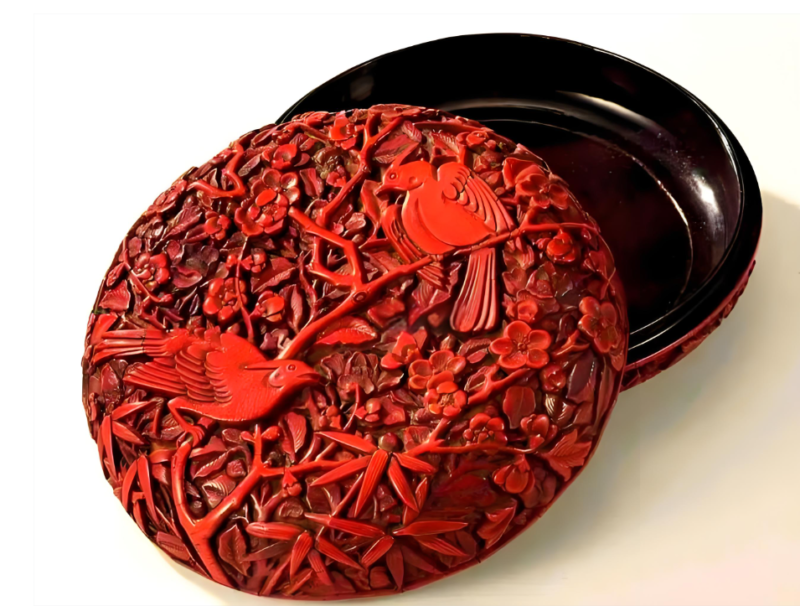
Beijing Red Sandalwood Carving: Intangible Heritage of Imperial Aesthetics
This guide introduces Beijing Red Sandalwood Carving for foreign travelers, covering its Ming-Qing imperial origin, diverse techniques, mortise-tenon joints, and Forbidden City tre...
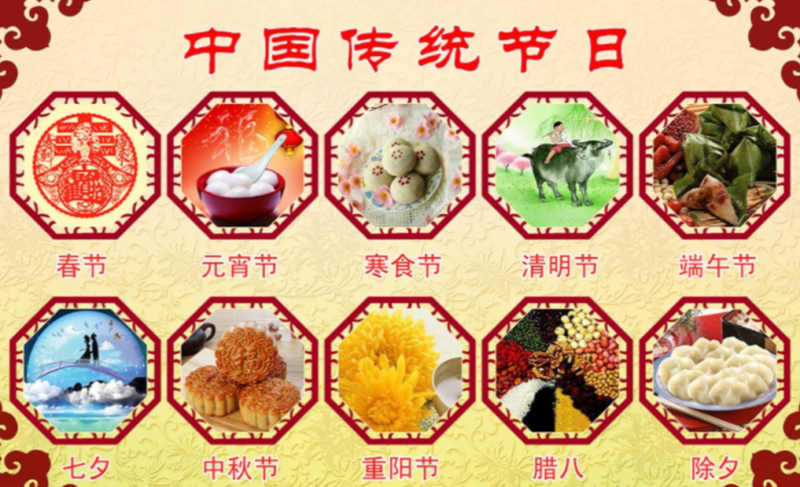
中国传统节日在唐宋时期的鼎盛表现
本文解析中国传统节日根植农耕文明的四大核心起源,梳理其从先秦萌芽、秦汉定型、魏晋融合、唐宋鼎盛、明清固化到近现代创新的完整发展脉络,详细介绍唐宋时期节日在法定假期、全民参与、核心习...
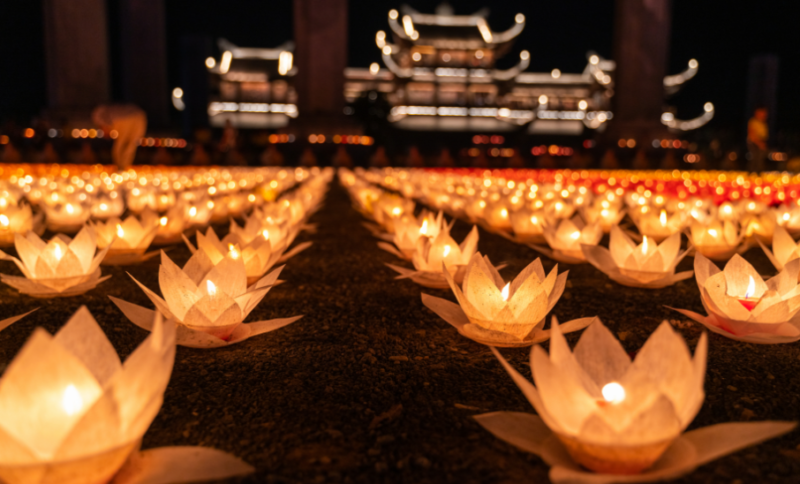
Zhongyuan Festival: Exploring the Cultural Essence of China’s Traditional Ancestor-Worshipping Festival
Zhongyuan Festival, also known as Ullambana Festival or Ghost Festival, falls on the 15th day of the 7th lunar month. This guide explains its origin, customs like floating river la...
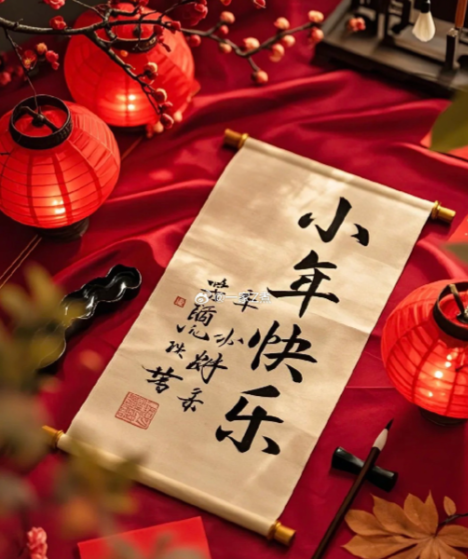
Little New Year: Exploring the Prelude to China’s Spring Festival with Kitchen God Worship and Cleaning
As the prelude to China's Spring Festival, Little New Year falls on the 23rd (north) and 24th (south) of the 12th lunar month. This guide introduces its customs, allusions, and off...
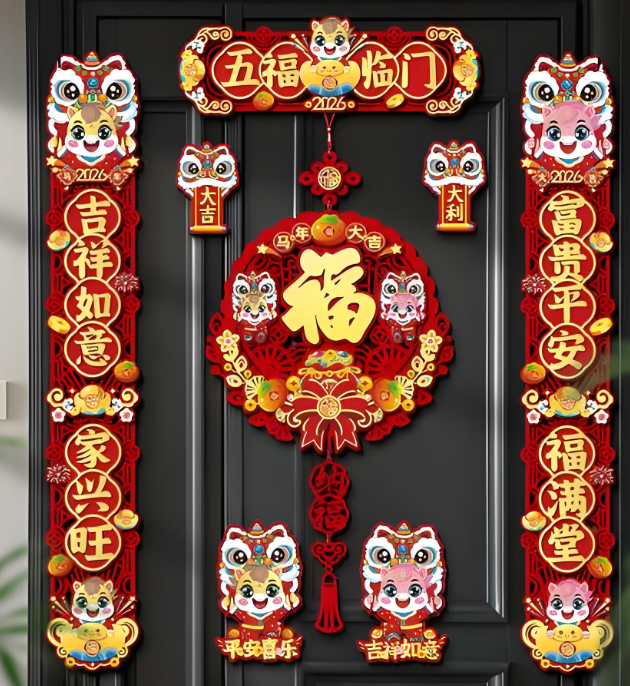
Red Scrolls, New Year Wishes: The Cultural Significance of Spring Festival Couplets in China
Spring Festival couplets are a core Chinese New Year custom, derived from ancient peachwood charms. Written on red paper with ink, they carry blessings for peace, prosperity and jo...