
food 第2页
排序
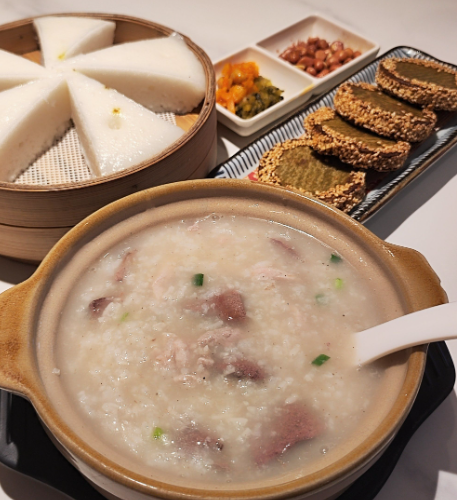
The Cultural Codes and Wisdom Behind Chinese Dietary Habits
Centered on #BecomingChinese, this article deciphers the cultural connotations of Chinese diets. It covers hot porridge, jiaozi, hot pot, stir-fry with wok hei, and using chopstick...
 8天前
8天前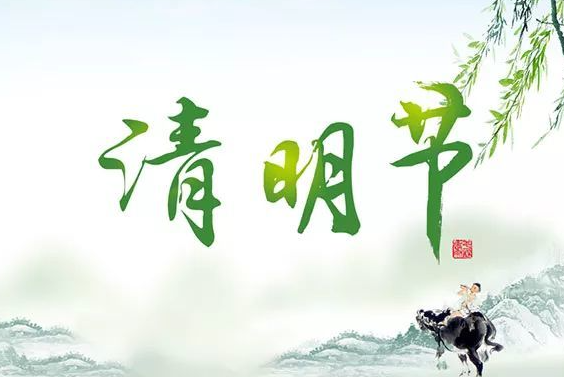
The Origin and Development of Traditional Chinese Festivals
This article explores the four core origins of Traditional Chinese Festivals rooted in agricultural civilization, including natural worship and ancestor sacrifice. It combs their h...
9天前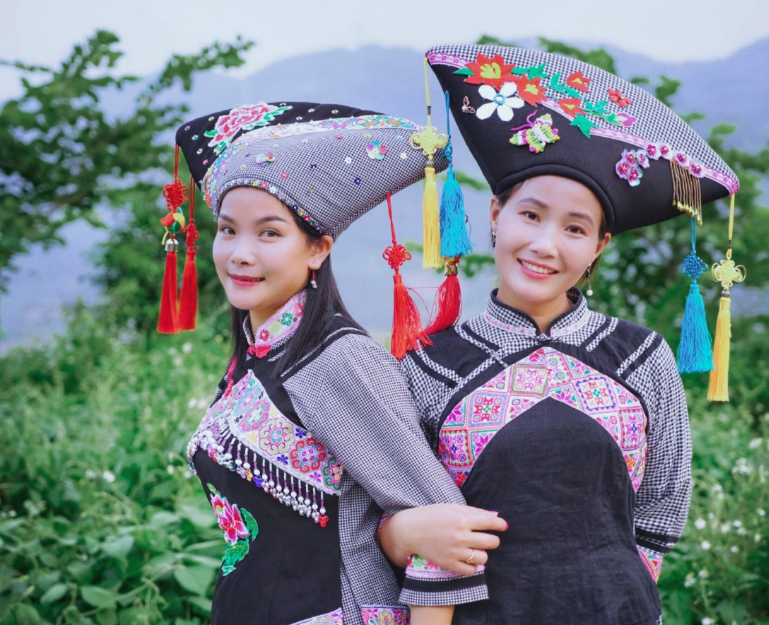
Zhuang Costumes: Millennia-Old Brocade and Phoenix Patterns in Beijing
This guide introduces Zhuang costumes' brocade craftsmanship, pattern meanings and color features for foreigners, including phoenix patterns and pleated skirts. It recommends Beiji...
10天前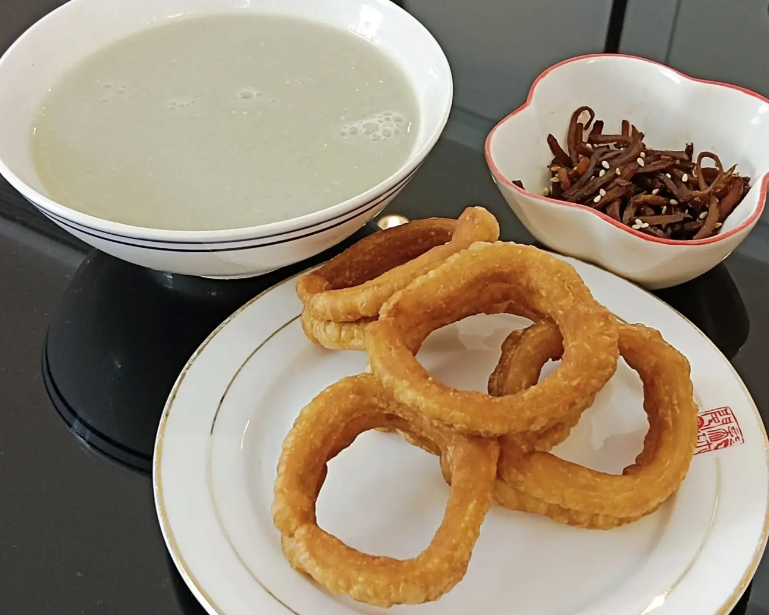
Beijing Douzhi with Jiaoquan Guide: Unlock the Exclusive Taste Code of Old Beijing
Douzhi with Jiaoquan is an iconic old Beijing snack. Douzhi is a fermented mung bean drink with sour and astringent taste, paired with crispy Jiaoquan and preserved vegetable shred...
7天前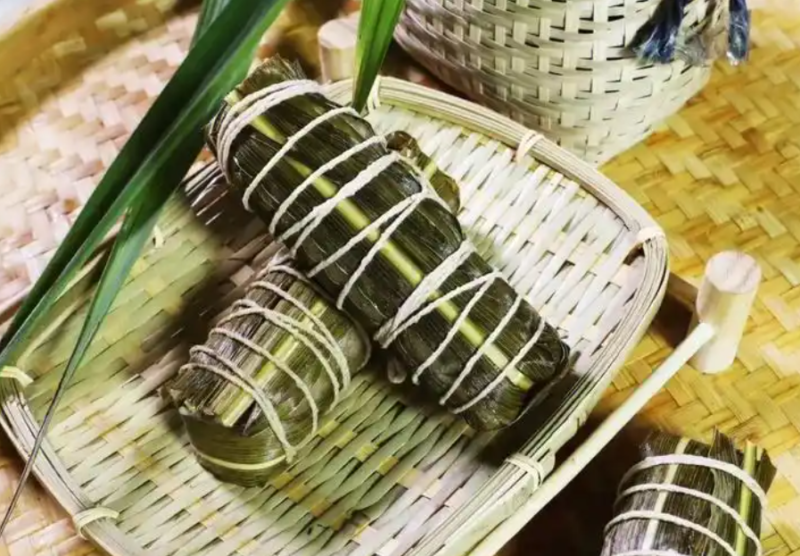
Sea Flavor Hidden in Zongzi: The Fisherman’s Inheritance and Fresh Taste of Shenzhen Nan’ao Sea Urchin Zongzi
Nan'ao Sea Urchin Zongzi is a unique fisherman's Dragon Boat Festival delicacy in Shenzhen, hand-made with fresh purple sea urchin as the core, paired with round glutinous rice and...
15天前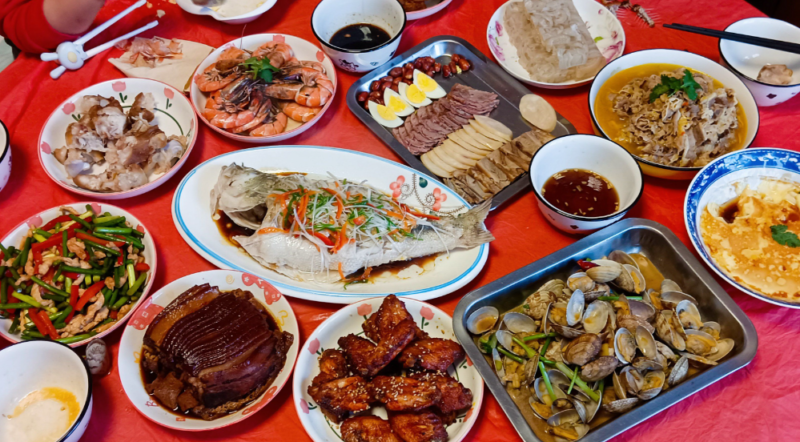
Reunion Dinner: The Cultural Root and Emotional Bond of Chinese Spring Festival
The reunion dinner is a core custom of Chinese Spring Festival. It bears thousands of years of culture and family love, with auspicious dishes, being the emotional sustenance of th...
8天前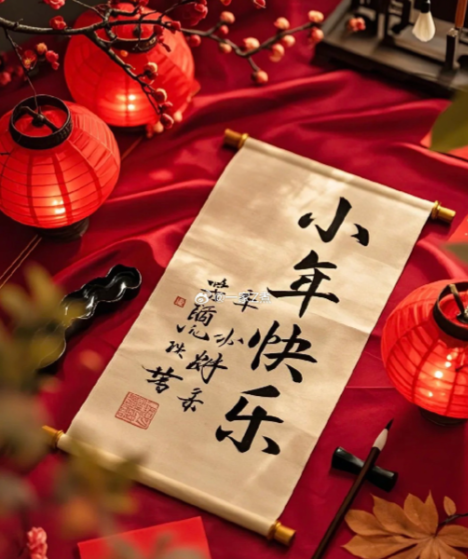
Little New Year: Exploring the Prelude to China’s Spring Festival with Kitchen God Worship and Cleaning
As the prelude to China's Spring Festival, Little New Year falls on the 23rd (north) and 24th (south) of the 12th lunar month. This guide introduces its customs, allusions, and off...
8天前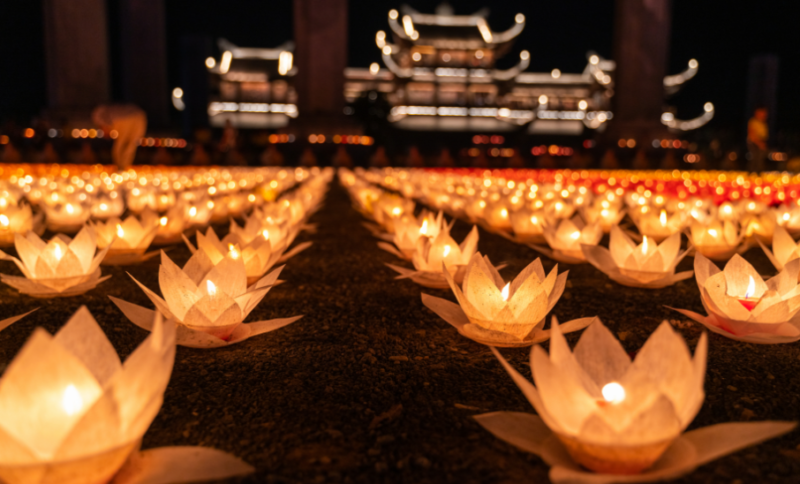
Zhongyuan Festival: Exploring the Cultural Essence of China’s Traditional Ancestor-Worshipping Festival
Zhongyuan Festival, also known as Ullambana Festival or Ghost Festival, falls on the 15th day of the 7th lunar month. This guide explains its origin, customs like floating river la...
8天前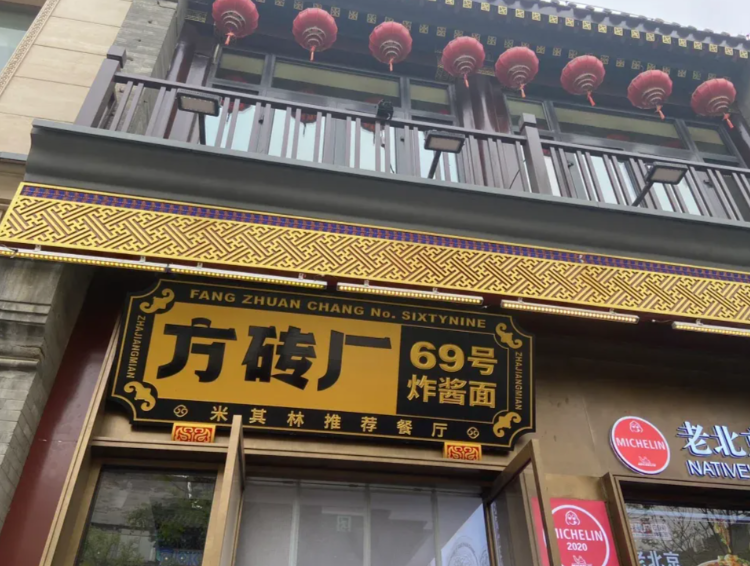
Beijing Fangzhuanchang No.69 Guide: A Michelin-Worthy Zhajiangmian Legend in the Hutongs
Fangzhuanchang No.69 is a 4-year consecutive Michelin-recommended hutong food in Beijing. Founded in 1996, it’s famous for 1.5-hour slow-cooked black pork sauce, served with 13 si...
7天前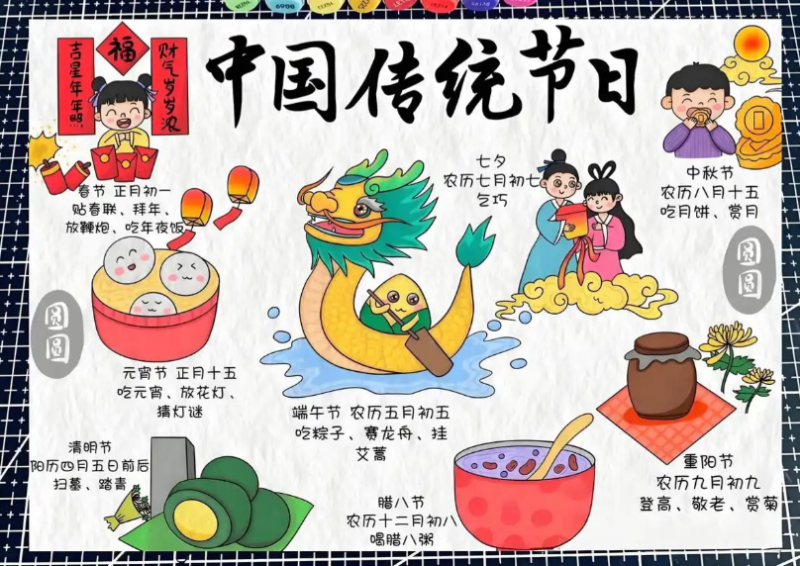
The Prosperous Manifestations of Traditional Chinese Festivals in the Tang and Song Dynasties
This article details the unprecedented prosperity of Traditional Chinese Festivals in the Tang & Song Dynasties, covering statutory holidays, national participation, customs finali...
9天前